
Castles · Scottish Highlands
Dundarg Castle
In or near Pennan.
Dundarg Castle — castle and promontory fort in Aberdeenshire, Scotland, UK.

Wikimedia Commons contributors — see linked file page for photographer and licence licence

Plan your visit
- Typical visit
- 1.5 h–3 h
- Family-friendly
- Limited wheelchair access
About
Dundarg Castle is a castle in the United Kingdom — fortified architecture from the medieval, Tudor, or Victorian-revival period. Heritage designation: scheduled monument. Part of The Nine Castles of Knuckle. Wikidata describes it as: "castle and promontory fort in Aberdeenshire, Scotland, UK". Coordinates: 57.6733°, -2.1780°.
Photo gallery
Heritage listing
Dundarg Castle is a ruined castle about 2 kilometres (1.2 mi) north-northeast of New Aberdour, Aberdeenshire, Scotland, built within the ramparts of an earlier Iron Age promontory fort. It was described by W. Douglas Simpson as one of the nine castles of the Knuckle, referring to the rocky headland of North-East Aberdeenshire, and by Charles McKean as "Scotland's answer to Tintagel". It became a small Celtic monastery for a period.
From Historic Environment Scotland under OGL v3.
From the Wikipedia article
Dundarg Castle is a ruined castle about 2 kilometres (1.2 mi) north-northeast of New Aberdour, Aberdeenshire, Scotland, built within the ramparts of an earlier Iron Age promontory fort. It was described by W. Douglas Simpson as one of the nine castles of the Knuckle, referring to the rocky headland of North-East Aberdeenshire, and by Charles McKean as "Scotland's answer to Tintagel". It became a small Celtic monastery for a period.
Excerpt from Wikipedia under CC BY-SA 4.0. See the source article linked in Sources below.
Background
History
The 10th-century Book of Deer records the existence of a cathair or fortified place at Aberdour. It was built in the 13th century by the Comyn family, but was dismantled, probably by Robert the Bruce, in 1308. It was rebuilt in 1334 by Alice Comyn, Countess of Buchan and her husband Henry de Beaumont, but slighted almost immediately, after a famous siege by Sir Andrew Moray. Many medieval objects providing evidence of this double destruction were found in excavations in 1911-12 and 1950-51, led by W. Douglas Simpson. The only substantial part of the castle remaining is the inner gatehouse, which survives to a height of about 18 ft. The upper part was rebuilt in the middle of the 16th…
Architecture
The site consists of a triangle of gently sloping ground flanked by steep slopes on all sides, linked to a flat-topped elongated promontory extending to the north-east, surrounded by 20 m high sandstone cliffs. Its name comes from the Gaelic dun dearg, meaning red fort or castle, referring to the colour of the sandstone.
Sourced from Wikipedia under CC BY-SA 4.0.
- Coordinates
- 57.6733, -2.1780
- District
- Aberdeenshire
- Postcode
- AB43 6HP
- Parliamentary constituency
- Aberdeenshire North and Moray East
- Official site
- thecastleguide.co.uk
Sources
- wikidata: Q2969168 (CC0)
- wikipedia: Dundarg Castle (CC BY-SA 4.0)
- commons: Dundarg Castle - geograph.org.uk - 8138565.jpg (CC BY-SA 4.0)
Other places nearby

Aberdour Bay
Natural landmarks · 0.8 km

New Aberdour Beach
Beaches · 0.9 km

Jane Whyte Memorial
Memorials & monuments · 1.0 km

Saint Drostan's Church
Historic churches · 1.1 km
St Drostan's
Historic houses · 1.1 km

Aberdour House
Historic houses · 1.7 km

Saint Drostan's Church, Elphin Street, New Aberdour
Historic churches · 1.8 km
New Aberdour War Memorial
Memorials & monuments · 1.8 km
New Aberdour
Castles · 1.9 km

Hanging Stone
Archaeological sites · 2.7 km

Gallows Hill, The Hanging Stone, standing stone
Windmills · 2.7 km
Fram Bow Section
Museums · 3.1 km
Nearby
📷 5Natural landmarks · Scottish Highlands
Aberdour Bay
Aberdour Bay — a natural feature in scotland highlands.
📷 3Beaches · Scottish Highlands
New Aberdour Beach
New Aberdour Beach is a beach in the United Kingdom.
📷 3Memorials & monuments · Scottish Highlands
Jane Whyte Memorial
Jane Whyte Memorial — a memorial in scotland-highlands, United Kingdom.
📷 5Historic churches · Scottish Highlands
Saint Drostan's Church
Saint Drostan's Church — scheduled monument-listed church in scotland-highlands, United Kingdom.
📷 3Historic houses · Scottish Highlands
St Drostan's
St Drostan's — a historic house in scotland-highlands, United Kingdom.
📷 5Historic houses · Scottish Highlands
Aberdour House
Aberdour House — house in Aberdeenshire, Scotland, UK.
Where to eat & stay near Dundarg Castle
Places to stay
 📷 5
📷 5Caravan parks · Scottish Highlands
East Balthangie Caravan Park
East Balthangie Caravan Park — a caravan park in scotland highlands.
 📷 5
📷 5Campsites · Scottish Highlands
Wester Bonnyton Caravan & Camping Site
Wester Bonnyton Caravan & Camping Site — a campsite in scotland highlands.
 📷 5
📷 5Caravan parks · Scottish Highlands
Headiton Holidays
Headiton Holidays — a caravan park in scotland highlands.
 📷 5
📷 5Caravan parks · Scottish Highlands
Myrus Holiday Park
Myrus Holiday Park — a caravan park in scotland highlands.
 📷 5
📷 5Caravan parks · Scottish Highlands
Aden Caravan Park
Aden Caravan Park — a caravan park in scotland highlands.
 📷 5
📷 5Campsites · Scottish Highlands
Banff Links Caravan Park
Banff Links Caravan Park — a campsite in scotland highlands.
Places to eat & drink
 📷 5
📷 5Historic pubs · Scottish Highlands
The Saltoun Inn
The Saltoun Inn in Scotland Highlands, United Kingdom.
 📷 7
📷 7Historic pubs · Scottish Highlands
The Market Arms, 5 High Shore, Banff
The Market Arms, 5 High Shore, Banff in Scotland Highlands, United Kingdom.
 📷 7
📷 7Historic pubs · Scottish Highlands
Railway Inn, 96 North Castle Street, Banff
Railway Inn, 96 North Castle Street, Banff in Scotland Highlands, United Kingdom.
More castles in this region
 📷 3
📷 3Castles · Scottish Highlands
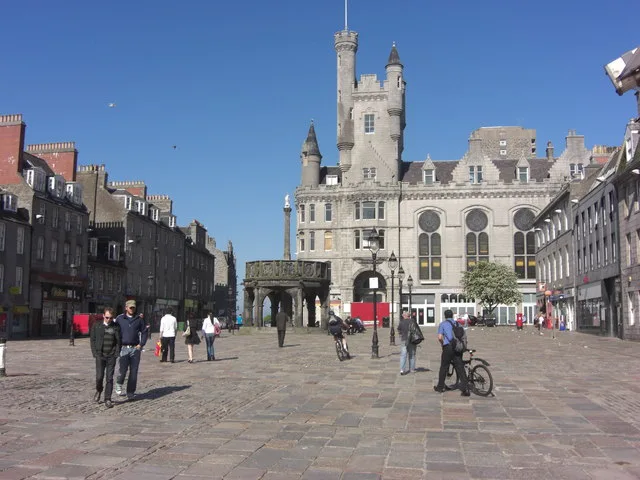
Aberdeen Castle
Aberdeen Castle — castle in Aberdeen City, Scotland, UK.
 📷 3
📷 3Castles · Scottish Highlands
Abergairn Castle
Abergairn Castle — castle in Aberdeenshire, Scotland, UK.
 📷 5
📷 5Castles · Scottish Highlands
Aberscross Castle
Aberscross Castle — castle near Dornoch, Highland, Scotland, UK, ruinous by the 17th century.
 📷 3
📷 3Castles · Scottish Highlands
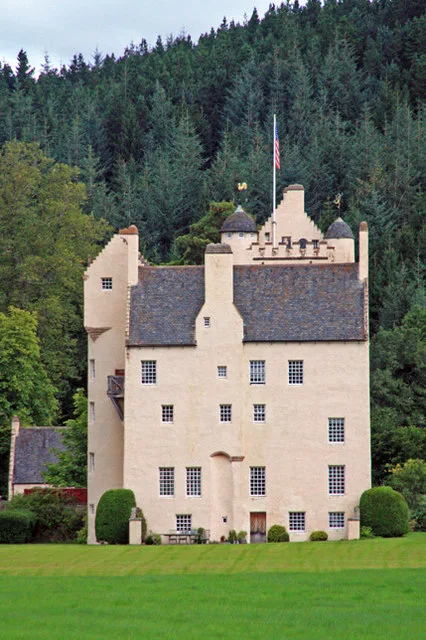
Aboyne Castle
Aboyne Castle — castle in Aberdeenshire, Scotland, UK.
Frequently asked questions
- Where is Dundarg Castle?
- Dundarg Castle is in the Scottish Highlands, United Kingdom (postcode AB43 6HP).
- What is Dundarg Castle?
- Dundarg Castle — castle and promontory fort in Aberdeenshire, Scotland, UK.
- How do I get to Dundarg Castle?
- The nearest town is Pennan. Drivers can use postcode AB43 6HP.
- Who owns Dundarg Castle?
- Dundarg Castle is owned by | open_to_public =.
- Is Dundarg Castle a listed building?
- Dundarg Castle is officially recognised as scheduled monument listed.
- Does Dundarg Castle charge admission?
- Dundarg Castle typically charges admission. Check the official site for current ticket prices and opening hours.
- How do I get to Dundarg Castle?
- Drivers can navigate to postcode AB43 6HP. It sits within the Aberdeenshire North and Moray East parliamentary constituency.