
Abbeys & priories · East Midlands
Dale Abbey
In or near West Hallam.
Dale Abbey — monastery ruins in Derbyshire, England, UK.

Wikimedia Commons contributors — see linked file page for photographer and licence licence

Plan your visit
- Typical visit
- 45 min–1.5 h
- Nearest railway station
- Ilkeston · 5.4 km
- Family-friendly
- Limited wheelchair access
Getting there & planning your visit
To visit Dale Abbey, the nearest railway station is Ilkeston, which is 5.4 km away. The postcode for sat-nav is DE7 4PN. Accessibility is limited for wheelchair users.
About
Dale Abbey is an abbey, priory, or monastic site in the United Kingdom. Heritage designation: scheduled monument. Wikidata describes it as: "monastery ruins in Derbyshire, England, UK". Coordinates: 52.9443°, -1.3504°.
Photo gallery
Heritage listing
Dale Abbey, also known as the Abbey of Stanley Park, was a religious house, close to Ilkeston in Derbyshire. Its ruins are located at the village of Dale Abbey, which is named after it. Its foundation legend portrays it as developing from a hermitage, probably in the early 12th century. After several false starts, it was finally constituted as an abbey in 1204. It was affiliated to the Premonstratensians (also called Norbertines and White Canons), an order of canons regular in which it played, at times, a leading part among English houses. It acquired a large number of small properties, concentrated in areas of the East Midlands, developed a network of granges and appropriated a number of lucrative parish churches.
From the Historic England List Entry under OGL v3.
From the Wikipedia article
Dale Abbey, also known as the Abbey of Stanley Park, was a religious house, close to Ilkeston in Derbyshire. Its ruins are located at the village of Dale Abbey, which is named after it. Its foundation legend portrays it as developing from a hermitage, probably in the early 12th century. After several false starts, it was finally constituted as an abbey in 1204. It was affiliated to the Premonstratensians (also called Norbertines and White Canons), an order of canons regular in which it played, at times, a leading part among English houses. It acquired a large number of small properties, concentrated in areas of the East Midlands, developed a network of granges and appropriated a number of lucrative parish churches. Its discipline and reputation varied considerably, particularly in the 15th century, and it seems to have fallen away from the original austerity. By 1536 its income was well below the threshold set for the Dissolution of Lesser Monasteries. Although there were accusations of grave immorality, the abbey was allowed to pay a fine to continue its existence until 1538.
Excerpt from Wikipedia under CC BY-SA 4.0. See the source article linked in Sources below.
Background
History
From the Premonstratensian point of view, Dale Abbey was founded in 1204 from Newsham Abbey in Lincolnshire. However, the chronicle of the abbey, which dates from the mid-13th century, gives a long and detailed prehistory. The author of the chronicle was Thomas de Muskham: the initial letters of the various sections of the foundation legend make up the name T. H. O. M. A. S. D. E. M. V. S. C. A. Thomas did not trust in the detective work of later generations, but tells the reader explicitly that his name is in the capital letters of the text. Muskham attributes the first part of the foundation legend to Matilda de Salicosa Mara of Lindsey, a local landowner whom he regarded as foundress of…
Description
In the early days valuable acquisitions continued to come from the families of William FitzRalph and Serlo de Grendon. See the family tree below to identify the relationships between these. William de Grendon, described as the advocate of the abbey, contributed land from the Grendon estates at Ockbrook along with his own body and that of his brother Bertram, William was presumably in minor orders, as priestly celibacy was generally accepted by this time. The six shillings in rents he gave alongside his gift of Deepdale came from the six bovates Geoffrey de Salicosa had obtained from John de Wyburville. William's brother, Serlo de Grendon II, initially gave the abbey land, including woods…
Sourced from Wikipedia under CC BY-SA 4.0.
- Coordinates
- 52.9443, -1.3504
- County
- Derbyshire
- District
- Erewash
- Parish
- Dale Abbey
- Postcode
- DE7 4PN
- Parliamentary constituency
- Mid Derbyshire
- Established
- 1204
- Nearest railway station
- Ilkeston — 5.4 km
- Official site
- daleabbey.com
Sources
- wikidata: Q17525621 (CC0)
- wikipedia: Dale Abbey (ruin) (CC BY-SA 4.0)
- commons: Dale Abbey ruins - September 2019.jpg (CC BY-SA 4.0)
Other places nearby

Dale Abbey ruins
Abbeys & priories · 0.0 km
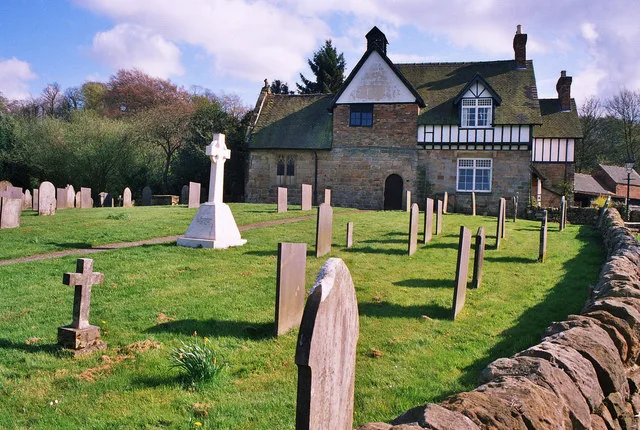
Church of All Saints Vergers Farmhouse
Historic churches · 0.2 km

The Hermitage
Caves · 0.3 km

Cat and Fiddle Windmill
Windmills · 1.0 km
Cat and Fiddle Mill
Windmills · 1.0 km

Dale Hill Natural Burial Ground
Cemeteries · 1.4 km

Stanley and Stanley Common Parish War Memorial
Memorials & monuments · 2.5 km

Stanley
Villages · 2.5 km

John Scargill (1588-1662)
Memorials & monuments · 2.5 km

Saint John Houghton Catholic Voluntary Academy
Historic churches · 2.6 km
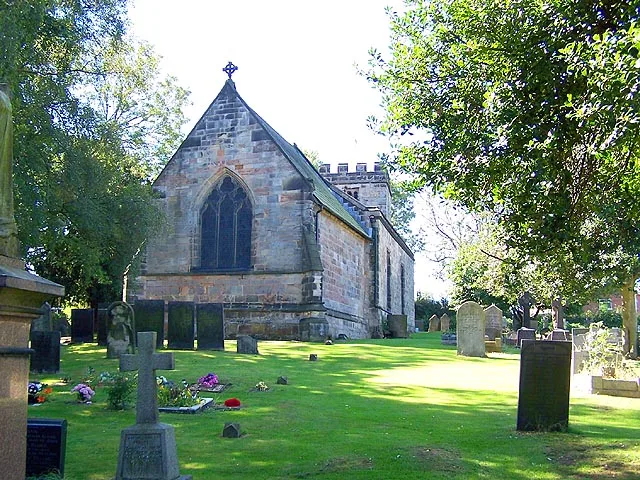
Church of All Saints
Historic churches · 2.8 km

Ha Ha, Walls, Gates, Clock Tower, Sculptures And Terracing At Locko Park
Public art & sculpture · 2.8 km
Nearby
📷 3Abbeys & priories · East Midlands
Dale Abbey ruins
Dale Abbey ruins — a abbey in england-east-midlands, United Kingdom.
📷 3Historic churches · East Midlands
Church of All Saints Vergers Farmhouse
Church of All Saints Vergers Farmhouse — Grade I listed church in Dale Abbey, Derbyshire, England, UK.
📷 5📷 3Windmills · East Midlands
Cat and Fiddle Windmill
Cat and Fiddle Windmill is a windmill in the United Kingdom.
📷 3Windmills · East Midlands
Cat and Fiddle Mill
Cat and Fiddle Mill — a Grade I-listed windmill in england-east-midlands, United Kingdom.
📷 3Cemeteries · East Midlands
Dale Hill Natural Burial Ground
Dale Hill Natural Burial Ground is a cemetery in the United Kingdom.
Where to eat & stay near Dale Abbey
Places to stay
 📷 5
📷 5Campsites · East Midlands
Meadow View Glamping
Meadow View Glamping — a campsite in england east midlands.
 📷 5
📷 5Campsites · East Midlands
Little Stryne Fishing, Caravan, and Camping
Little Stryne Fishing, Caravan, and Camping — a campsite in england east midlands.
 📷 5
📷 5Caravan parks · East Midlands
Beechwood Park
Beechwood Park — a caravan park in england east midlands.
 📷 5
📷 5Hotels · East Midlands
Horsley Lodge Hotel
Horsley Lodge Hotel — a hotel in england east midlands.
 📷 5
📷 5 📷 5
📷 5Places to eat & drink
 📷 5
📷 5 📷 7
📷 7Historic pubs · East Midlands
Brunswick Tavern
Brunswick Tavern in England East Midlands, United Kingdom.
 📷 5
📷 5Historic pubs · East Midlands
Ye Olde Dolphin Inne
Ye Olde Dolphin Inne in England East Midlands, United Kingdom.
 📷 3
📷 3Historic pubs · East Midlands
Jorrocks
Jorrocks — Historic pub — listed building or notable heritage status.
 📷 5
📷 5Historic pubs · East Midlands
Wardwick Tavern Public House
Wardwick Tavern Public House in England East Midlands, United Kingdom.
 📷 7
📷 7Historic pubs · East Midlands
Ye Olde Spa Inn Public House
Ye Olde Spa Inn Public House in England East Midlands, United Kingdom.
More abbeys in this region
 📷 5
📷 5Abbeys & priories · East Midlands
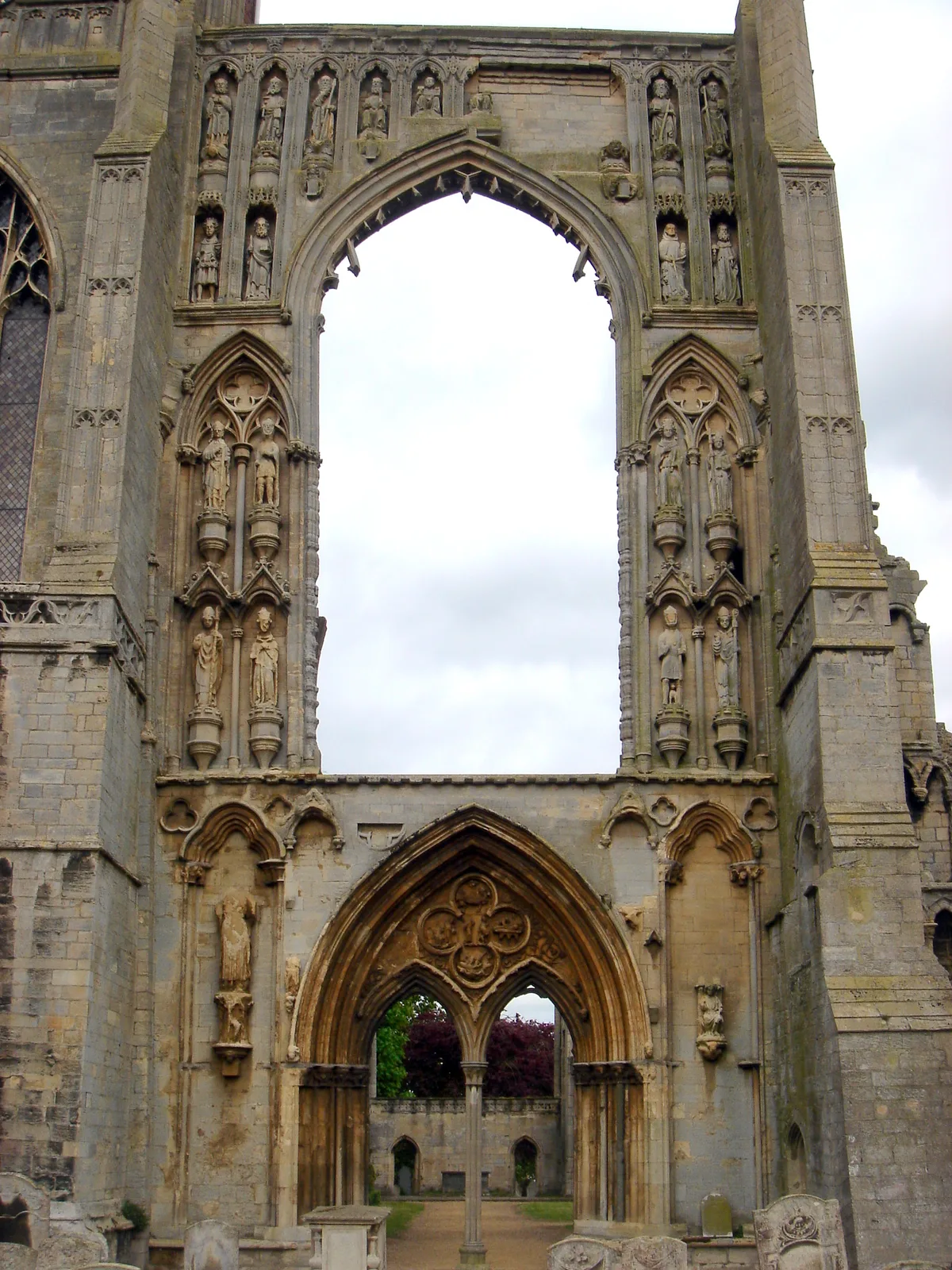
Crowland Abbey
Crowland Abbey — parish church of Church of England in Crowland, Lincolnshire, England, UK.
 📷 5
📷 5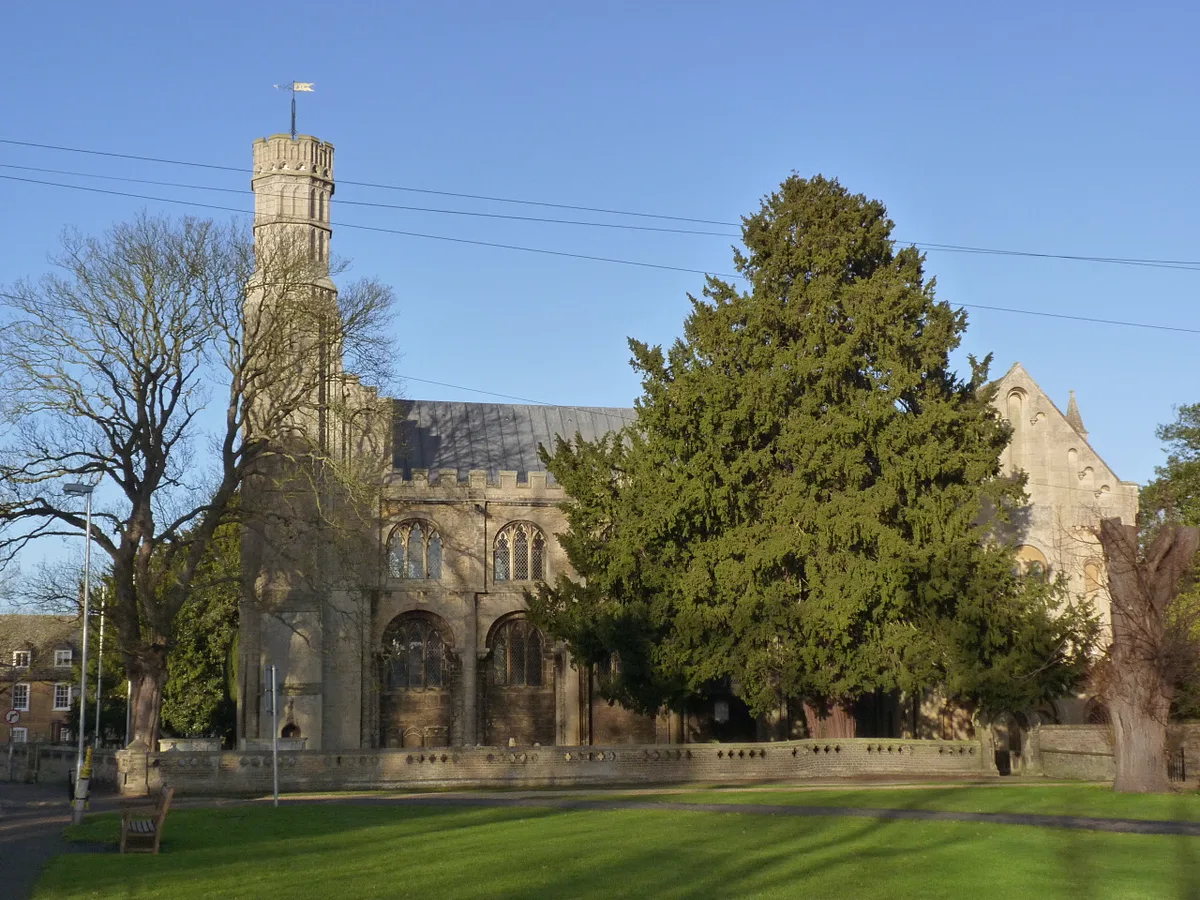 📷 5
📷 5Abbeys & priories · East Midlands
Thorney Abbey
Thorney Abbey — abbey in Thorney, Cambridgeshire, England, UK.
 📷 5
📷 5Abbeys & priories · East Midlands
St Leonard's Priory (remains of)
St Leonard's Priory (remains of) — a abbey in england-london, United Kingdom.
Frequently asked questions
- Where is Dale Abbey?
- Dale Abbey is in Derbyshire, the East Midlands, United Kingdom (postcode DE7 4PN), in the parish of Dale Abbey.
- What is Dale Abbey?
- Dale Abbey — monastery ruins in Derbyshire, England, UK.
- How do I get to Dale Abbey?
- The nearest railway station is Ilkeston, about 5.4 km away. The nearest town is West Hallam. Drivers can use postcode DE7 4PN.
- When was Dale Abbey built?
- Built or established in 1204.
- Is Dale Abbey a listed building?
- Dale Abbey is officially recognised as scheduled monument listed.
- How do I get to Dale Abbey?
- The nearest railway station is Ilkeston, about 5.4 km away. Drivers can navigate to postcode DE7 4PN.