
Memorials & monuments · North East England
Collingwood Monument
In or near South Shields.
Collingwood Monument in England North East, United Kingdom.

Adrian Dust — CC BY-SA 2.0 via Wikimedia Commons licence

Plan your visit
- Typical visit
- 15 min–45 min
- Nearest railway station
- Tynemouth · 0.6 km
- Free entry
- Family-friendly
- Dog-friendly
- Wheelchair accessible
Getting there & planning your visit
To visit the Collingwood Monument, the nearest railway station is Tynemouth, located 0.6 km away. Admission is free, and the site is wheelchair accessible. The postcode for sat-nav is NE30 4DD.
About
Collingwood Monument is a place of interest in England North East, United Kingdom — drawn from open-data sources for visitor reference. See the linked Wikipedia article for the full description.
Photo gallery
Heritage listing
The Collingwood Monument is a Grade II* listed monument in Tynemouth, England, dedicated to Vice Admiral Lord Cuthbert Collingwood. A Napoleonic-era admiral noted for being second-in-command to Admiral Lord Nelson during the Battle of Trafalgar, Collingwood is sometimes referred to as the forgotten hero of Trafalgar. The monument's base is by John Dobson and the statue is a work of the sculptor John Graham Lough.
From the Historic England List Entry under OGL v3.
Official information
The Tynemouth Volunteer Life Brigade Watch House Museum showcases a unique collection of artefacts related to maritime rescue history. Visitors can explore exhibits including early photography, shipwreck items, and a working breeches buoy rescue equipment. The museum also offers stunning panoramic views from the South tower.
Protected designations
- Site of Special Scientific Interest: Northumberland Shore SSSI
- Ramsar wetland: Northumbria Coast
Designations sourced from Natural England open data under OGL v3.
From the Wikipedia article
The Collingwood Monument is a Grade II* listed monument in Tynemouth, England, dedicated to Vice Admiral Lord Cuthbert Collingwood. A Napoleonic-era admiral noted for being second-in-command to Admiral Lord Nelson during the Battle of Trafalgar, Collingwood is sometimes referred to as the forgotten hero of Trafalgar. The monument's base is by John Dobson and the statue is a work of the sculptor John Graham Lough. It is situated just off Front Street in Tynemouth and overlooks the mouth of the River Tyne.
Excerpt from Wikipedia under CC BY-SA 4.0. See the source article linked in Sources below.
Background
History
Lord Collingwood was born in Newcastle upon Tyne, the son of a merchant. He attended the Royal Grammar School and joined the Royal Navy as a volunteer at the age of 12. From there he continued his nautical education under his cousin Captain Richard Brathwaite. After serving in the British Naval Brigade at the Battle of Bunker Hill, Collingwood was commissioned in 1775 as a lieutenant. His first command was HMS Badger, after succeeding Horatio Nelson, and his first major command was HMS Sampson. During the Battle of Trafalgar Collingwood assumed command of the British fleet after the death of Lord Nelson, transferring to HMS Euryalus. Collingwood then led the fleet and completed the battle…
Description
The monument was erected to commemorate Collingwood and his connection to North Shields, and was deliberately positioned so that it could be seen from the Tyne. It was paid for by public subscription. The architect was John Dobson and John Graham Lough was responsible for the sculpture. The monument features a high wide base, with slit openings and a door in the rear. A flight of steps leads to the base of the plinth and side walls flank the steps. Upon the walls are four cannon from HMS Royal Sovereign, Collingwood's flagship during the Battle of Trafalgar. The statue of Collingwood stands upon this plinth, a cloak draped over Collingwood's Royal Navy uniform. The figure's left hand rests…
Sourced from Wikipedia under CC BY-SA 4.0.
- Coordinates
- 55.0148, -1.4201
- District
- North Tyneside
- Parish
- North Tyneside, unparished area
- Postcode
- NE30 4DD
- Parliamentary constituency
- Tynemouth
- Phone
- 07464 327 603
- Nearest railway station
- Tynemouth — 0.6 km
- Opening
- Saturday, Sunday and Bank Holiday 10am–3pm; closed 14th September to March
Sources
- wikidata: Q17534743 (CC0)
- wikipedia: Collingwood Monument (CC BY-SA 4.0)
Other places nearby

Admiral Lord Collingwood Monument
Memorials & monuments · 0.0 km

Watch House Museum
Museums · 0.1 km

The Black Middens
Memorials & monuments · 0.1 km

Life's Adventure
Public art & sculpture · 0.2 km

The Haven
Beaches · 0.2 km

Black Middens
Natural landmarks · 0.3 km

Tynemouth
Abbeys & priories · 0.3 km
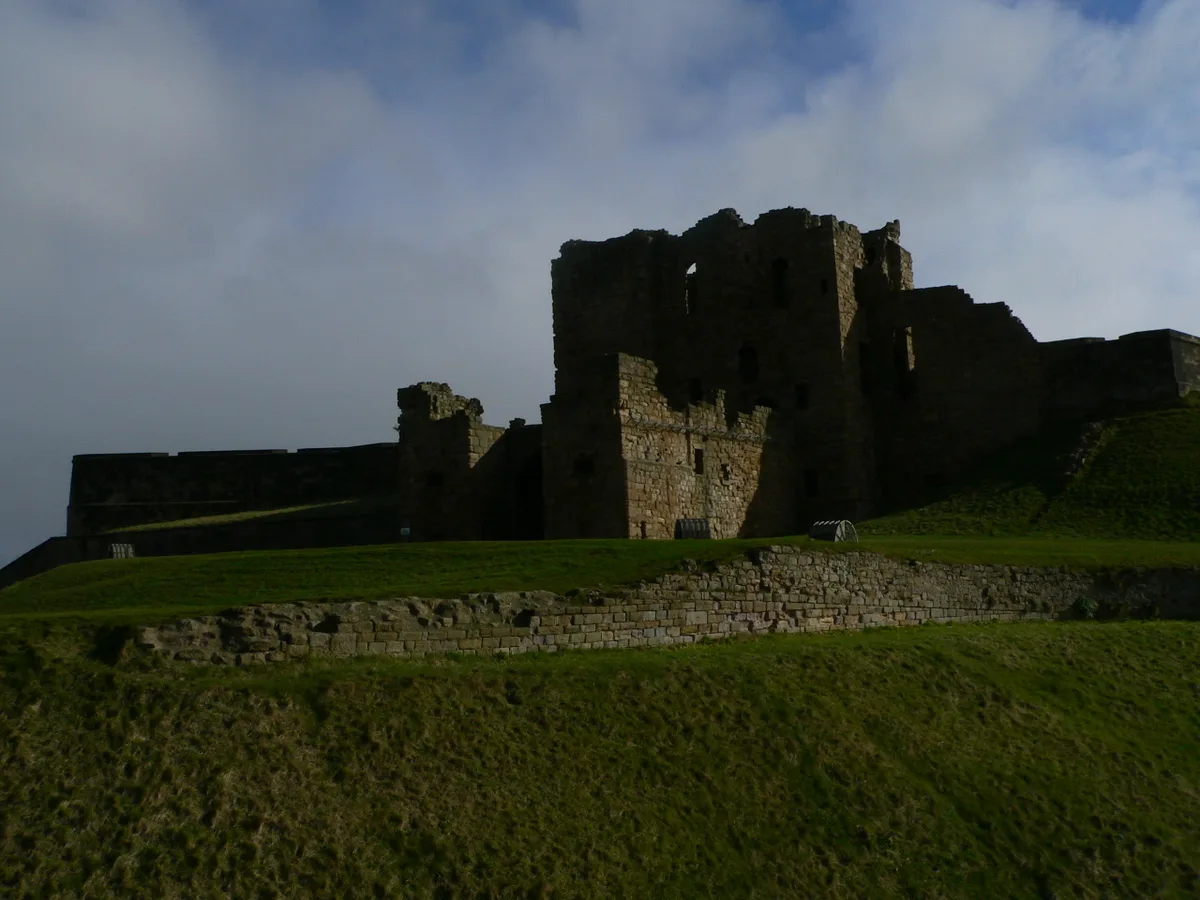
Tynemouth Castle and Priory
Castles · 0.3 km

Our Lady and St Oswin's Church, Tynemouth
Abbeys & priories · 0.3 km

Pen Bal Crag
Memorials & monuments · 0.3 km

Tynemouth Castle
Castles · 0.3 km

Tynemouth Priory
Archaeological sites · 0.4 km
Nearby
📷 3Memorials & monuments · North East England
Admiral Lord Collingwood Monument
Admiral Lord Collingwood Monument is a memorial in the United Kingdom.
📷 3Museums · North East England
Watch House Museum
Watch House Museum — a museum in scotland-lowlands, United Kingdom.
📷 3Memorials & monuments · North East England
The Black Middens
The Black Middens — a memorial in scotland-lowlands, United Kingdom.
📷 3Public art & sculpture · North East England
Life's Adventure
Life's Adventure — a public art in scotland-lowlands, United Kingdom.
📷 3📷 4Natural landmarks · North East England
Black Middens
Black Middens in England North East, United Kingdom.
Where to eat & stay near Collingwood Monument
Places to stay
 📷 5
📷 5Hotels · North East England
The Grand Hotel
The Grand Hotel — a hotel in scotland lowlands.
 📷 5
📷 5B&Bs · North East England
Forest Guest House
Forest Guest House — a bed-and-breakfast in scotland lowlands.
📷 5B&Bs · North East England
The Clifton
The Clifton — a bed-and-breakfast in scotland lowlands.
 📷 5
📷 5Caravan parks · North East England
Sandhaven Caravan Site
Sandhaven Caravan Site — a caravan park in scotland lowlands.
 📷 5
📷 5B&Bs · North East England
York House Hotel
York House Hotel — a bed-and-breakfast in scotland lowlands.
 📷 5
📷 5Caravan parks · North East England
Lizard Lane Caravan Park
Lizard Lane Caravan Park — a caravan park in scotland lowlands.
Places to eat & drink
 📷 5
📷 5Historic pubs · North East England
The Kirkpatrick
The Kirkpatrick in England North East, United Kingdom.
 📷 5
📷 5Historic pubs · North East England
The Scotia Public House
The Scotia Public House in England North East, United Kingdom.
 📷 5
📷 5Cafés · North East England
Caffè Nero
Caffè Nero — a café in scotland lowlands. Cuisine: coffee shop. Brand: Caffè Nero.
 📷 5
📷 5Historic pubs · North East England
Marsden Grotto
Marsden Grotto in England North East, United Kingdom.
 📷 5
📷 5Historic pubs · North East England
The Albert Public House
The Albert Public House in England North East, United Kingdom.
 📷 3
📷 3Historic pubs · North East England
The Kings Arms
The Kings Arms — Historic pub — listed building or notable heritage status.
Other works by John Dobson
 📷 3
📷 3Historic churches · North West England
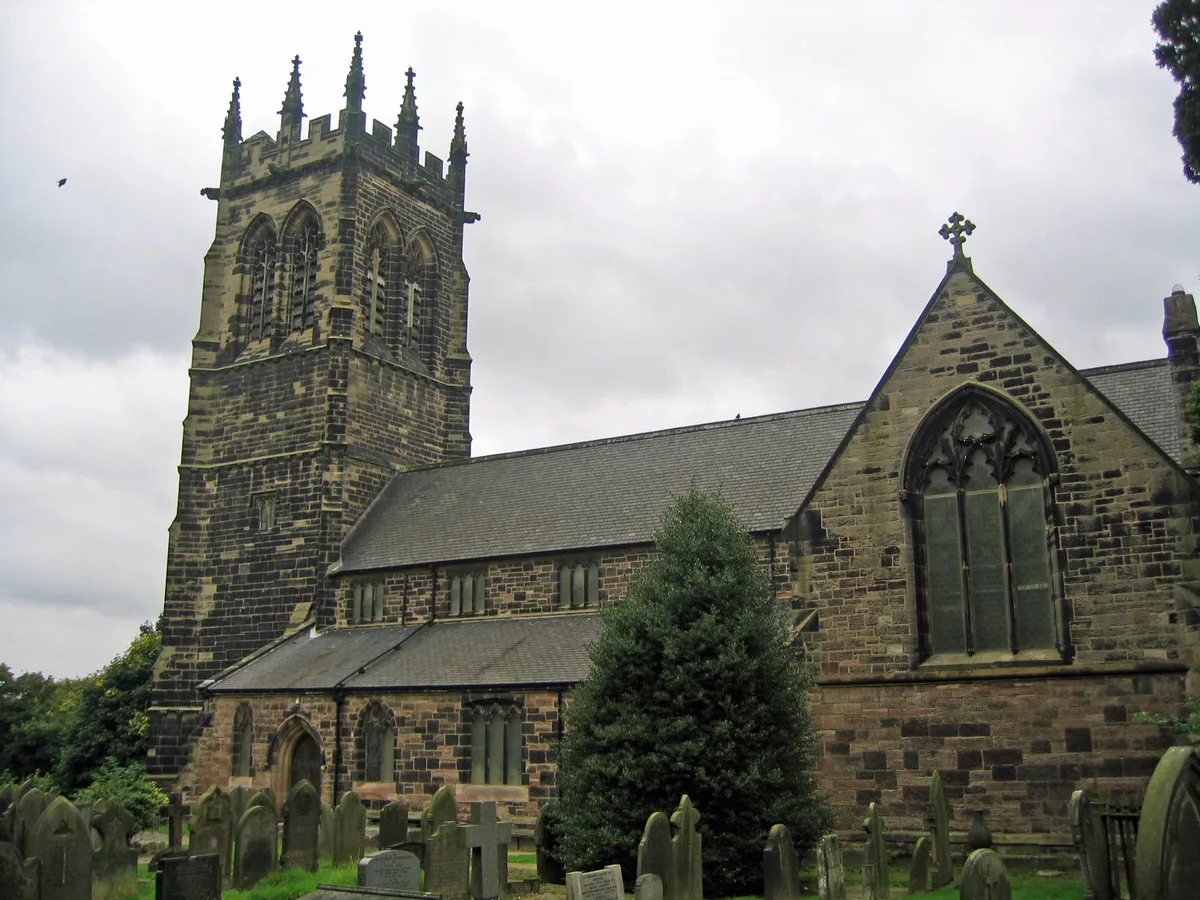
St Mary's Church, Lymm
St Mary's Church, Lymm — grade II listed church in Lymm, Cheshire, England, UK.
 📷 4
📷 4Memorials & monuments · North East England
Eldon Square
Eldon Square in England North East, United Kingdom.
 📷 2
📷 2Historic houses · North East England
Tynemouth Town Hall
Tynemouth Town Hall in England North East, United Kingdom.
 📷 4
📷 4Historic houses · North East England
Jesmond Dene House
Jesmond Dene House in England North East, United Kingdom.
More memorials in this region
 📷 3
📷 3Memorials & monuments · North East England
Hurworth and Neasham War Memorial
Hurworth and Neasham War Memorial — Grade II listed building-listed memorial in england-yorkshire, United Kingdom.
 📷 3
📷 3Memorials & monuments · North East England
Fryingpan Stone
Fryingpan Stone — a memorial in england-yorkshire, United Kingdom.
 📷 3
📷 3Memorials & monuments · North East England
Yoak Stone
Yoak Stone — a memorial in england-yorkshire, United Kingdom.
 📷 3
📷 3Memorials & monuments · North East England
Pump Cottage 1680
Pump Cottage 1680 — a memorial in england-yorkshire, United Kingdom.
Frequently asked questions
- Where is Collingwood Monument?
- Collingwood Monument is in North-East England, United Kingdom (postcode NE30 4DD), in the parish of North Tyneside, unparished area.
- What is Collingwood Monument?
- Collingwood Monument in England North East, United Kingdom.
- How do I get to Collingwood Monument?
- The nearest railway station is Tynemouth, about 0.6 km away. The nearest town is South Shields. Drivers can use postcode NE30 4DD.
- Is Collingwood Monument a listed building?
- Collingwood Monument is officially recognised as Grade II* listed building listed.
- Is Collingwood Monument a protected site?
- Yes — Collingwood Monument is part of the Northumberland Shore SSSI Site of Special Scientific Interest and the Northumbria Coast Ramsar wetland.
- Is Collingwood Monument free to visit?
- Yes, Collingwood Monument is free to enter.
- How do I get to Collingwood Monument?
- The nearest railway station is Tynemouth, about 0.6 km away. Drivers can navigate to postcode NE30 4DD.