
Historic bridges · Scottish Lowlands
Coldstream Bridge
In or near Coldstream.
Coldstream Bridge in England North East, United Kingdom.

James T M Towill — CC BY-SA 2.0 via Wikimedia Commons licence

Plan your visit
- Typical visit
- 15 min–30 min
- Nearest railway station
- Etal · 7.5 km
- Paid entry
- Dog-friendly
Getting there & planning your visit
To visit Coldstream Bridge, the nearest railway station is Etal, located 7.5 km away. Entry is paid, and there are no specific accessibility details provided. The postcode for navigation is TD12 4NT.
About
Coldstream Bridge is a place of interest in England North East, United Kingdom — drawn from open-data sources for visitor reference. See the linked Wikipedia article for the full description.
Photo gallery
See it from the streetimagery from 2023
Imagery © Mapillary contributors, CC BY-SA 4.0
Heritage listing
Coldstream Bridge, linking Coldstream, Scottish Borders with Cornhill-on-Tweed, Northumberland, is an 18th-century Category A/Grade II* listed bridge between England and Scotland, across the River Tweed. The bridge carries the A697 road across the Tweed. The bridge is one of three bridges spanning the River Tweed section of the Anglo-Scottish border (the others being the Union Chain Bridge and the Ladykirk and Norham Bridge), and the oldest of the three.
From the Historic England List Entry under OGL v3.
Protected designations
- Site of Special Scientific Interest: Tweed Catchment Rivers - England: Lower Tweed and Whiteadder SSSI
- Site of Special Scientific Interest: Tweed Catchment Rivers - England: Till Catchment SSSI
Designations sourced from Natural England open data under OGL v3.
From the Wikipedia article
Coldstream Bridge, linking Coldstream, Scottish Borders with Cornhill-on-Tweed, Northumberland, is an 18th-century Category A/Grade II* listed bridge between England and Scotland, across the River Tweed. The bridge carries the A697 road across the Tweed. The bridge is one of three bridges spanning the River Tweed section of the Anglo-Scottish border (the others being the Union Chain Bridge and the Ladykirk and Norham Bridge), and the oldest of the three.
Excerpt from Wikipedia under CC BY-SA 4.0. See the source article linked in Sources below.
Background
History
The architect for the bridge was John Smeaton (responsible for the third Eddystone Lighthouse), working for the Tweed Bridges Trust. Construction lasted from July 1763 to 28 October 1766, when it opened to traffic. used some of the funds to build accommodation for himself, but the trustees were assuaged when Smeaton argued that the house would actually help support the bridge. It seems that Smeaton was sympathetic to Reid, believing him to be underpaid for his work. The bridge underwent subsequent work, including the 1784 construction of a downstream weir as an anti-erosion measure, concrete reinforcement of the foundations in 1922, alterations in 1928, and major work in 1960–1961 to…
Architecture
The bridge is made of "squared and tooled sandstone blocks with ashlar dressings". A circular oculus in the spandrel above each pier is filled in with whinstone rubble. The five main arches each have an arch band and a triple keystone; the arches grow larger and higher towards the bridge's centre. There is a smaller semicircular flood arch at either end, with pendent keystones. A weir named the Cauld immediately downstream of the bridge has protected it from erosion since 1785.
Sourced from Wikipedia under CC BY-SA 4.0.
- Coordinates
- 55.6544, -2.2418
- District
- Scottish Borders
- Postcode
- TD12 4NT
- Parliamentary constituency
- Berwickshire, Roxburgh and Selkirk
- Established
- 1763
- Nearest railway station
- Etal — 7.5 km
- Opening
- | inaugurated =
Sources
- wikidata: Q5142562 (CC0)
- wikipedia: Coldstream Bridge (CC BY-SA 4.0)
Other places nearby

Coldstream
Vineyards · 0.3 km

Marjoribanks Monument
Memorials & monuments · 0.4 km

Coldstream Guards War Memorial
Memorials & monuments · 0.6 km

86 High Street, Coldstream
Historic houses · 0.6 km

Town Hall, 73 High Street, Coldstream
Historic houses · 0.6 km

Cornhill Castle (site of)
Castles · 0.7 km

Cornhill Castle
Literary houses · 0.7 km

69 High Street, Coldstream
Historic houses · 0.7 km

61 High Street, Coldstream
Historic houses · 0.7 km

59 High Street, Coldstream
Historic houses · 0.7 km

Home Memorial
Memorials & monuments · 0.7 km
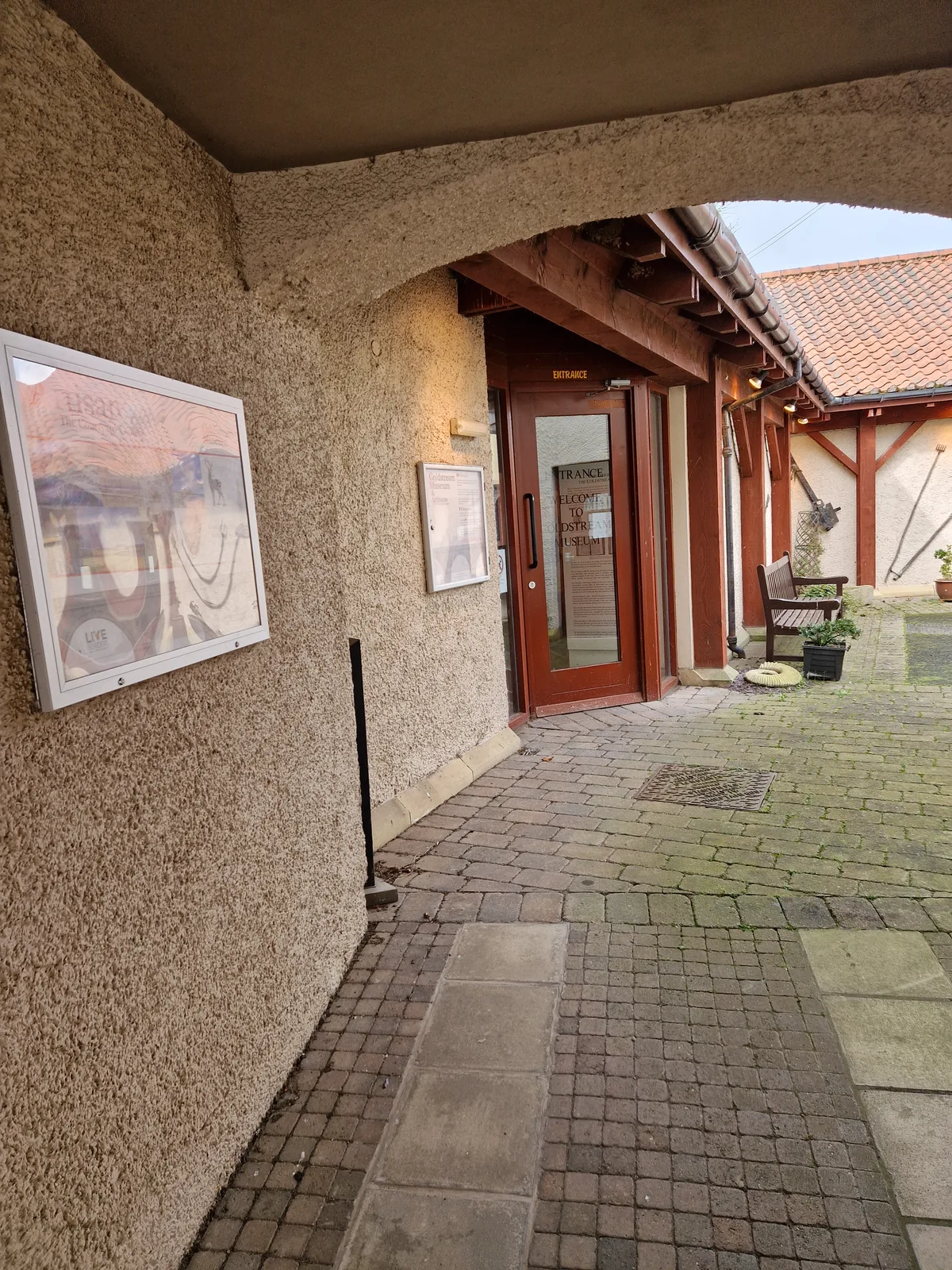
Coldstream Museum
Museums · 0.7 km
Nearby
📷 5Vineyards · Scottish Lowlands
Coldstream
Coldstream — a UK vineyard in scotland central, producing English or Welsh wine from cool-climate grape varieties.
📷 3Memorials & monuments · Scottish Lowlands
Marjoribanks Monument
Marjoribanks Monument — a memorial in scotland-central, United Kingdom.
📷 3Memorials & monuments · Scottish Lowlands
Coldstream Guards War Memorial
Coldstream Guards War Memorial — a memorial in scotland-central, United Kingdom.
📷 3Historic houses · Scottish Lowlands
86 High Street, Coldstream
86 High Street, Coldstream — house in Coldstream, Scottish Borders, Scotland, UK.
📷 4Historic houses · Scottish Lowlands
Town Hall, 73 High Street, Coldstream
Town Hall, 73 High Street, Coldstream in England North East, United Kingdom.
📷 3Castles · Scottish Lowlands
Cornhill Castle (site of)
Cornhill Castle (site of) — a castle in scotland-central, United Kingdom.
Where to eat & stay near Coldstream Bridge
Places to stay
 📷 7
📷 7Hotels · North East England
Collingwood Arms
Collingwood Arms — a hotel in scotland central.
 📷 5
📷 5Campsites · Scottish Lowlands
Coldstream Holiday Park
Coldstream Holiday Park — a campsite in scotland central.
 📷 5
📷 5Hotels · North East England
Tillmouth Park Country House Hotel
Tillmouth Park Country House Hotel — a hotel in scotland central.
 📷 5
📷 5Caravan parks · North East England
Salutation Caravan Park
Salutation Caravan Park — a caravan park in scotland central.
 📷 5
📷 5 📷 5
📷 5Hostels · North East England
Friends Of Nature House
Friends Of Nature House — a hostel in scotland central.
Places to eat & drink
 📷 4
📷 4Historic pubs · Scottish Lowlands
Newcastle Arms
Newcastle Arms — Historic pub — listed building or notable heritage status.
 📷 5
📷 5Historic pubs · Scottish Lowlands
The Masons Arms
The Masons Arms in Scotland Lowlands, United Kingdom.
 📷 7
📷 7Historic pubs · Scottish Lowlands
The Victoria Hotel
The Victoria Hotel in Scotland Lowlands, United Kingdom.
 📷 7
📷 7Historic pubs · Central Scotland
The Royal Bar, 15 Market Square, Duns
The Royal Bar, 15 Market Square, Duns in Scotland Central, United Kingdom.
 📷 7
📷 7 📷 7
📷 7Historic pubs · North East England
59 And 61, Bridge Street
59 And 61, Bridge Street in Scotland Lowlands, United Kingdom.
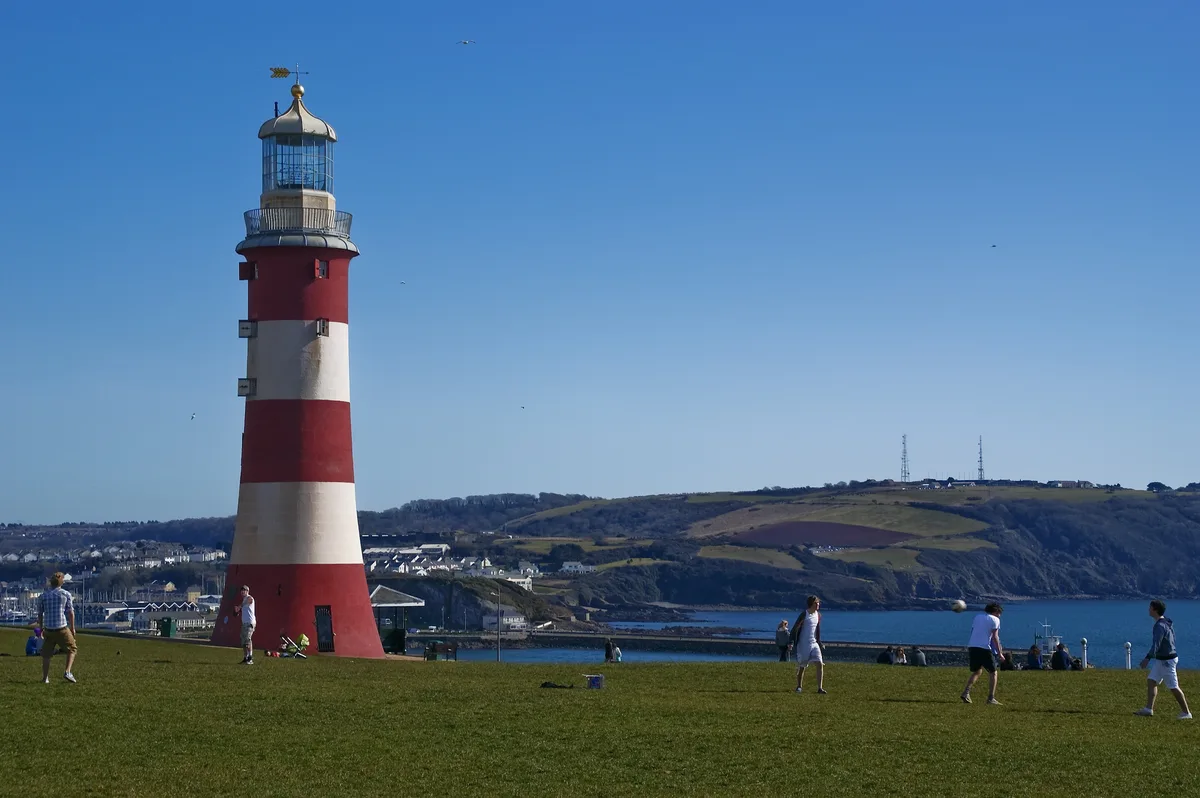
Other works by John Smeaton
 📷 5
📷 5Lighthouses · South West England
Smeaton's Tower
Smeaton's Tower — lighthouse in Devon, England, UK.
More bridges in this region
 📷 5
📷 5 📷 3
📷 3Historic bridges · Scottish Lowlands
Spittal-on-Rule
Spittal-on-Rule in England North East, United Kingdom.
 📷 3
📷 3 📷 4
📷 4Historic bridges · Scottish Lowlands
Kalemouth Suspension Bridge
Kalemouth Suspension Bridge in England North East, United Kingdom.
Frequently asked questions
- Where is Coldstream Bridge?
- Coldstream Bridge is in the Scottish Lowlands, United Kingdom (postcode TD12 4NT).
- What is Coldstream Bridge?
- Coldstream Bridge in England North East, United Kingdom.
- How do I get to Coldstream Bridge?
- The nearest railway station is Etal, about 7.5 km away. The nearest town is Coldstream. Drivers can use postcode TD12 4NT.
- When was Coldstream Bridge built?
- Built or established in 1763. Designed by John Smeaton.
- Who owns Coldstream Bridge?
- Coldstream Bridge is owned by | maint =.
- Is Coldstream Bridge a listed building?
- Coldstream Bridge is officially recognised as category A listed building listed.
- Is Coldstream Bridge a protected site?
- Yes — Coldstream Bridge is part of the Tweed Catchment Rivers - England: Lower Tweed and Whiteadder SSSI Site of Special Scientific Interest and the Tweed Catchment Rivers - England: Till Catchment SSSI Site of Special Scientific Interest.
- How do I get to Coldstream Bridge?
- The nearest railway station is Etal, about 7.5 km away. Drivers can navigate to postcode TD12 4NT.