
Museums · North West England
Cockermouth
In or near Blindbothel.
Cockermouth is a market town and civil parish in the Cumberland unitary authority area of Cumbria, England. The name refers to the town's position by the confluence of the River Cocker into the River

Jim Osley — CC BY-SA 2.0 via Wikimedia Commons licence

Plan your visit
- Typical visit
- 1.5 h–3 h
- Best time of year
- Year-round
- Free entry
- Family-friendly
- Limited wheelchair access
About
Cockermouth is a market town and civil parish in the Cumberland unitary authority area of Cumbria, England. The name refers to the town's position by the confluence of the River Cocker into the River Derwent. At the 2021 census, the built up area had a population of 8,860. Cockermouth is situated a short distance outside the English Lake District on its north-west fringe. Much of the architectural core of the town remains unchanged since the basic medieval layout was filled in the 18th and 19th centuries. The regenerated market place is now a central historical focus within the town and reflects events from its 800-year history. The town is prone to flooding and experienced severe floods in 2005, 2009 and 2015. Mary, Queen of Scots, came to Cockermouth in 1568, after her defeat at the Battle of Langside. She is said to have stayed at the house of Henry Fletcher (died 1574), who gave her a velvet gown and she later sent him a letter of thanks. Fletcher's son moved from Cockermouth to Moresby Hall in Parton, Cumbria.
Photo gallery
Official information
The Kirkgate Centre is a cultural venue in Cockermouth that hosts a variety of entertainment options including films, live music, theatre, and community events. It serves as a hub for local talent and heritage, providing opportunities for the community to engage with the arts.
Protected designations
- Site of Special Scientific Interest: River Derwent and Tributaries SSSI
Designations sourced from Natural England open data under OGL v3.
From the Wikipedia article
Cockermouth is a market town and civil parish in the Cumberland unitary authority area of Cumbria, England. The name refers to the town's position by the confluence of the River Cocker into the River Derwent. At the 2021 census, the built up area had a population of 8,860. Cockermouth is situated a short distance outside the English Lake District on its north-west fringe. Much of the architectural core of the town remains unchanged since the basic medieval layout was filled in the 18th and 19th centuries. The regenerated market place is now a central historical focus within the town and reflects events from its 800-year history. The town is prone to flooding and experienced severe floods in 2005, 2009 and 2015. Mary, Queen of Scots, came to Cockermouth in 1568, after her defeat at the Battle of Langside. She is said to have stayed at the house of Henry Fletcher (died 1574), who gave her a velvet gown and she later sent him a letter of thanks. Fletcher's son moved from Cockermouth to Moresby Hall in Parton, Cumbria.
Excerpt from Wikipedia under CC BY-SA 4.0. See the source article linked in Sources below.
Background
History
The Romans built a fort at Derventio Carvetiorum, now the adjoining village of Papcastle, to protect the river crossing on a major route for troops heading towards Hadrian's Wall. The main town developed under the Normans who, after occupying the former Roman fort, built Cockermouth Castle closer to the river crossing; little remains today of the castle thanks to the efforts of Robert the Bruce. The market town developed its distinctive medieval layout, of a broad main street of burgesses' houses, each with a burgage plot stretching to a "back lane": the Derwent bank on the north and Back Lane (now South Street), on the south. Prior to the Reform Act 1832, Cockermouth was the usual venue…
Architecture
Much of the centre of the town is of medieval origin, substantially rebuilt in Georgian style with Victorian infill. The tree-lined Kirkgate offers examples of unspoilt classical late 17th and 18th-century terraced housing, cobbled paving and curving lanes which run steeply down to the River Cocker. Most of the buildings are of traditional slate and stone construction with thick walls and green Skiddaw slate roofs. Many of the facades lining the streets are frontages for historic housing in alleyways and lanes (often maintaining medieval street patterns) to the rear. There are examples of Georgian residences near the Market Place, St. Helens Street, at the bottom of Castlegate Drive and…
Sourced from Wikipedia under CC BY-SA 4.0.
- Coordinates
- 54.6613, -3.3620
- District
- Cumberland
- Parish
- Cockermouth
- Postcode
- CA13 9RG
- Parliamentary constituency
- Penrith and Solway
Sources
- wikipedia: Cockermouth (CC BY-SA 4.0)
Other places nearby

Victoria Bridge
Historic bridges · 0.1 km

Robinson Mitchell memorial
Memorials & monuments · 0.2 km

Grand Theatre, Cockermouth
Theatres · 0.2 km

Church of All Saints
Historic churches · 0.2 km

Kirkgate Centre
Theatres · 0.2 km

Cocker Bridge
Historic bridges · 0.3 km

The Kirkgate Centre
Theatres · 0.3 km

JB Banks Ironmongers
Museums · 0.3 km

Mayo
Memorials & monuments · 0.3 km

Jennings Brewery
Breweries · 0.4 km

Tute Hill
Archaeological sites · 0.4 km

Dinosaur Lamppost
Natural landmarks · 0.4 km
Nearby
📷 3Historic bridges · North West England
Victoria Bridge
Victoria Bridge is a historic bridge in the United Kingdom.
📷 3Memorials & monuments · North West England
Robinson Mitchell memorial
Robinson Mitchell memorial — a memorial in scotland-lowlands, United Kingdom.
📷 3Theatres · North West England
Grand Theatre, Cockermouth
Grand Theatre, Cockermouth in Scotland Lowlands, United Kingdom.
📷 3Historic churches · North West England
Church of All Saints
Church of All Saints — church in Cockermouth, Cumbria, United Kingdom.
📷 5Theatres · North West England
Kirkgate Centre
Kirkgate Centre — a cinema heritage in scotland-lowlands, United Kingdom.
📷 3Historic bridges · North West England
Cocker Bridge
Cocker Bridge — Grade II listed building-listed bridge in scotland-lowlands, United Kingdom.
Where to eat & stay near Cockermouth
Places to stay
 📷 7
📷 7Hotels · North West England
The Trout Hotel
The Trout Hotel — a hotel in scotland lowlands.
 📷 5
📷 5Caravan parks · North West England
Violet Bank holiday Home Park
Violet Bank holiday Home Park — a caravan park in scotland lowlands.
 📷 5
📷 5Caravan parks · North West England
Wyndham Hall Caravan Park
Wyndham Hall Caravan Park — a caravan park in scotland lowlands.
 📷 5
📷 5Caravan parks · North West England
Brigham Holiday Park
Brigham Holiday Park — a caravan park in scotland lowlands.
 📷 5
📷 5Caravan parks · North West England
Wheatsheaf Caravan and Camping Park
Wheatsheaf Caravan and Camping Park — a caravan park in scotland lowlands.
 📷 5
📷 5Campsites · North West England
Whinfell Hall Farm Campsite
Whinfell Hall Farm Campsite — a campsite in scotland lowlands.
Places to eat & drink
 📷 7
📷 7Historic pubs · North West England
The Pheasant Inn
The Pheasant Inn in Scotland Lowlands, United Kingdom.
 📷 5
📷 5 📷 7
📷 7Cafés · North West England
Grange Bridge Cottage
Grange Bridge Cottage — a café in england north east.
 📷 5
📷 5Historic pubs · North West England
Fox and Grapes
Fox and Grapes in England North West, United Kingdom.
 📷 4
📷 4Historic pubs · North West England
Oddfellows Arms
Oddfellows Arms — Historic pub — listed building or notable heritage status.
 📷 5
📷 5Historic pubs · North West England
Kings Arms Walter Willsons
Kings Arms Walter Willsons in Scotland Lowlands, United Kingdom.
More museums in this region
 📷 3
📷 3Museums · North West England
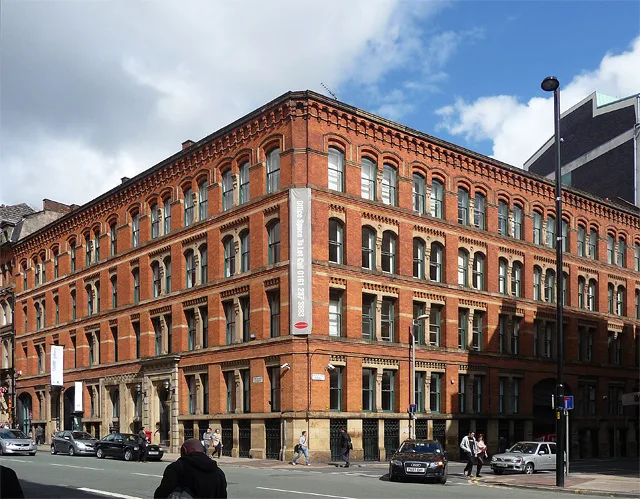
Cube Gallery
Cube Gallery — former architecture museum in Manchester, England.
 📷 3
📷 3Museums · North West England
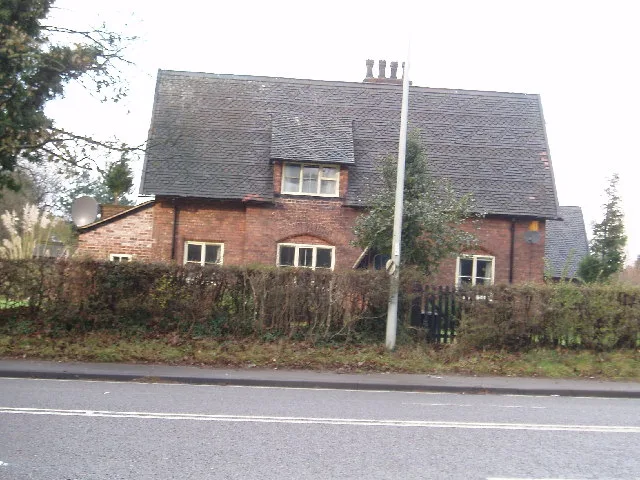
Cuckooland Museum
Cuckooland Museum — horological museum in England, UK.
 📷 4
📷 4Museums · North West England
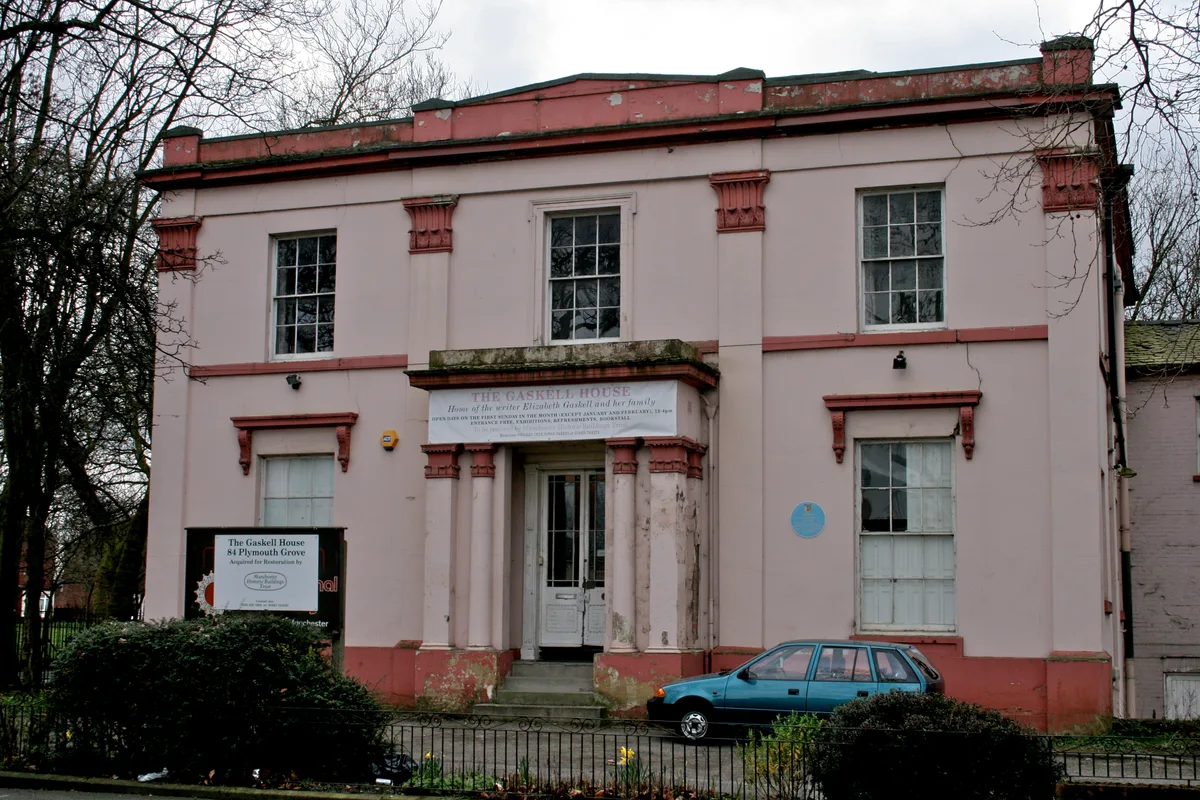
Elizabeth Gaskell's House
Elizabeth Gaskell's House — museum in Manchester.
 📷 3
📷 3Museums · North West England
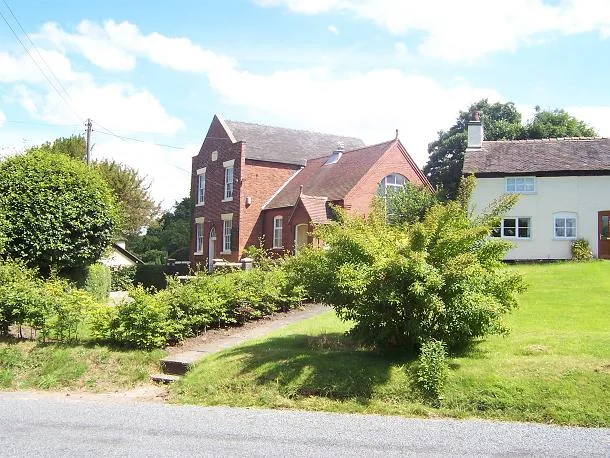
Englesea Brook Chapel and Museum of Primitive Methodism
Englesea Brook Chapel and Museum of Primitive Methodism — Primitive Methodist chapel and museum, United Kingdom.
Frequently asked questions
- Where is Cockermouth?
- Cockermouth is in North-West England, United Kingdom (postcode CA13 9RG), in the parish of Cockermouth.
- What is Cockermouth?
- Cockermouth is a market town and civil parish in the Cumberland unitary authority area of Cumbria, England. The name refers to the town's position by the confluence of the River Cocker into the River
- How do I get to Cockermouth?
- The nearest town is Blindbothel. Drivers can use postcode CA13 9RG.
- Is Cockermouth a protected site?
- Yes — Cockermouth is part of the River Derwent and Tributaries SSSI Site of Special Scientific Interest.
- Is Cockermouth free to visit?
- Yes, Cockermouth is free to enter.
- How do I get to Cockermouth?
- Drivers can navigate to postcode CA13 9RG. It sits within the Penrith and Solway parliamentary constituency.