
Castles · Mid Wales
Clun Castle
In or near Llanfair Waterdine.
Clun Castle in Wales Mid, United Kingdom.

Fabian Musto — CC BY-SA 2.0 via Wikimedia Commons licence

Plan your visit
- Typical visit
- 1.5 h–3 h
- Nearest railway station
- Knucklas · 8.1 km
- Free entry
- Family-friendly
- Limited wheelchair access
Getting there & planning your visit
Clun Castle is located in Shropshire, with the postcode SY7 8JT. The nearest railway station is Knucklas, which is 8.1 km away. Accessibility is limited, and entry details are not specified.
About
Clun Castle is a place of interest in Wales Mid, United Kingdom — drawn from open-data sources for visitor reference. See the linked Wikipedia article for the full description.
Photo gallery
Official information
Clun Castle features dramatic riverside ruins and extensive earthworks, situated on a rocky mound overlooking the town of Clun. Founded shortly after the Norman Conquest, the castle has a rich history and offers visitors a glimpse into its medieval past.
Protected designations
- Site of Special Scientific Interest: River Teme SSSI
- Area of Outstanding Natural Beauty: Shropshire Hills
Designations sourced from Natural England open data under OGL v3.
From the Wikipedia article
Clun Castle is a medieval ruined castle in Clun, Shropshire, England. Clun Castle was established by the Norman lord Robert de Say after the Norman invasion of England and went on to become an important Marcher lord castle in the 12th century, with an extensive castle-guard system. Owned for many years by the Fitzalan family, Clun played a key part in protecting the region from Welsh attack until it was gradually abandoned as a property in favour of the more luxurious Arundel Castle. The Fitzalans converted Clun Castle into a hunting lodge in the 14th century, complete with pleasure gardens, but by the 16th century the castle was largely ruined. Slighted in 1646 after the English Civil War, Clun remained in poor condition until renovation work in the 1890s. Today the castle is classed as a Grade I listed building and as a Scheduled Monument. It is owned by the Duke of Norfolk, who also holds the title of Baron Clun, and is managed by English Heritage.
Excerpt from Wikipedia under CC BY-SA 4.0. See the source article linked in Sources below.
Background
Architecture
of Clun Castle, designed for the Fitz Alan family's residential use.]] Clun Castle is located on a bend in the River Clun, overlooking the small town of Clun and its church (on the other side of the river). The river provides natural defences from the north and west, whilst the main keep of the castle stands upon a large motte or mound. Three similar, but less dramatic mounds around the main motte provide the basic structure for the castle defences. The remains of the 80 ft tall, four-storey rectangular great keep are still standing on the north side of the motte. In large part this a typical late Norman keep, 68 by wide, similar to those locally at Alberbury, Bridgnorth and Hopton,…
Visiting
In 1894, the site was purchased by the Duke of Norfolk, a descendant of the original FitzAlan family. The site is open to the public, managed by English Heritage.
Sourced from Wikipedia under CC BY-SA 4.0.
- Coordinates
- 52.4221, -3.0338
- District
- Shropshire
- Parish
- Clun
- Postcode
- SY7 8JT
- Parliamentary constituency
- South Shropshire
- Nearest railway station
- Knucklas — 8.1 km
- Opening
- Open daily all year round during daylight hours.
- Official site
- www.english-heritage.org.uk
Sources
- wikidata: Q5136615 (CC0)
- wikipedia: Clun Castle (CC BY-SA 4.0)
Other places nearby

River Unk
Natural landmarks · 0.2 km
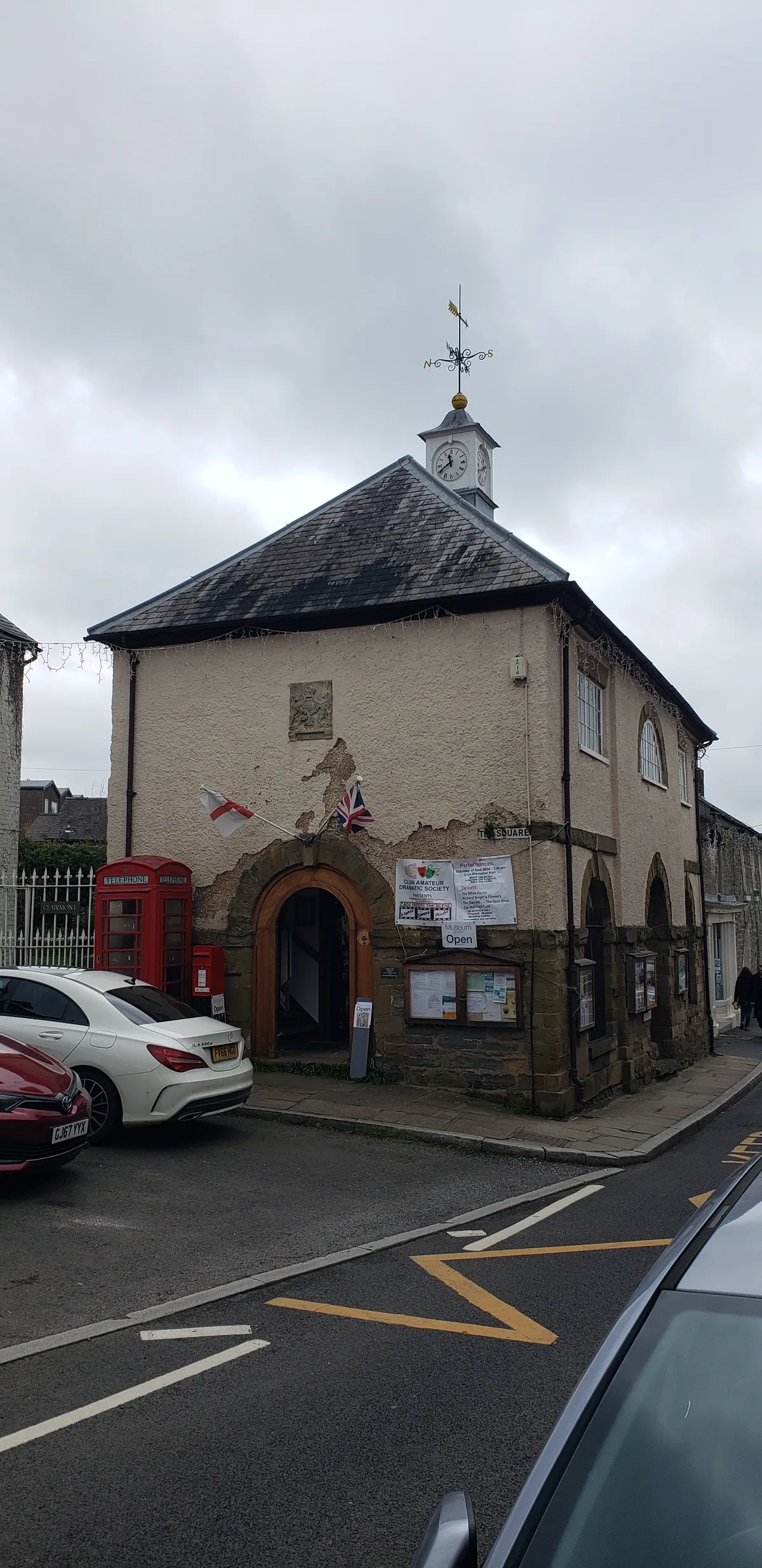
Clun Town Trust Museum
Museums · 0.3 km

Clun
National landscapes (AONB) · 0.3 km
Town Hall (museum)
Museums · 0.3 km
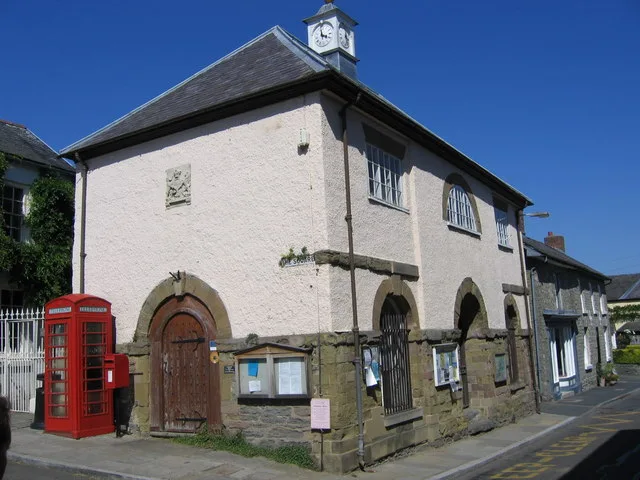
Clun Museum
Museums · 0.3 km

Clun Bridge
Memorials & monuments · 0.3 km

Clun War Memorial
Memorials & monuments · 0.4 km

YHA Clun Mill
Hostels · 0.6 km

1990 Bishop's Castle earthquake
Castles · 0.9 km

Radnor Wood
Forests & woodlands · 1.3 km

The Hurst
Historic houses · 1.8 km

Bicton Castle
Castles · 1.8 km
Nearby
📷 4Natural landmarks · Mid Wales
River Unk
River Unk in Wales Mid, United Kingdom.
📷 3📷 5📷 3📷 3Museums · Mid Wales
Clun Museum
Clun Museum — museum in Clun, Shropshire, England, UK.
📷 4Where to eat & stay near Clun Castle
Places to stay
📷 5 📷 5
📷 5 📷 5
📷 5 📷 5
📷 5Caravan parks · Mid Wales
Chapel Lawn Farm Campsite
Chapel Lawn Farm Campsite — a caravan park in wales mid.
 📷 5
📷 5Campsites · Mid Wales
Walcot Hall Caravan & Camping Park
Walcot Hall Caravan & Camping Park — a campsite in wales mid.
 📷 5
📷 5Campsites · Mid Wales
Panpwnton Farm
Panpwnton Farm — a campsite in wales mid.
Places to eat & drink
 📷 7
📷 7Historic pubs · Mid Wales
The Six Bells And Former Stables To Rear
The Six Bells And Former Stables To Rear in Wales Mid, United Kingdom.
 📷 5
📷 5Historic pubs · Mid Wales
The Black Lion And Forecourt Railings
The Black Lion And Forecourt Railings in Wales Mid, United Kingdom.
 📷 4
📷 4 📷 4
📷 4 📷 5
📷 5 📷 5
📷 5More castles in this region
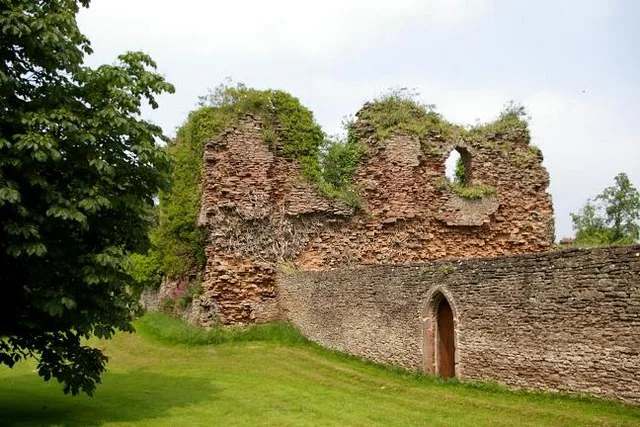 📷 3
📷 3Castles · Mid Wales
Alberbury Castle
Alberbury Castle — castle in Alberbury with Cardeston, Shropshire, England, UK.
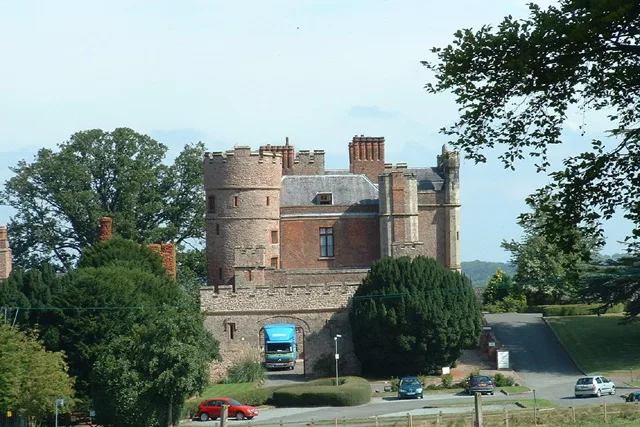 📷 5
📷 5Castles · Mid Wales
Rowton Castle
Rowton Castle — castle in Alberbury with Cardeston, Shropshire, England, UK.
 📷 4
📷 4Castles · Mid Wales
Wattlesborough Castle
Wattlesborough Castle — Grade I listed castle in Shropshire, England, UK.
 📷 5
📷 5Castles · Mid Wales
Wollaston, Shropshire
Wollaston, Shropshire — a castle in wales-north, United Kingdom.
Frequently asked questions
- Where is Clun Castle?
- Clun Castle is in Mid Wales, United Kingdom (postcode SY7 8JT), in the parish of Clun.
- What is Clun Castle?
- Clun Castle in Wales Mid, United Kingdom.
- How do I get to Clun Castle?
- The nearest railway station is Knucklas, about 8.1 km away. The nearest town is Llanfair Waterdine. Drivers can use postcode SY7 8JT.
- Who owns Clun Castle?
- Clun Castle is owned by English Heritage.
- Is Clun Castle a protected site?
- Yes — Clun Castle is part of the River Teme SSSI Site of Special Scientific Interest and the Shropshire Hills National Landscape (AONB).
- Is Clun Castle free to visit?
- Yes, Clun Castle is free to enter.
- How do I get to Clun Castle?
- Drivers can navigate to postcode SY7 8JT. It sits within the South Shropshire parliamentary constituency.