
Museums · East of England
Clare, Suffolk
In or near Poslingford.
Clare is a market town and civil parish on the north bank of the River Stour in the West Suffolk district, in the county of Suffolk, England. Clare is in southwest Suffolk, 14 miles (23 km) from Bury

John Sutton — CC BY-SA 2.0 via Wikimedia Commons licence

Plan your visit
- Typical visit
- 1.5 h–3 h
- Best time of year
- Year-round
- Nearest railway station
- Castle Hedingham · 9.4 km
- Free entry
- Family-friendly
- Limited wheelchair access
Getting there & planning your visit
To visit Clare, Suffolk, the nearest railway station is Castle Hedingham, located 9.4 km away. The postcode for navigation is CO10 8NY. Accessibility is limited for wheelchair users.
About
Clare is a market town and civil parish on the north bank of the River Stour in the West Suffolk district, in the county of Suffolk, England. Clare is in southwest Suffolk, 14 miles (23 km) from Bury St Edmunds and 9 miles (14 km) from Sudbury. Clare won Village of the Year in 2010 and Anglia in Bloom award for Best Large Village 2011 for its floral displays in 2011. In March 2015, The Sunday Times and Zoopla placed Clare amongst the top 50 UK rural locations, having "period properties and rich history without the chocolate-box perfection – and the coach trips". In 2011 it had a population of 2,028. Clare and its vicinity has evidence of human habitation throughout prehistory, through the Norman Conquest, to the present day. Through the Anglo-Norman family de Clare, who took the name of this village, the name spread to other places and institutions such as County Clare in Ireland and Clare College, Cambridge. The town hosts Stour Valley Community School, one of the first free schools established by the government, opened in September 2011.
Photo gallery
Official information
Clare Ancient House Museum is a Grade I Listed Building showcasing the history of Clare through various themed exhibitions. Visitors can explore artifacts ranging from fossils to historical items related to the town's past, all curated by volunteers.
From the Wikipedia article
Clare is a market town and civil parish on the north bank of the River Stour in the West Suffolk district, in the county of Suffolk, England. Clare is in southwest Suffolk, 14 miles (23 km) from Bury St Edmunds and 9 miles (14 km) from Sudbury. Clare won Village of the Year in 2010 and Anglia in Bloom award for Best Large Village 2011 for its floral displays in 2011. In March 2015, The Sunday Times and Zoopla placed Clare amongst the top 50 UK rural locations, having "period properties and rich history without the chocolate-box perfection – and the coach trips". In 2011 it had a population of 2,028. Clare and its vicinity has evidence of human habitation throughout prehistory, through the Norman Conquest, to the present day. Through the Anglo-Norman family de Clare, who took the name of this village, the name spread to other places and institutions such as County Clare in Ireland and Clare College, Cambridge. The town hosts Stour Valley Community School, one of the first free schools established by the government, opened in September 2011.
Excerpt from Wikipedia under CC BY-SA 4.0. See the source article linked in Sources below.
Background
History
William Camden in his Britain, or, a Chorographicall Description of the most flourishing Kingdomes, England, Scotland, and Ireland (1610) wrote: 'On the South side wee saw the river Stour, which immediately from the verie spring head spreadeth a great Mere called Stourmmere, but soone after, drawing it selfe within the bankes, runneth first by Clare, a noble village which had a castle, but now , and gave name to the right noble familie of the Clares'. Daniel Defoe in A tour thro' the Whole Island of Great Britain (1748 4th edition) said that Clare was "a poor town and dirty, the streets being unpaved. But yet the civil and spiritual courts are held at it and it has a good church; it shows…
Description
The Domesday Book records that the lands around Clare belonged to a Saxon thane, Aluric (or Aelfric), son of Wisgar (or Withgar) and that he gave them to St John, probably creating in Clare a collegiate church, under Edward the Confessor. William the Conqueror re-granted the land to one of his closest supporters in the Norman Conquest of 1066, Richard fitz Gilbert of Bienfaite, Count of Brionne, the son of one of his cousins, along with 170 other manors, 95 of them in Suffolk. Apart from being related to William, Richard's relationship with the king was further embedded as his father-in-law, Walter Giffard, Lord of Longueville was one of the 15 or so known companions of William at the…
Sourced from Wikipedia under CC BY-SA 4.0.
- Coordinates
- 52.0800, 0.5800
- County
- Suffolk
- District
- West Suffolk
- Parish
- Clare
- Postcode
- CO10 8NY
- Parliamentary constituency
- West Suffolk
- Phone
- 07483 310634
- Nearest railway station
- Castle Hedingham — 9.4 km
- Opening
- Saturdays, Sundays and Bank Holidays 12.00 to 16.00; closed October to March
Sources
- wikipedia: Clare, Suffolk (CC BY-SA 4.0)
Other places nearby
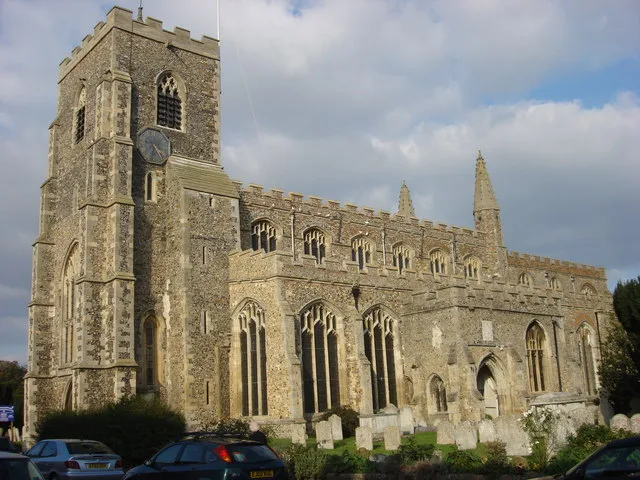
St Peter and St Paul's Church, Clare
Historic churches · 0.1 km

The Ancient House Museum
Museums · 0.1 km
Clare Ancient House Museum
Museums · 0.1 km

Tuckermans
Cafés · 0.2 km

Clare
Villages · 0.2 km

Clare War Memorial
Memorials & monuments · 0.2 km
The Bell
Hotels · 0.2 km

Telephone Kiosk
Galleries · 0.2 km

Earth Work
Archaeological sites · 0.3 km

Earthwork on Lower Common
Vineyards · 0.3 km
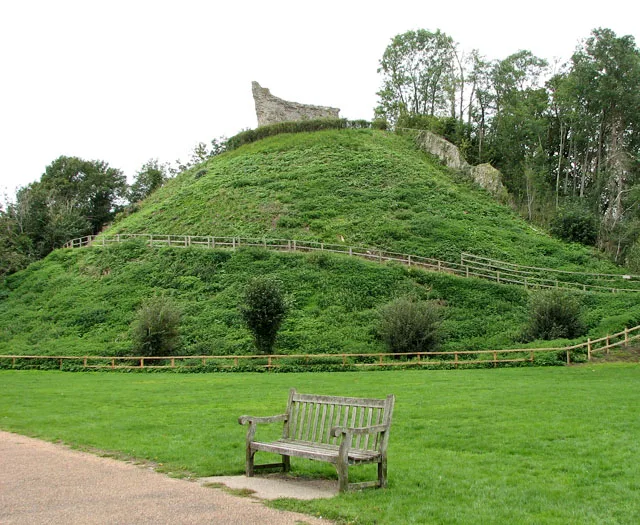
Clare Castle
Castles · 0.4 km

Nethergate Hotel
Historic houses · 0.4 km
Nearby
📷 5Historic churches · East of England
St Peter and St Paul's Church, Clare
St Peter and St Paul's Church, Clare — Grade I listed church in Clare, West Suffolk, England, UK.
📷 3Museums · East of England
The Ancient House Museum
The Ancient House Museum — a museum in england-east, United Kingdom.
📷 4Museums · East of England
Clare Ancient House Museum
Clare Ancient House Museum — a Grade I-listed museum in england-east, United Kingdom.
📷 7📷 5📷 3Memorials & monuments · East of England
Clare War Memorial
Clare War Memorial — Grade II listed building-listed memorial in england-east, United Kingdom.
Where to eat & stay near Clare, Suffolk
Places to stay
📷 7 📷 7
📷 7Hotels · East of England
George and Dragon Hotel
George and Dragon Hotel — a hotel in england east.
 📷 7
📷 7B&Bs · East of England
The Crown Inn
The Crown Inn — a bed-and-breakfast in england east.
 📷 7
📷 7B&Bs · East of England
Bull Hotel
Bull Hotel — a bed-and-breakfast in england east.
 📷 7
📷 7 📷 5
📷 5Campsites · East of England
Brighthouse Farm Caravan & Campsite
Brighthouse Farm Caravan & Campsite — a campsite in england east.
Places to eat & drink
📷 7 📷 5
📷 5Historic pubs · East of England
House Approximately 20 Yards North East Of Nos 5 And 6 (Hainault Cottage)
House Approximately 20 Yards North East Of Nos 5 And 6 (Hainault Cottage) in England East, United Kingdom.
 📷 7
📷 7Historic pubs · East of England
The Red Cow Public House
The Red Cow Public House in England East, United Kingdom.
 📷 7
📷 7Historic pubs · East of England
Railway Arms Public House
Railway Arms Public House in England East, United Kingdom.
 📷 6
📷 6Historic pubs · East of England
The Swan Public House
The Swan Public House in England East, United Kingdom.
 📷 7
📷 7Historic pubs · East of England
The Three Bottles Public House
The Three Bottles Public House in England East, United Kingdom.
More museums in this region
 📷 5
📷 5Museums · East of England
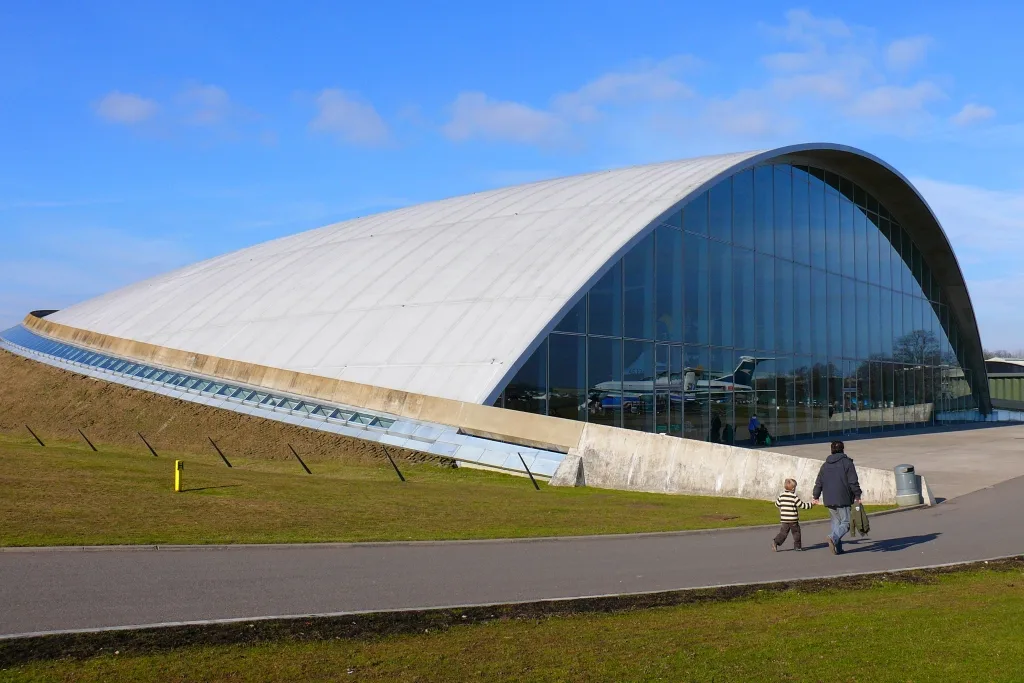
American Air Museum
American Air Museum — museum at Imperial War Museum Duxford, Cambridgeshire, England, UK.
 📷 5
📷 5Museums · East of England
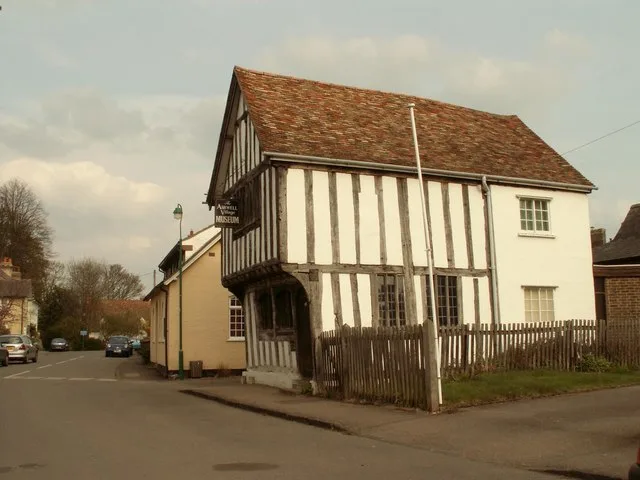
Ashwell Village Museum
Ashwell Village Museum — historic building museum in Ashwell, Hertfordshire, England, United Kingdom.
 📷 5
📷 5Museums · East of England
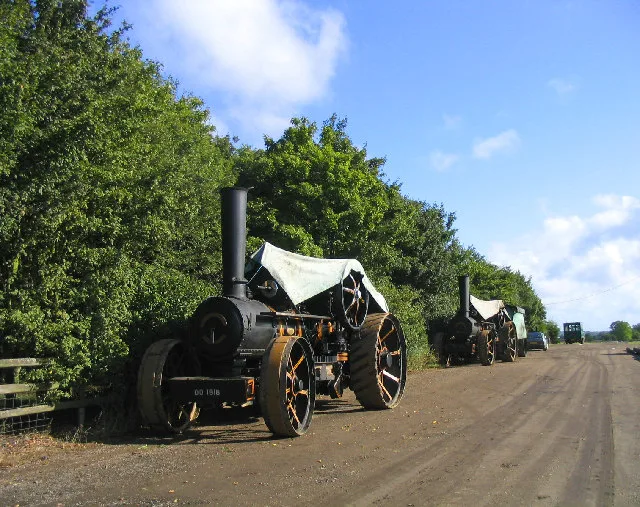
Barleylands Farm Museum
Barleylands Farm Museum — Farm museum in Billericay, England.
 📷 5
📷 5Museums · East of England
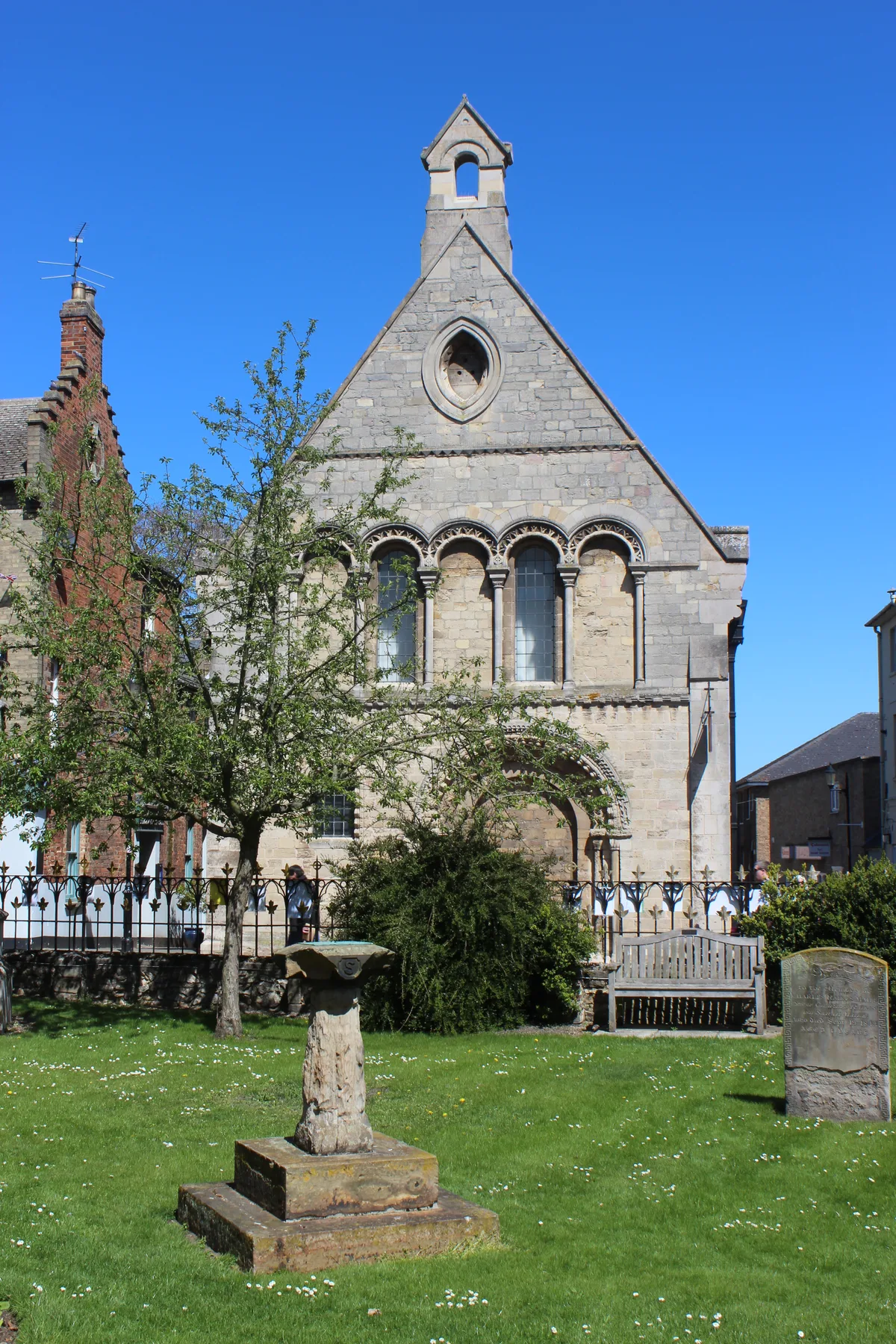
Cromwell Museum
Cromwell Museum — museum in Huntingdon, England, United Kingdom.
Frequently asked questions
- Where is Clare, Suffolk?
- Clare, Suffolk is in Suffolk, East of England, United Kingdom (postcode CO10 8NY), in the parish of Clare.
- What is Clare, Suffolk?
- Clare is a market town and civil parish on the north bank of the River Stour in the West Suffolk district, in the county of Suffolk, England. Clare is in southwest Suffolk, 14 miles (23 km) from Bury
- How do I get to Clare, Suffolk?
- The nearest railway station is Castle Hedingham, about 9.4 km away. The nearest town is Poslingford. Drivers can use postcode CO10 8NY.
- Is Clare, Suffolk free to visit?
- Yes, Clare, Suffolk is free to enter.
- How do I get to Clare, Suffolk?
- Drivers can navigate to postcode CO10 8NY. It sits within the West Suffolk parliamentary constituency.