
Historic churches · South West England
Church of St Morwenna and St John the Baptist, Morwenstow
In or near Morwenstow.
Church of St Morwenna and St John the Baptist, Morwenstow — church in Morwenstow, Cornwall, England, UK.

Wikimedia Commons contributors — see linked file page for photographer and licence licence

Plan your visit
- Typical visit
- 30 min–1 h
- Free entry
Getting there & planning your visit
The Church of St Morwenna and St John the Baptist is located in Morwenstow, Cornwall, with the postcode EX23 9SR. Entry is free.
About
Church of St Morwenna and St John the Baptist, Morwenstow is a historic church in the United Kingdom. Records date its origin to 1150. Designed by James Piers St Aubyn. Built in the Norman architecture style. Heritage designation: Grade I listed building. Affiliated with Anglicanism. Wikidata describes it as: "church in Morwenstow, Cornwall, England, UK". Coordinates: 50.9093°, -4.5545°.
Photo gallery
Heritage listing
The Church of St Morwenna and St John the Baptist is the parish church of Morwenstow, north Cornwall, England, United Kingdom, the most northerly parish in Cornwall. The church is dedicated to Morwenna, a local saint, and to John the Baptist, and is recorded in the National Heritage List for England as a designated Grade I listed building. It is an active Anglican parish church in the diocese of Truro, the archdeaconry of Bodmin, and the deanery of Stratton. Its benefice is combined with that of St James Church, Kilkhampton to form the United Benefice of Kilkhampton with Morwenstow. From 1835 to 1874 the vicar of the parish was Rev. R. S.
From the Historic England List Entry under OGL v3.
Official information
The Church of St Morwenna and St John the Baptist is a parish church located in Morwenstow, dedicated to a local saint and St John the Baptist. It is known for its historical connections to the 19th-century cleric R. S. Hawker and welcomes visitors to its services and beautiful setting on the Cornish coast.
Protected designations
- Site of Special Scientific Interest: Steeple Point to Marsland Mouth SSSI
- Area of Outstanding Natural Beauty: Cornwall
Designations sourced from Natural England open data under OGL v3.
From the Wikipedia article
The Church of St Morwenna and St John the Baptist is the parish church of Morwenstow, north Cornwall, England, United Kingdom, the most northerly parish in Cornwall. The church is dedicated to Morwenna, a local saint, and to John the Baptist, and is recorded in the National Heritage List for England as a designated Grade I listed building. It is an active Anglican parish church in the diocese of Truro, the archdeaconry of Bodmin, and the deanery of Stratton. Its benefice is combined with that of St James Church, Kilkhampton to form the United Benefice of Kilkhampton with Morwenstow. From 1835 to 1874 the vicar of the parish was Rev. R. S. Hawker, poet and antiquary who is credited with creating the modern form of the harvest festival church service to give thanks for a good harvest in 1842. The church stands in a remote position near cliffs on the north coast of Cornwall. Amongst the tombs and gravestones in the churchyard is a replica of the figurehead from a ship which was wrecked nearby in 1842. Since 2008 the original (conserved) wooden figurehead has been displayed inside the church. The Church of St Morwenna and St John the Baptist is the most northerly church (and parish) in Cornwall.
Excerpt from Wikipedia under CC BY-SA 4.0. See the source article linked in Sources below.
Background
History
Although the earliest fabric in the present church is Norman, it is believed that an earlier Saxon church stood on the site. At some time before 1291 the advowson was granted to St John's Hospital at Bridgwater by the Bishop of Exeter. In a document dated 1296, the church was referred to as an "old and well-known structure". Additions to the church were made in the 13th, 15th and 16th centuries. The church was restored in the 1850s under the direction of Parson Hawker when the box pews were removed and the wooden shingles on the roof were replaced. A further restoration took place in, or just after 1878, probably by J P St Aubyn. A vestry was added in 1887 and there were further…
Architecture
Internally the westerly three bays of the north arcade are Norman and include zigzag carving and a carved ram's head. The two easterly arcades are Transitional. The south arcade is mainly Perpendicular in style. The pew ends are carved with Gothic tracery above Renaissance arabesques. One pew end is inscribed with "T.K.", for Rev Thomas Kempthorne, who was vicar from 1539 to 1594; another has the date of 1575. It contains a cartoon by Giovanni Battista Piazzetta and three engravings by John-Baptist Jackson. In the south wall of the chancel is a piscina and on the north wall is a fragment of a mural painting dating from the late 15th or early 16th century. The painting depicts a female…
Sourced from Wikipedia under CC BY-SA 4.0.
- Coordinates
- 50.9093, -4.5545
- District
- Cornwall
- Parish
- Morwenstow
- Postcode
- EX23 9SR
- Parliamentary constituency
- North Cornwall
- Phone
- 01288 354215
- Established
- 1150
- Official site
- www.achurchnearyou.com
Sources
- wikidata: Q5117641 (CC0)
- wikipedia: Church of St Morwenna and St John the Baptist, Morwenstow (CC BY-SA 4.0)
- commons: St Morwenna, Morwenstow.jpg (CC BY-SA 4.0)
Other places nearby

Stone cross in parish churchyard
Historic churches · 0.1 km

Morwenstow
Towns & cities · 0.1 km

Hawker's Hut
Gardens · 0.6 km

Cotton Beach
Beaches · 0.7 km

Tonacombe Manor
Manor houses · 0.9 km

Yoel Mouth
Beaches · 1.1 km

Greenway Beach
Beaches · 1.2 km

Caunter Beach
Beaches · 1.6 km
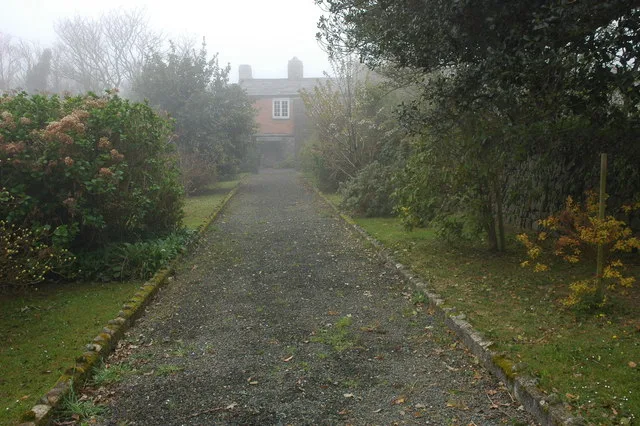
Marsland Manor
Stately homes · 1.9 km

Stanbury Beach
Beaches · 2.0 km

Rane Beach
Beaches · 2.2 km

Holacombe Beach
Beaches · 2.4 km
Nearby
📷 3Historic churches · South West England
Stone cross in parish churchyard
Stone cross in parish churchyard — a Grade II-listed church in england-south-west, United Kingdom.
📷 5Towns & cities · South West England
Morwenstow
Morwenstow — village and civil parish in Cornwall, England, UK.
📷 4Gardens · South West England
Hawker's Hut
Hawker's Hut — a garden in england-south-west, United Kingdom.
📷 5📷 3Manor houses · South West England
Tonacombe Manor
Tonacombe Manor — Grade I listed building-listed manor in england-south-west, United Kingdom.
📷 3Where to eat & stay near Church of St Morwenna and St John the Baptist, Morwenstow
Places to stay
 📷 5
📷 5Caravan parks · South West England
Bryder Farm Camping
Bryder Farm Camping — a caravan park in england south west.
 📷 5
📷 5Campsites · South West England
Pentire Haven Holiday Park
Pentire Haven Holiday Park — a campsite in england south west.
 📷 5
📷 5Hostels · South West England
Elmscott Youth Hostel
Elmscott Youth Hostel — a hostel in england south west.
 📷 5
📷 5Caravan parks · South West England
Bude Holiday Park
Bude Holiday Park — a caravan park in england south west.
 📷 5
📷 5Caravan parks · South West England
Wooda Farm Park
Wooda Farm Park — a caravan park in england south west.
 📷 5
📷 5Campsites · South West England
Tamar campsite
Tamar campsite — a campsite in england south west.
Places to eat & drink
 📷 7
📷 7Historic pubs · South West England
The Old Smithy
The Old Smithy in England South West, United Kingdom.
 📷 7
📷 7Historic pubs · South West England
The Old Cartaret Arms
The Old Cartaret Arms in England South West, United Kingdom.
 📷 7
📷 7Other works by James Piers St Aubyn
 📷 5
📷 5Historic churches · South East England
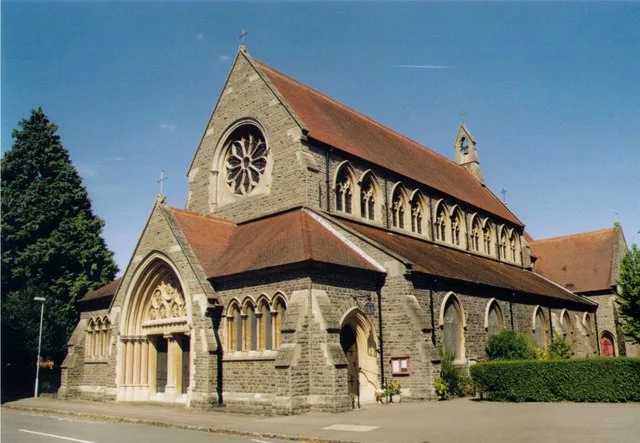
All Saints' Church, Reading
All Saints' Church, Reading — grade II listed church in Reading, Berkshire, England, UK.
 📷 5
📷 5Historic churches · South West England
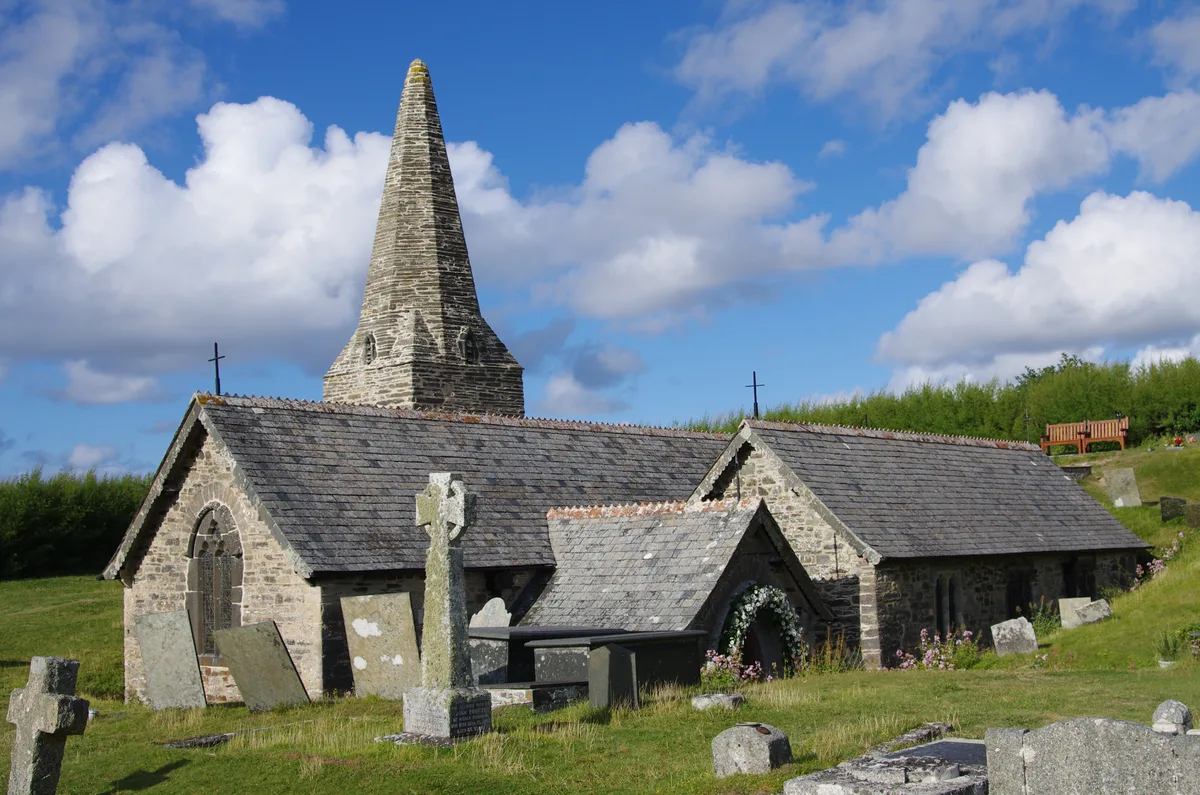
St Enodoc's Church, Trebetherick
St Enodoc's Church, Trebetherick — church in Cornwall, England, UK.
 📷 5
📷 5Historic churches · East of England
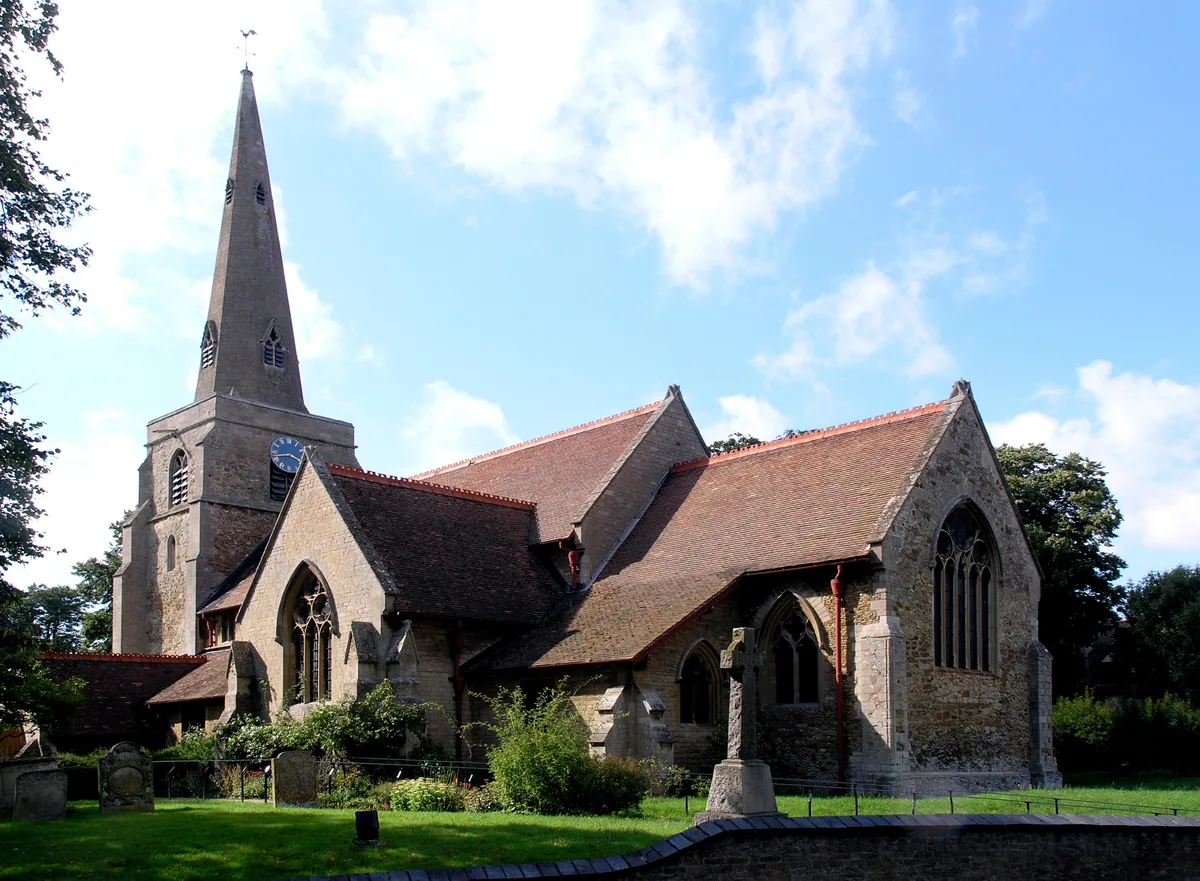
St James' Church, Stretham, Cambridgeshire
St James' Church, Stretham, Cambridgeshire — church in Stretham, Cambridgeshire, England, UK.
 ★ Iconic📷 3
Abbeys & priories · East Midlands
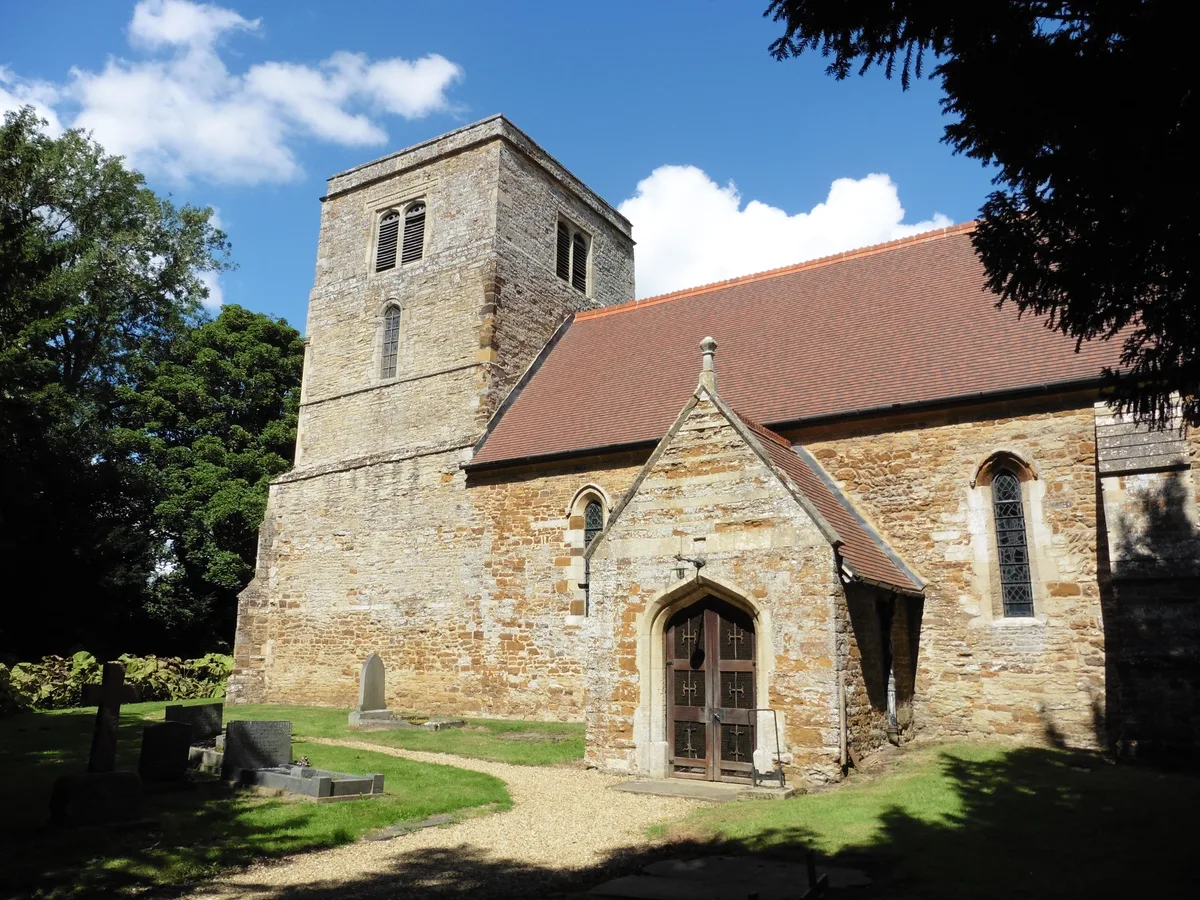
Church of St Mary the Virgin
Church of St Mary the Virgin — church in Maidwell, Northamptonshire, England, UK.
Other places from this era
 📷 5
📷 5Historic churches · London
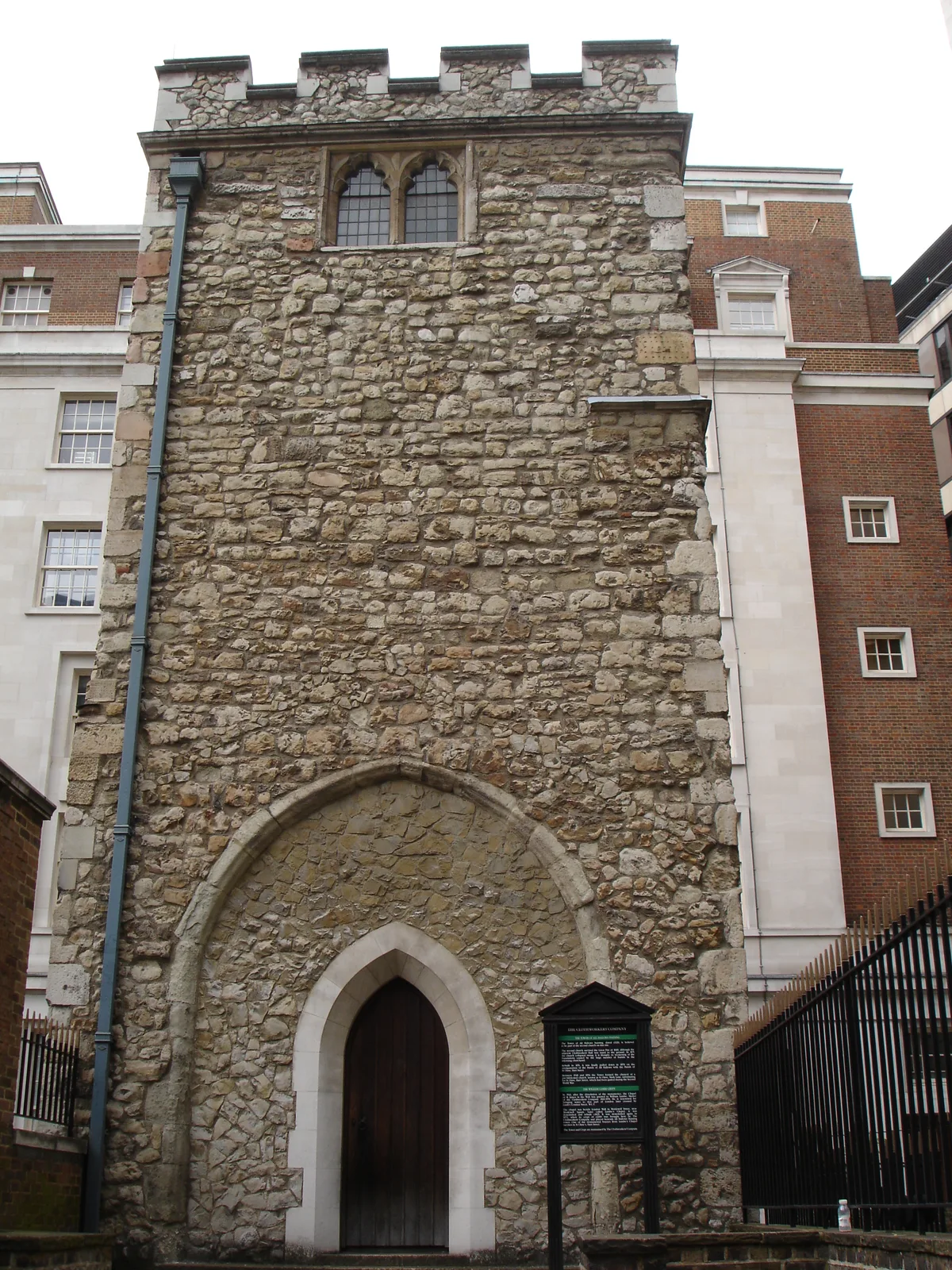
All Hallows Staining
All Hallows Staining — church in City of London, UK.
 📷 5
📷 5Historic churches · London
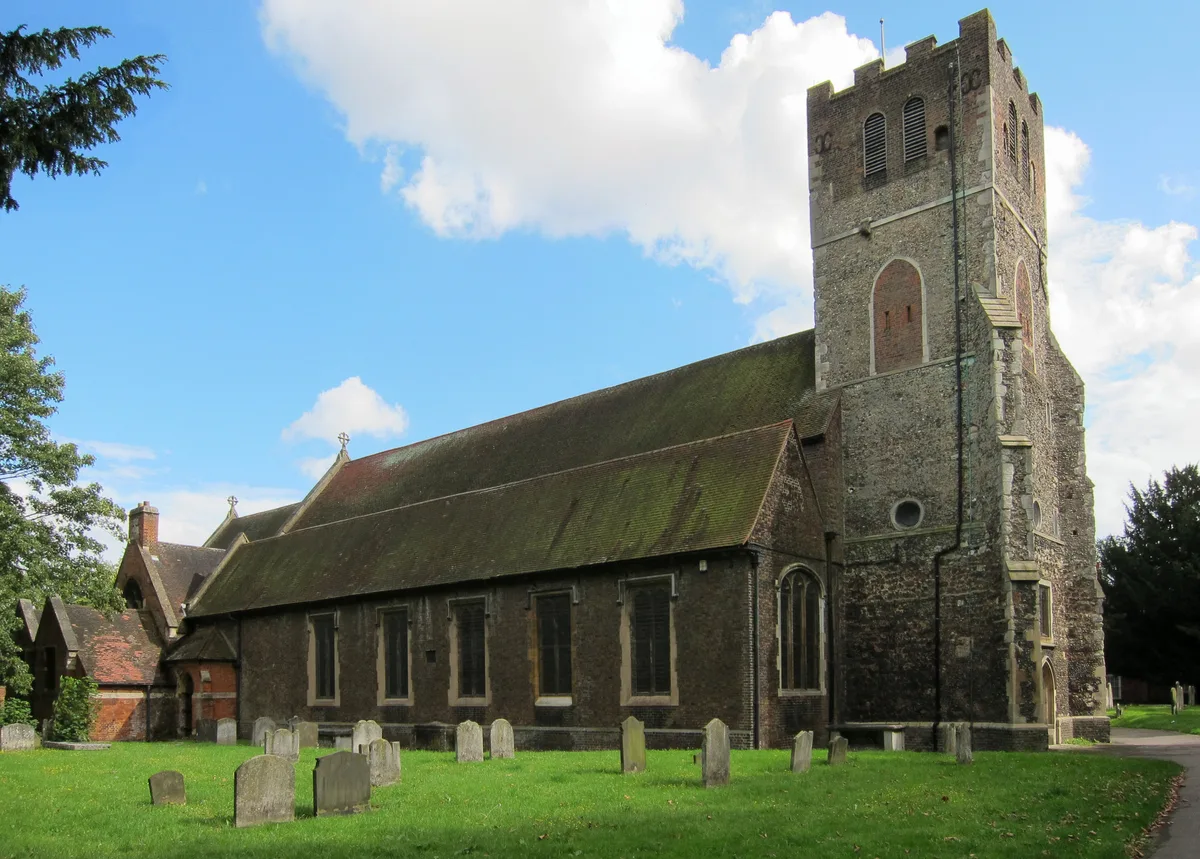
All Hallows' Church, Tottenham
All Hallows' Church, Tottenham — church in Tottenham, London.
 📷 5
📷 5Historic churches · London
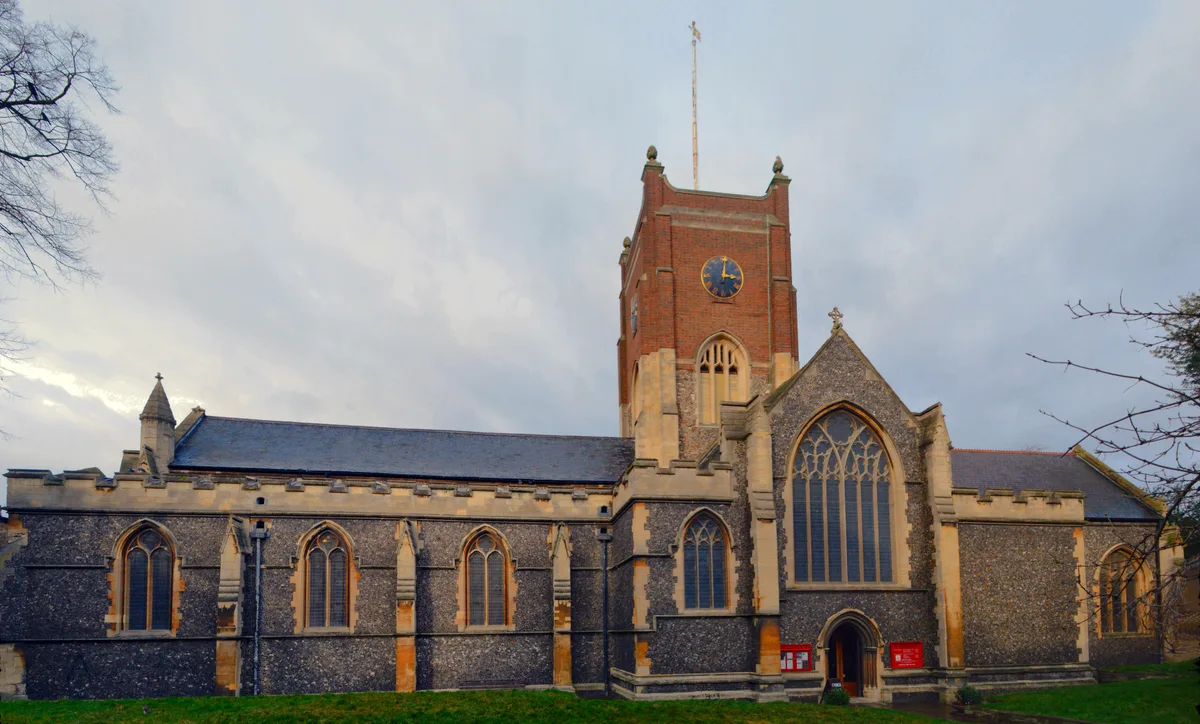
All Saints Church, Kingston upon Thames
All Saints Church, Kingston upon Thames — church in Kingston upon Thames, London.
 📷 5
📷 5Historic churches · London
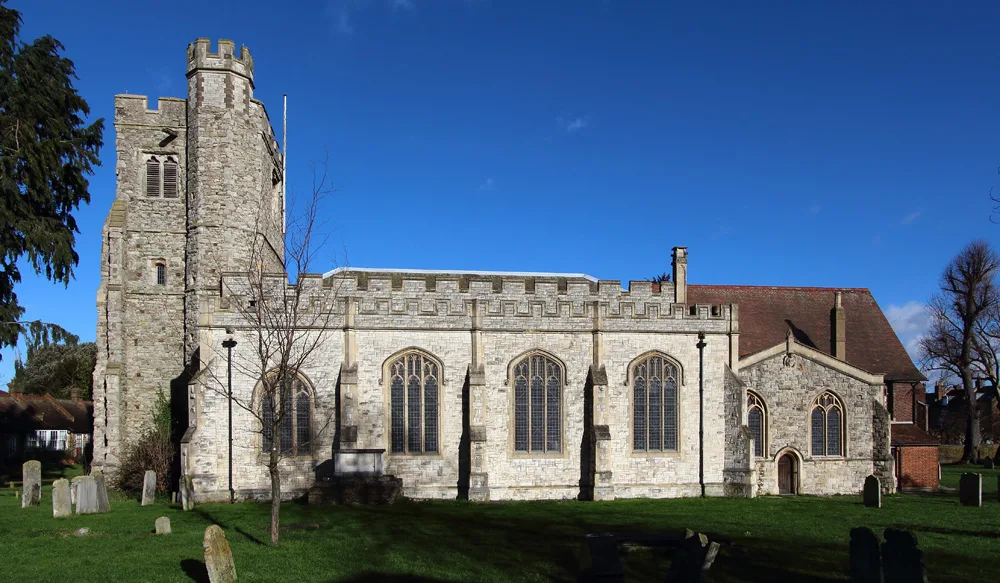
All Saints' Church, Edmonton
All Saints' Church, Edmonton — church in Edmonton, London.
More places in this region
 📷 5
📷 5Historic churches · South West England
Abbey Church of St Gregory the Great, Downside Abbey
Abbey Church of St Gregory the Great, Downside Abbey — church in Stratton-on-the-Fosse, Somerset, England, UK.
 📷 5
📷 5Historic churches · South West England
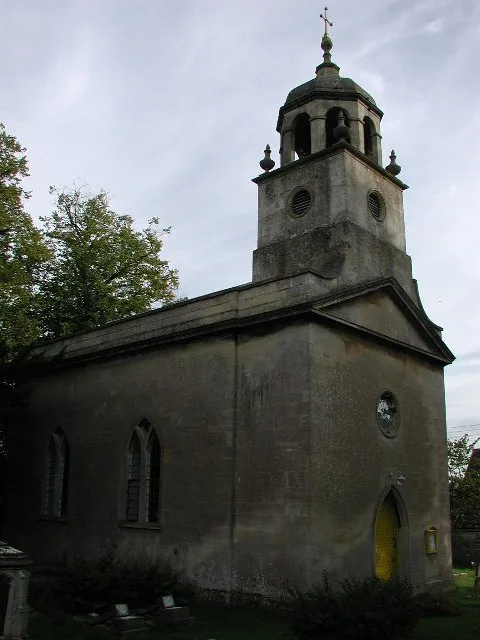
All Saints Church
All Saints Church — Grade I listed church in Woolley, Somerset, England, UK.
 📷 5
📷 5Historic churches · South West England
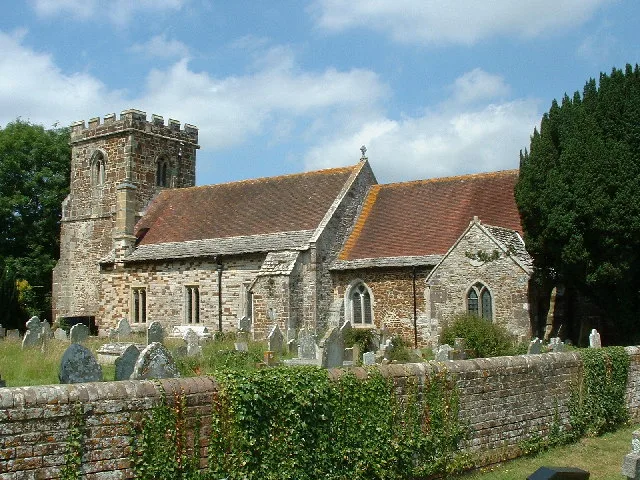
All Saints Church, Hampreston
All Saints Church, Hampreston — church in Hampreston, Dorset, England, UK.
 📷 5
📷 5Historic churches · South West England
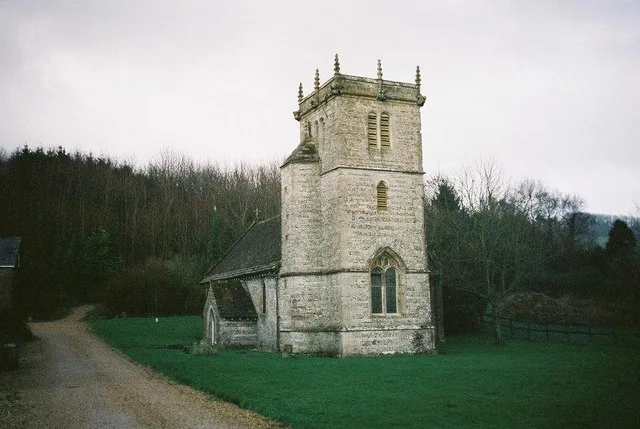
All Saints Church, Nether Cerne
All Saints Church, Nether Cerne — church in Nether Cerne, Dorset, England, UK.
Frequently asked questions
- Where is Church of St Morwenna and St John the Baptist, Morwenstow?
- Church of St Morwenna and St John the Baptist, Morwenstow is in South-West England, United Kingdom (postcode EX23 9SR), in the parish of Morwenstow.
- What is Church of St Morwenna and St John the Baptist, Morwenstow?
- Church of St Morwenna and St John the Baptist, Morwenstow — church in Morwenstow, Cornwall, England, UK.
- How do I get to Church of St Morwenna and St John the Baptist, Morwenstow?
- The nearest town is Morwenstow. Drivers can use postcode EX23 9SR.
- When was Church of St Morwenna and St John the Baptist, Morwenstow built?
- Built or established in 1150. Designed by James Piers St Aubyn.
- Is Church of St Morwenna and St John the Baptist, Morwenstow a listed building?
- Church of St Morwenna and St John the Baptist, Morwenstow is officially recognised as Grade I listed building listed.
- Is Church of St Morwenna and St John the Baptist, Morwenstow a protected site?
- Yes — Church of St Morwenna and St John the Baptist, Morwenstow is part of the Steeple Point to Marsland Mouth SSSI Site of Special Scientific Interest and the Cornwall National Landscape (AONB).
- Is Church of St Morwenna and St John the Baptist, Morwenstow free to visit?
- Yes, Church of St Morwenna and St John the Baptist, Morwenstow is free to enter.
- How do I get to Church of St Morwenna and St John the Baptist, Morwenstow?
- Drivers can navigate to postcode EX23 9SR. It sits within the North Cornwall parliamentary constituency.