
Historic churches · North West England
Church of St Luke, Liverpool
In or near Liverpool.
Church of St Luke, Liverpool — former church in Liverpool, Merseyside, England, UK.

Wikimedia Commons contributors — see linked file page for photographer and licence licence

Plan your visit
- Typical visit
- 30 min–1 h
- Nearest railway station
- Liverpool Central · 0.4 km
- Free entry
Getting there & planning your visit
To visit the Church of St Luke in Liverpool, you can take a train to Liverpool Central station, which is 0.4 km away. Entry to the church is free.
About
Church of St Luke, Liverpool is a historic church in the United Kingdom. Records date its origin to 1832. Designed by John Foster, Sr.. Built in the Gothic Revival style. Heritage designation: Grade II* listed building. Affiliated with Anglicanism. Wikidata describes it as: "former church in Liverpool, Merseyside, England, UK". Coordinates: 53.4017°, -2.9752°.
Photo gallery
360° viewimagery from 2020
Imagery © Mapillary contributors, CC BY-SA 4.0
Heritage listing
St Luke's Church, more commonly known by locals as the bombed-out church, is a former Anglican parish church in Liverpool, England. It stands on the corner of Berry Street and Leece Street, at the top of Bold Street. The church was built between 1811 and 1832, and was designed by John Foster, Sr. and John Foster, Jr., father and son who were successive surveyors for the municipal Corporation of Liverpool. In addition to being a parish church, it was also intended to be used as a venue for ceremonial worship by the corporation and as a concert hall. The church was badly damaged by bombs during the Liverpool Blitz in 1941 and has been a roofless shell ever since, giving rise to its nickname.
From the Historic England List Entry under OGL v3.
From the Wikipedia article
St Luke's Church, more commonly known by locals as the bombed-out church, is a former Anglican parish church in Liverpool, England. It stands on the corner of Berry Street and Leece Street, at the top of Bold Street. The church was built between 1811 and 1832, and was designed by John Foster, Sr. and John Foster, Jr., father and son who were successive surveyors for the municipal Corporation of Liverpool. In addition to being a parish church, it was also intended to be used as a venue for ceremonial worship by the corporation and as a concert hall. The church was badly damaged by bombs during the Liverpool Blitz in 1941 and has been a roofless shell ever since, giving rise to its nickname. It now stands as a memorial to those who died in the war, and has also been hired as a venue for exhibitions and events. The church and its surrounding walls, gates, and railings are recorded in the National Heritage List for England as designated Grade II* listed buildings.
Excerpt from Wikipedia under CC BY-SA 4.0. See the source article linked in Sources below.
Background
History
The site for the church was given by Edward Smith-Stanley, 12th Earl of Derby in 1791 on the condition that the land should never be used for any other purpose than that of a church. Building work, supervised by Foster, progressed slowly, and during this time the plans were amended to make the building suitable both as a ceremonial place of worship for members of the corporation, and also for use as a concert hall. The building was finally completed in 1832. Between 1864 and 1873, minor alterations were made to the church by W. & G. Audsley. The church was designated as a Grade II* listed building on 28 June 1952. This is the middle of the three grades, which is defined by English Heritage…
Visiting
From 2007 to 2014, Urban Strawberry Lunch organised the day-to-day maintenance of St Lukes and coordinated exhibitions and events inside the grounds. In addition to this, they arranged showings of films, and many dance, poetry, and drama performances. In 2014, Ambrose Reynolds, former artistic director for Urban Strawberry Lunch, joined other members of the community to create a new organisation, 'Bombed Out Church'; named after the building's colloquial name. They have since continued the work started by USL, maintaining the church as a creative hub for the local community. Since 1981, the bombed out church has been commemorated in the name of the local Church of England parish: , the St…
Sourced from Wikipedia under CC BY-SA 4.0.
- Coordinates
- 53.4017, -2.9752
- District
- Liverpool
- Parish
- Liverpool, unparished area
- Postcode
- L1 9DN
- Parliamentary constituency
- Liverpool Riverside
- Established
- 1832
- Nearest railway station
- Liverpool Central — 0.4 km
Sources
- wikidata: Q5117482 (CC0)
- wikipedia: Church of St Luke, Liverpool (CC BY-SA 4.0)
- commons: The bombed out St Luke's Church - geograph.org.uk - 1206139.jpg (CC BY-SA 4.0)
Other places nearby

All Together Now
Memorials & monuments · 0.0 km

static
Galleries · 0.1 km

Picturehouse @ FACT
Theatres · 0.1 km
Chun Alley
Natural landmarks · 0.1 km

62 Rodney Street, Liverpool
Historic houses · 0.1 km

20-28, Duke's Terrace
Gardens · 0.2 km

Graffiti alley
Public art & sculpture · 0.2 km

FACT Liverpool
Theatres · 0.2 km

The Whitehouse
Historic pubs · 0.2 km

Unity Theatre
Open-air theatres · 0.2 km
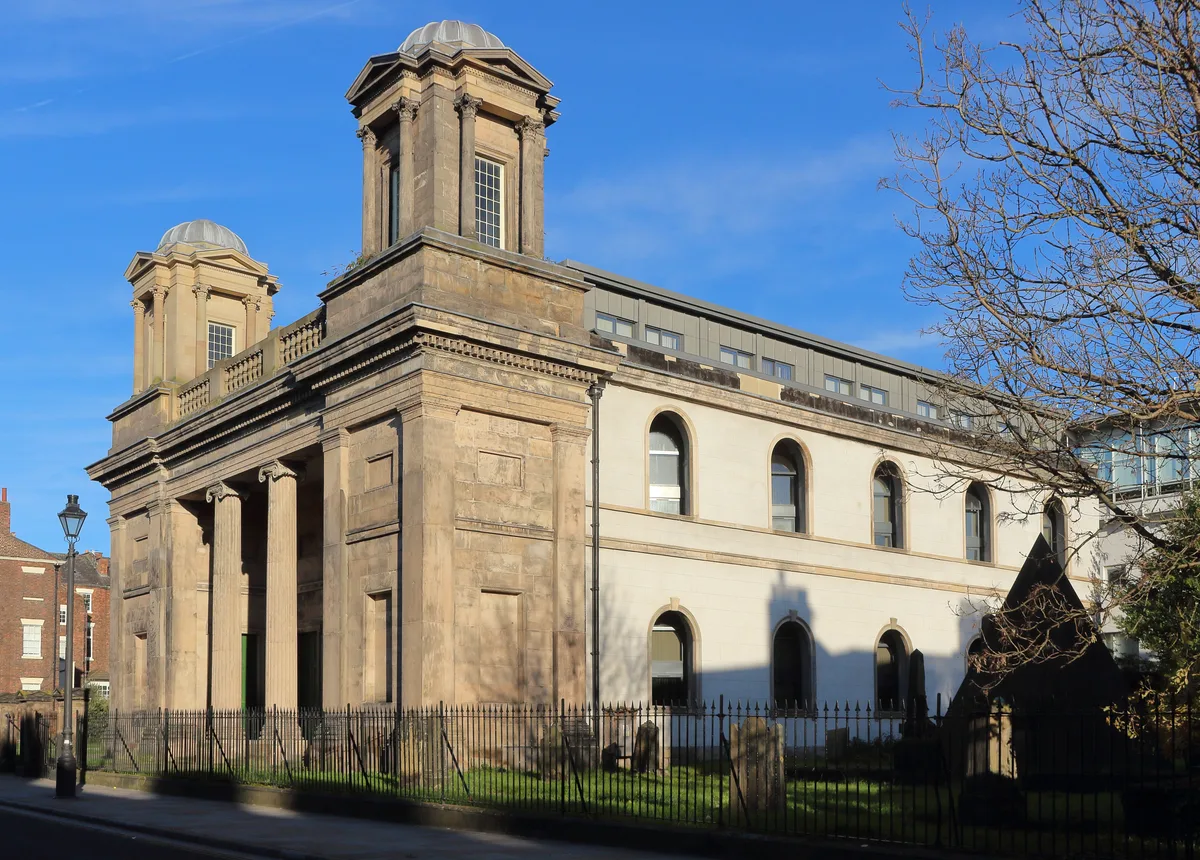
Church of Saint Andrew, Liverpool
Historic churches · 0.2 km
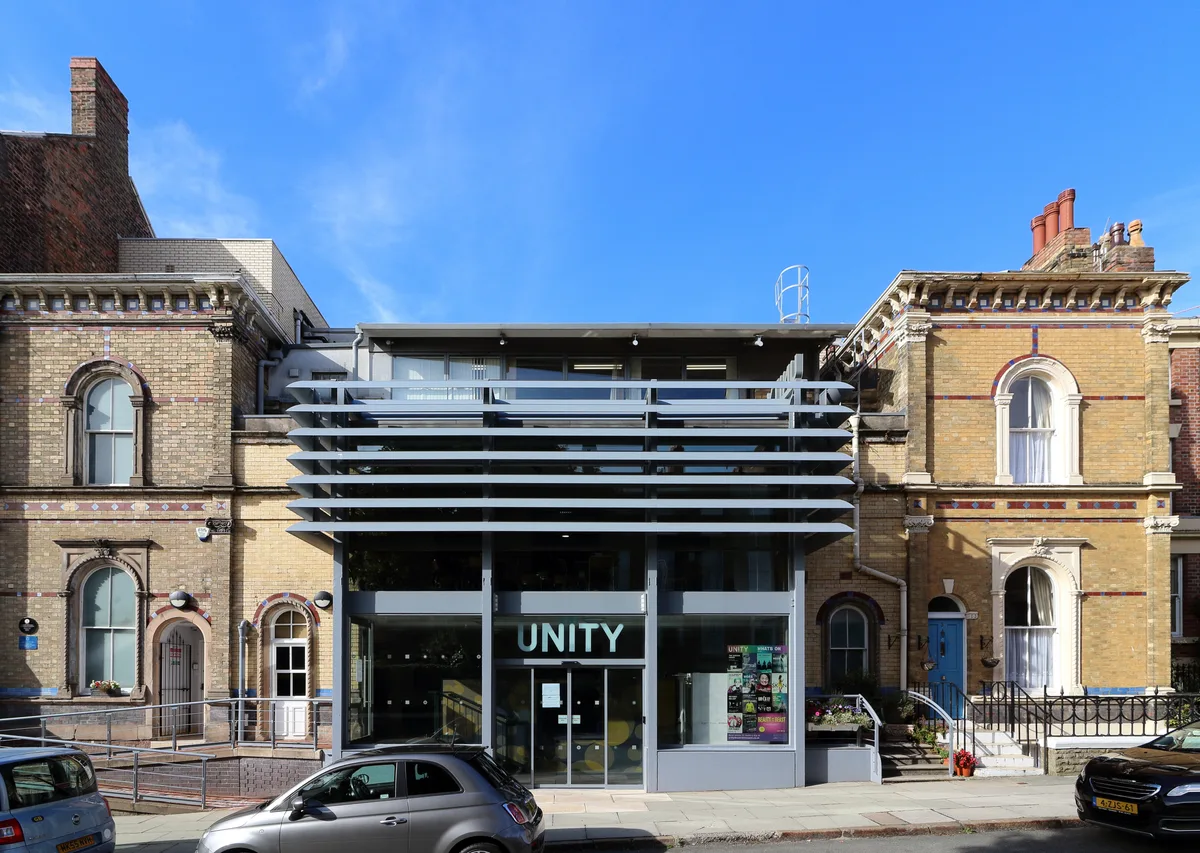
The Unity Theatre
Theatres · 0.2 km
Nearby
📷 3Memorials & monuments · North West England
All Together Now
All Together Now is a memorial in the United Kingdom.
📷 3Galleries · North West England
static
static — a gallery in wales-north, United Kingdom.
📷 3Theatres · North West England
Picturehouse @ FACT
Picturehouse @ FACT in Wales North, United Kingdom.
📷 3Natural landmarks · North West England
Chun Alley
Chun Alley — a other in wales-north, United Kingdom.
📷 3Historic houses · North West England
62 Rodney Street, Liverpool
62 Rodney Street, Liverpool — Grade II* listed birthplace of former British Prime Minister William Gladstone.
📷 4Gardens · North West England
20-28, Duke's Terrace
20-28, Duke's Terrace — a garden in wales-north, United Kingdom.
Where to eat & stay near Church of St Luke, Liverpool
Places to stay
 📷 5
📷 5 📷 5
📷 5Hostels · North West England
International Inn
International Inn — a hostel in wales north.
 📷 5
📷 5Hotels · North West England
Hope Street Hotel
Hope Street Hotel — a hotel in wales north.
 📷 7
📷 7Hotels · North West England
Maldron Hotel
Maldron Hotel — a hotel in wales north.
 📷 5📷 5
Places to eat & drink
📷 7📷 5 📷 5
📷 5Historic pubs · North West England
Philharmonic Dining Rooms
Philharmonic Dining Rooms in Wales North, United Kingdom.
 ★ Iconic📷 4
Historic pubs · North West England
The Philharmonic Dining Rooms
Britain's only Grade I-listed pub interior, with the famous marble urinals.
 📷 6
📷 6Historic pubs · North West England
The Vines Public House
The Vines Public House in Wales North, United Kingdom.
 📷 5
📷 5Historic pubs · North West England
Crown Hotel
Crown Hotel in Wales North, United Kingdom.
Other places from this era
 📷 5
📷 5Historic churches · London
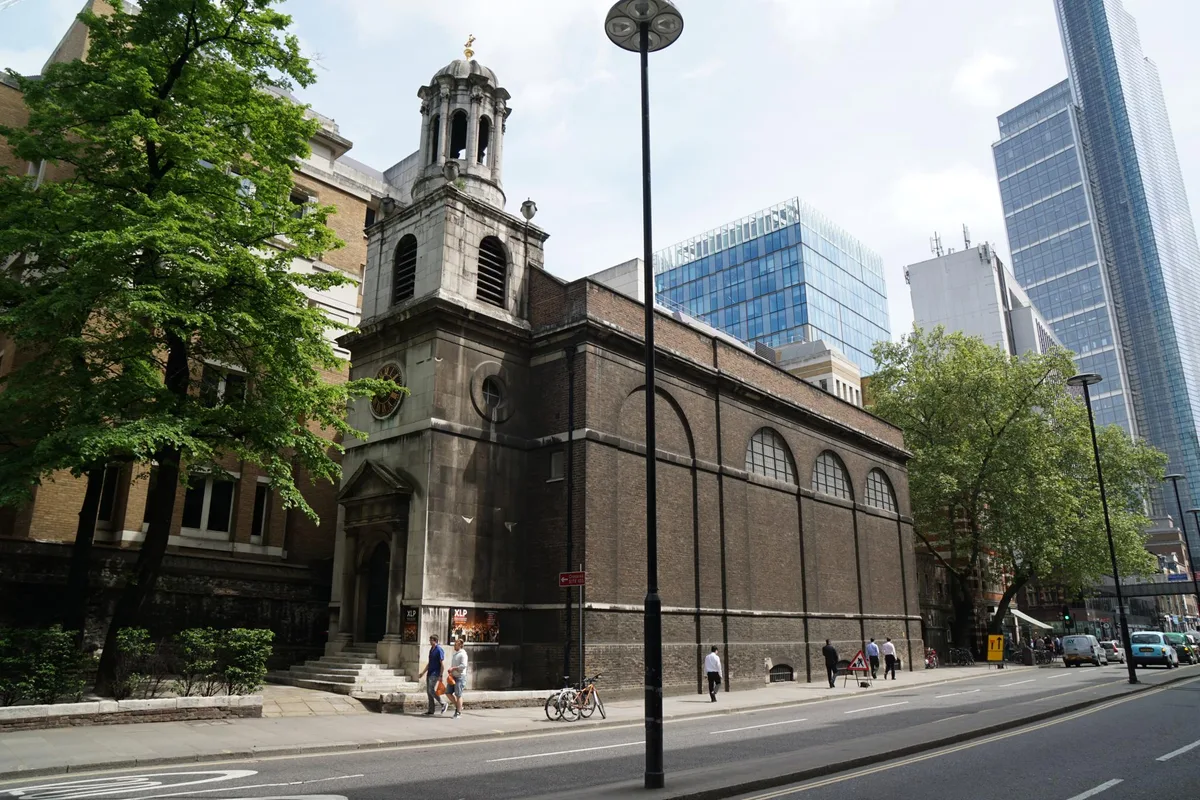
All Hallows-on-the-Wall
All Hallows-on-the-Wall — church in City of London, UK.
 📷 5
📷 5Historic churches · London
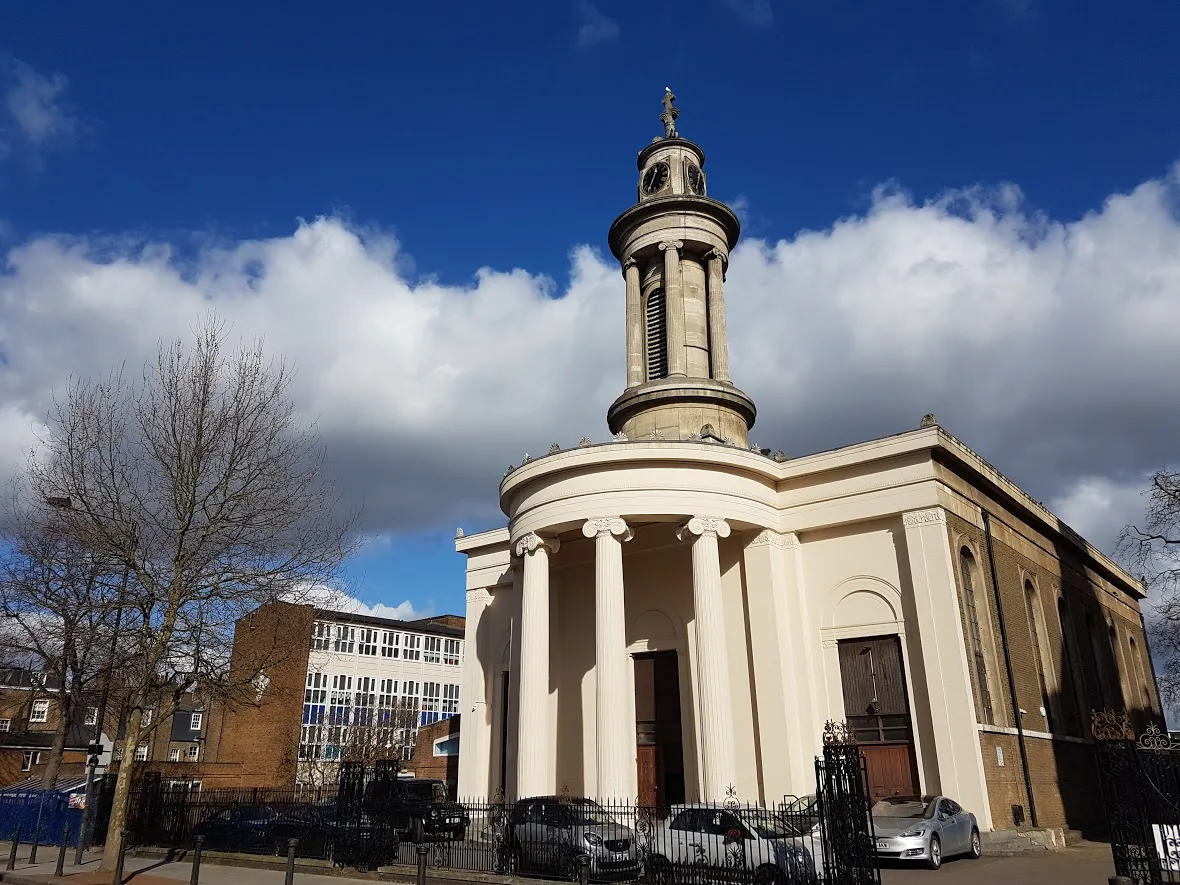
All Saints, Camden Town
All Saints, Camden Town — Greek Orthodox cathedral church in London, UK.
 📷 5
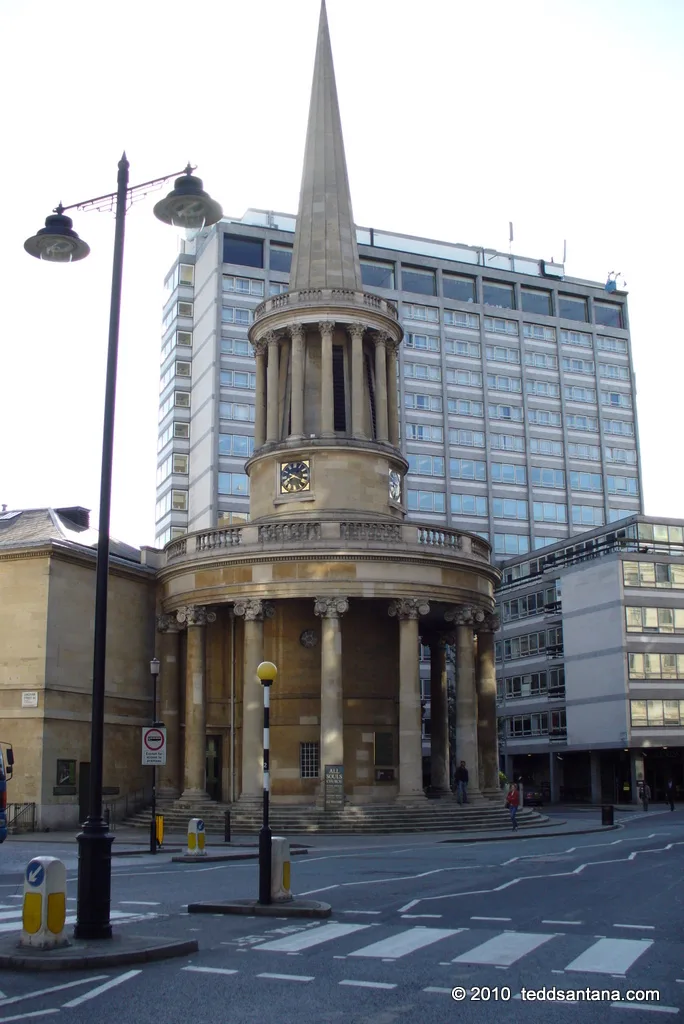
📷 5Historic churches · London
All Souls Church, Langham Place
All Souls Church, Langham Place — church building in Westminster, London, England, UK.
 📷 5
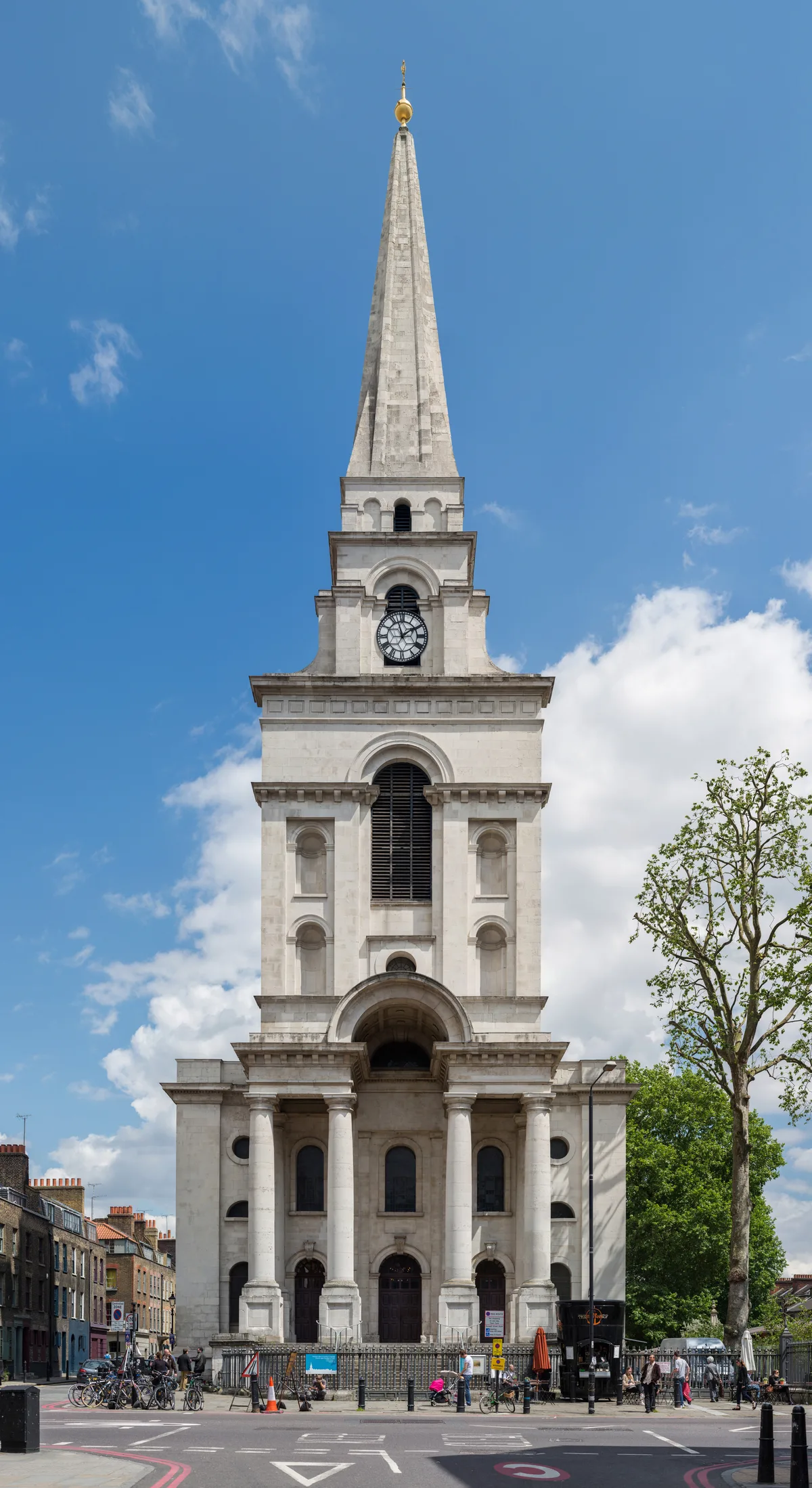
📷 5Historic churches · London
Christ Church, Spitalfields
Christ Church, Spitalfields — church in Spitalfields, London.
More places in this region
 📷 3
📷 3Historic churches · North West England
All Saints Chapel, Somerford
All Saints Chapel, Somerford — church in Cheshire East, Cheshire, England, UK.
 📷 3
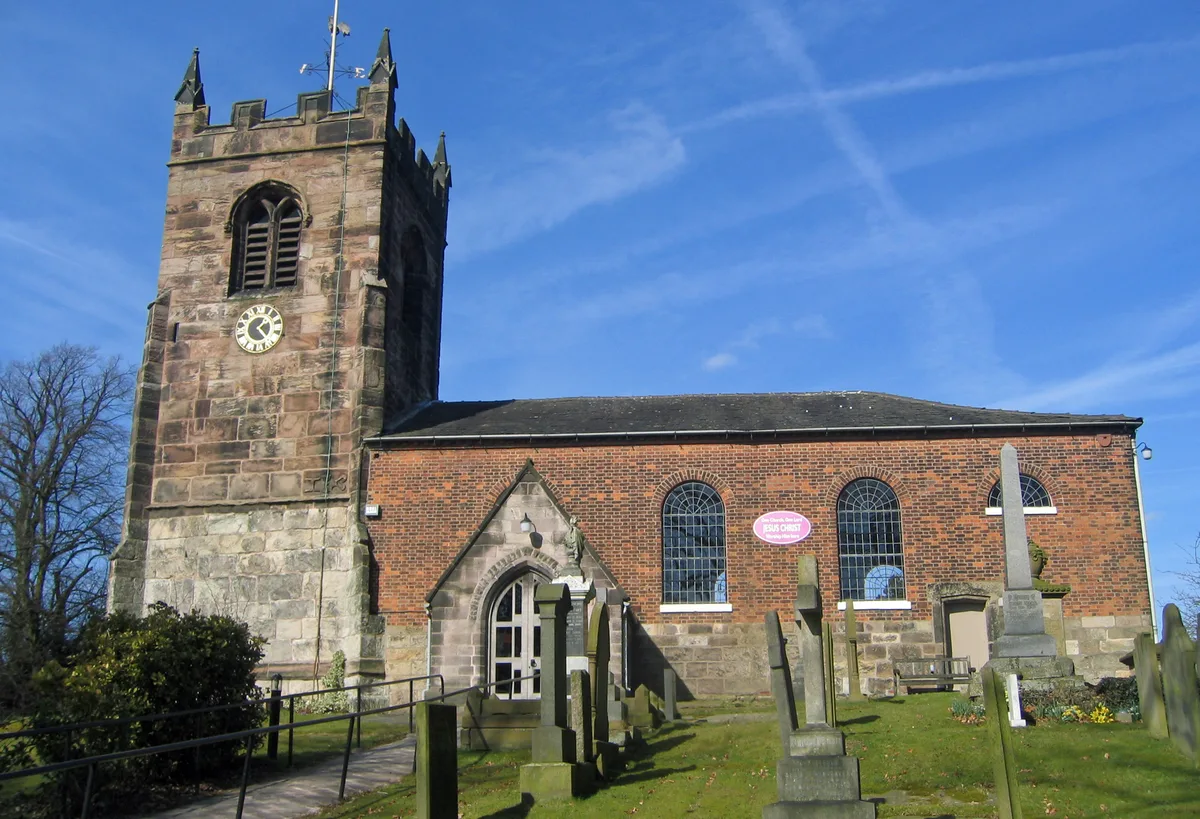
📷 3Historic churches · North West England
All Saints Church, Church Lawton
All Saints Church, Church Lawton — Grade II* listed church in Church Lawton, Cheshire East, Cheshire, England, UK.
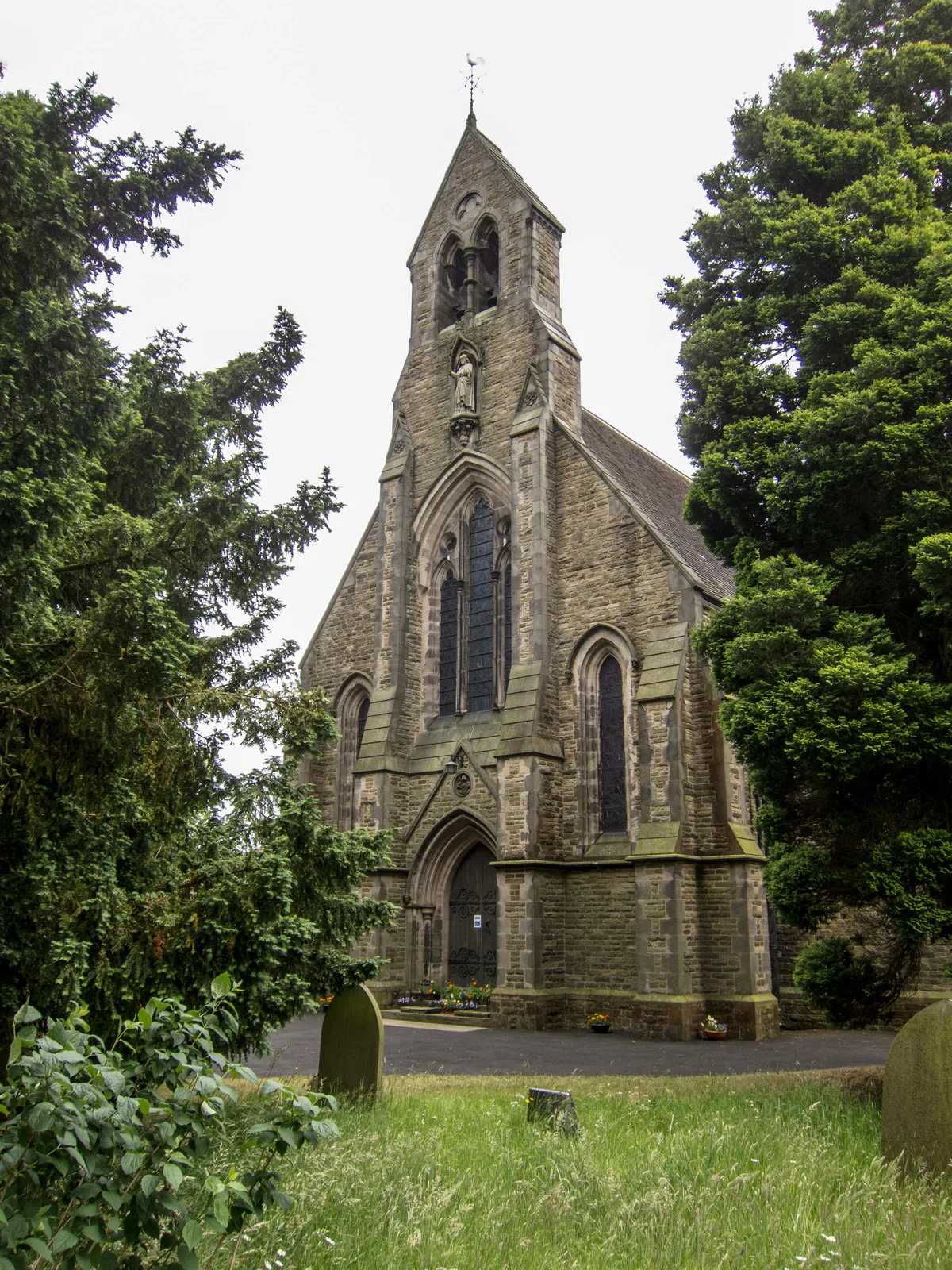 📷 3
📷 3Historic churches · North West England
All Saints Church, Scholar Green
All Saints Church, Scholar Green — church in Cheshire East, Cheshire, England, UK.
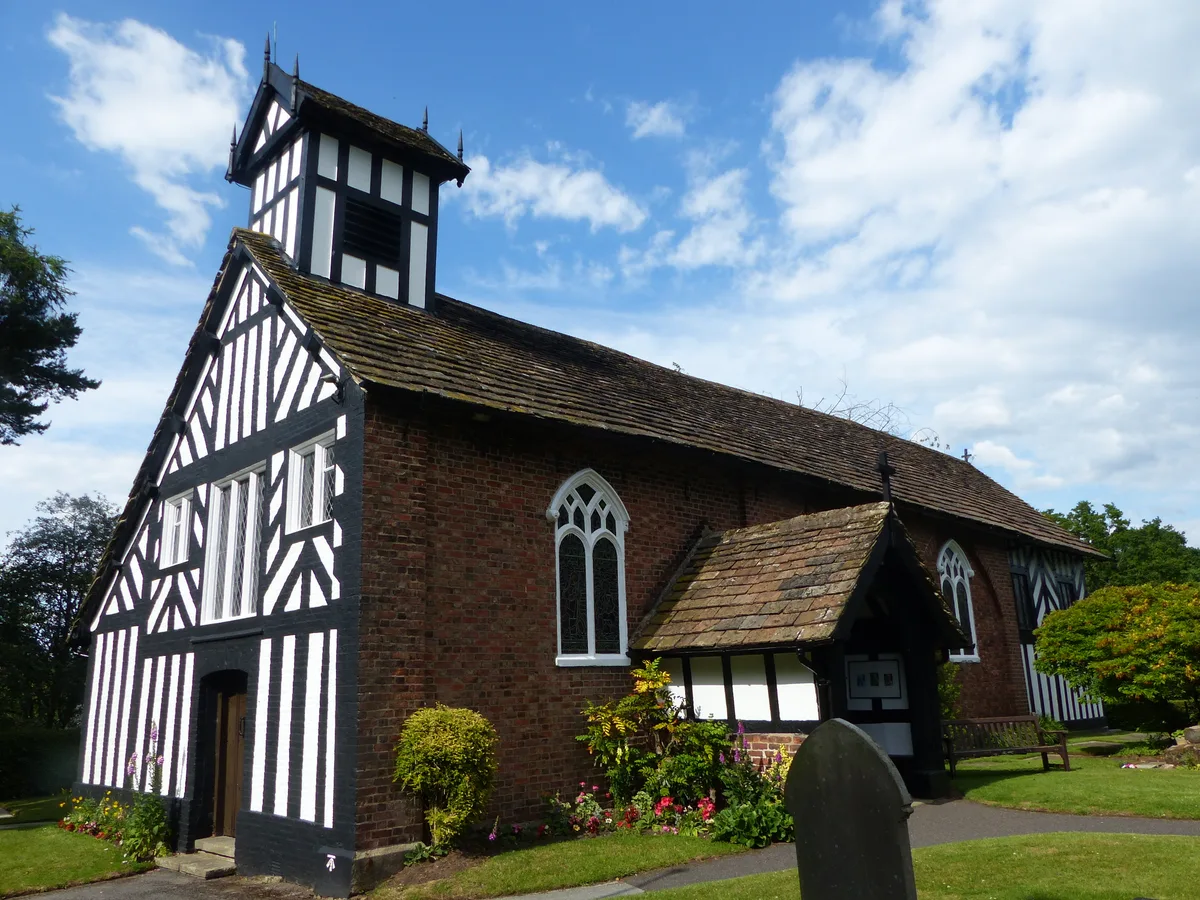 📷 3
📷 3Historic churches · North West England
All Saints Church, Siddington
All Saints Church, Siddington — church in Cheshire East, Cheshire, England, UK.
Frequently asked questions
- Where is Church of St Luke, Liverpool?
- Church of St Luke, Liverpool is in North-West England, United Kingdom (postcode L1 9DN), in the parish of Liverpool, unparished area.
- What is Church of St Luke, Liverpool?
- Church of St Luke, Liverpool — former church in Liverpool, Merseyside, England, UK.
- How do I get to Church of St Luke, Liverpool?
- The nearest railway station is Liverpool Central, about 0.4 km away. The nearest town is Liverpool. Drivers can use postcode L1 9DN.
- When was Church of St Luke, Liverpool built?
- Built or established in 1832. Designed by John Foster, Sr..
- Is Church of St Luke, Liverpool a listed building?
- Church of St Luke, Liverpool is officially recognised as Grade II* listed building listed.
- Is Church of St Luke, Liverpool free to visit?
- Yes, Church of St Luke, Liverpool is free to enter.
- How do I get to Church of St Luke, Liverpool?
- The nearest railway station is Liverpool Central, about 0.4 km away. Drivers can navigate to postcode L1 9DN.