
Historic churches · North Wales
Church of St Hywyn
Church of St Hywyn — Grade I listed building-listed church in wales-north, United Kingdom.

Llywelyn2000 — CC BY-SA 4.0 via Wikimedia Commons licence
_Gwynedd%2C_Wales_04.jpg)
Plan your visit
- Typical visit
- 30 min–1 h
- Free entry
Getting there & planning your visit
The Church of St Hywyn is located in Gwynedd, North Wales, with the postcode LL53 8BE. Entry is free. There is no nearest railway station mentioned, so please plan accordingly.
About
Church of St Hywyn is a Grade I listed building-listed church in wales-north, United Kingdom, registered on the Cadw register of listed buildings (Wales) (entry 4225). Listed status protects buildings and structures of special architectural or historic interest. See the linked Wikipedia article for further details.
Photo gallery
Heritage listing
The Church of St Hywyn, Aberdaron, Gwynedd, Wales, is a parish church dating from the 12th century. Its origins are earlier, as a clas church from the 5th to the 7th centuries. Further building, including the construction of the second nave, took place in the late 15th or early 16th centuries. Its importance was as an embarkation point for the abbey on Bardsey Island which became a significant site of pilgrimage in the Middle Ages. The Reformation saw the church's decline, and by the 19th century it was a ruin. In the 1850s a new church, Eglwys Newydd, was constructed inland, but proved so unpopular that St Hywyn's was restored. The Welsh poet R. S.
From Cadw under OGL v3.
From the Wikipedia article
The Church of St Hywyn, Aberdaron, Gwynedd, Wales, is a parish church dating from the 12th century. Its origins are earlier, as a clas church from the 5th to the 7th centuries. Further building, including the construction of the second nave, took place in the late 15th or early 16th centuries. Its importance was as an embarkation point for the abbey on Bardsey Island which became a significant site of pilgrimage in the Middle Ages. The Reformation saw the church's decline, and by the 19th century it was a ruin. In the 1850s a new church, Eglwys Newydd, was constructed inland, but proved so unpopular that St Hywyn's was restored. The Welsh poet R. S. Thomas was minister at the church, which is a Grade I listed building.
Excerpt from Wikipedia under CC BY-SA 4.0. See the source article linked in Sources below.
Background
History
The origins of the church are as a clas settlement from the Dark Ages of the 5th to the 7th centuries. The clas was founded by St Hywyn, an early Welsh Saint originally from Brittany. The settlement rose in importance after 1190 when Bardsey Island, the "Island of 20,000 Saints", and St Davids in Pembrokeshire were declared places of pilgrimage by the Papacy. The writer Simon Jenkins notes that visits to both sites equated to a single pilgrimage to Rome. St Hywyn's expanded greatly to accommodate the very large numbers of pilgrims sailing to Bardsey Abbey, who were fed and watered in the Great Kitchen (Y Gegin Fawr) next to the church. The present building is first recorded in 1115 and…
Architecture
The church comprises two naves, of equal length but of differing dates; the Northern is largely 12th century while the Southern dates from the 14th century. The building is constructed of rubble with slate roofs and a bellcote. The internal arcade is of the 15th century The church is a Grade I listed building, its listing recording the church as "one of the major churches of the Lleyn".
Sourced from Wikipedia under CC BY-SA 4.0.
- Coordinates
- 52.8038, -4.7114
- District
- Gwynedd
- Parish
- Aberdaron
- Postcode
- LL53 8BE
- Parliamentary constituency
- Dwyfor Meirionnydd
- Established
- 1101
Sources
- wikidata: Q17738004 (CC0)
- wikipedia: St Hywyn's Church, Aberdaron (CC BY-SA 4.0)
Other places nearby
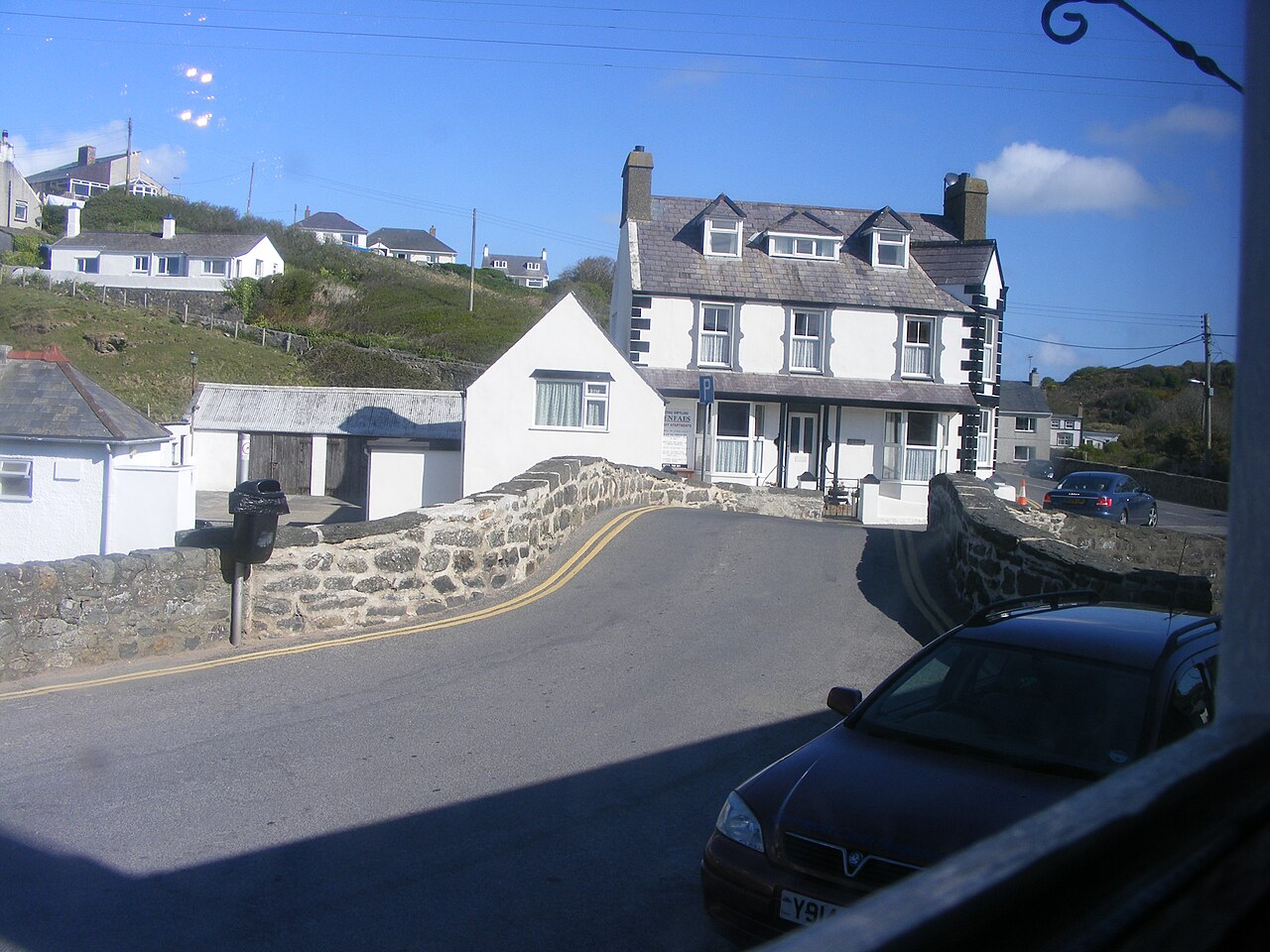
Gwesty'r Llong
Hotels · 0.1 km

Porth Y Swnt
Museums · 0.1 km

Banc Sidan
Beaches · 0.2 km

Morfa Mawr Caravan And Camping Site
Campsites · 0.3 km

Porth Samddai
Beaches · 0.4 km

Aberdaron
Historic churches · 0.5 km

Caerau Farm Caravan & Campsite
Campsites · 0.6 km

Dwyros
Campsites · 0.6 km

Traeth Aberdaron
Beaches · 0.7 km

Bwrdd Mawr
Caves · 0.8 km

Aberdaron New Church
Historic churches · 0.9 km

Morawel Caravan & Camp Site
Campsites · 1.2 km
Nearby
📷 6Hotels · North Wales
Gwesty'r Llong
Gwesty'r Llong — a hotel in wales north.
📷 3📷 3📷 5Campsites · North Wales
Morfa Mawr Caravan And Camping Site
Morfa Mawr Caravan And Camping Site — a campsite in wales north.
📷 3📷 5Historic churches · North Wales
Aberdaron
Aberdaron (Welsh pronunciation: [abɛrˈdarɔn]) is a community, electoral ward and former fishing village at the western tip of the Llŷn Peninsula in the Welsh county of Gwynedd. It lies 14.8 miles (23.
Where to eat & stay near Church of St Hywyn
Places to stay
📷 6Hotels · North Wales
Gwesty'r Llong
Gwesty'r Llong — a hotel in wales north.
📷 5Campsites · North Wales
Morfa Mawr Caravan And Camping Site
Morfa Mawr Caravan And Camping Site — a campsite in wales north.
📷 5Campsites · North Wales
Caerau Farm Caravan & Campsite
Caerau Farm Caravan & Campsite — a campsite in wales north.
📷 5📷 5Campsites · North Wales
Morawel Caravan & Camp Site
Morawel Caravan & Camp Site — a campsite in wales north.
 📷 3
📷 3Places to eat & drink
 📷 5
📷 5More places in this region
 📷 3
📷 3Historic churches · North Wales
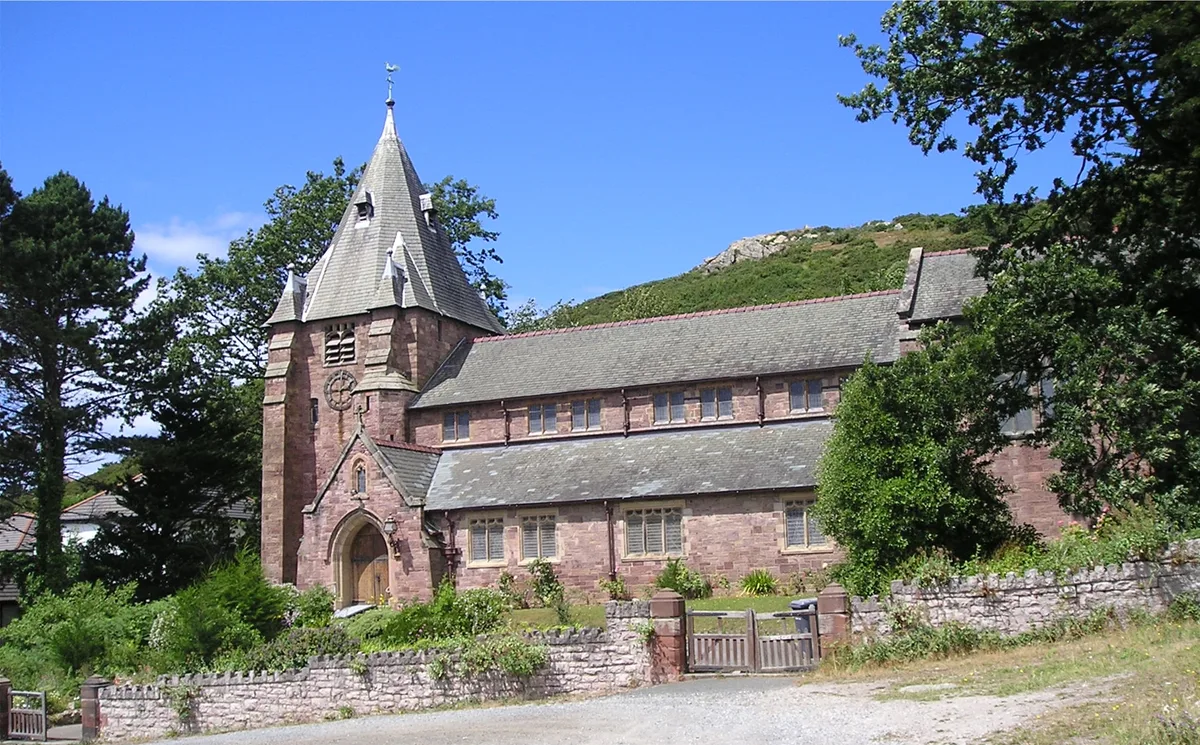
All Saints Church
All Saints Church — Anglican church in Deganwy, Wales.
 📷 3
📷 3Historic churches · North Wales
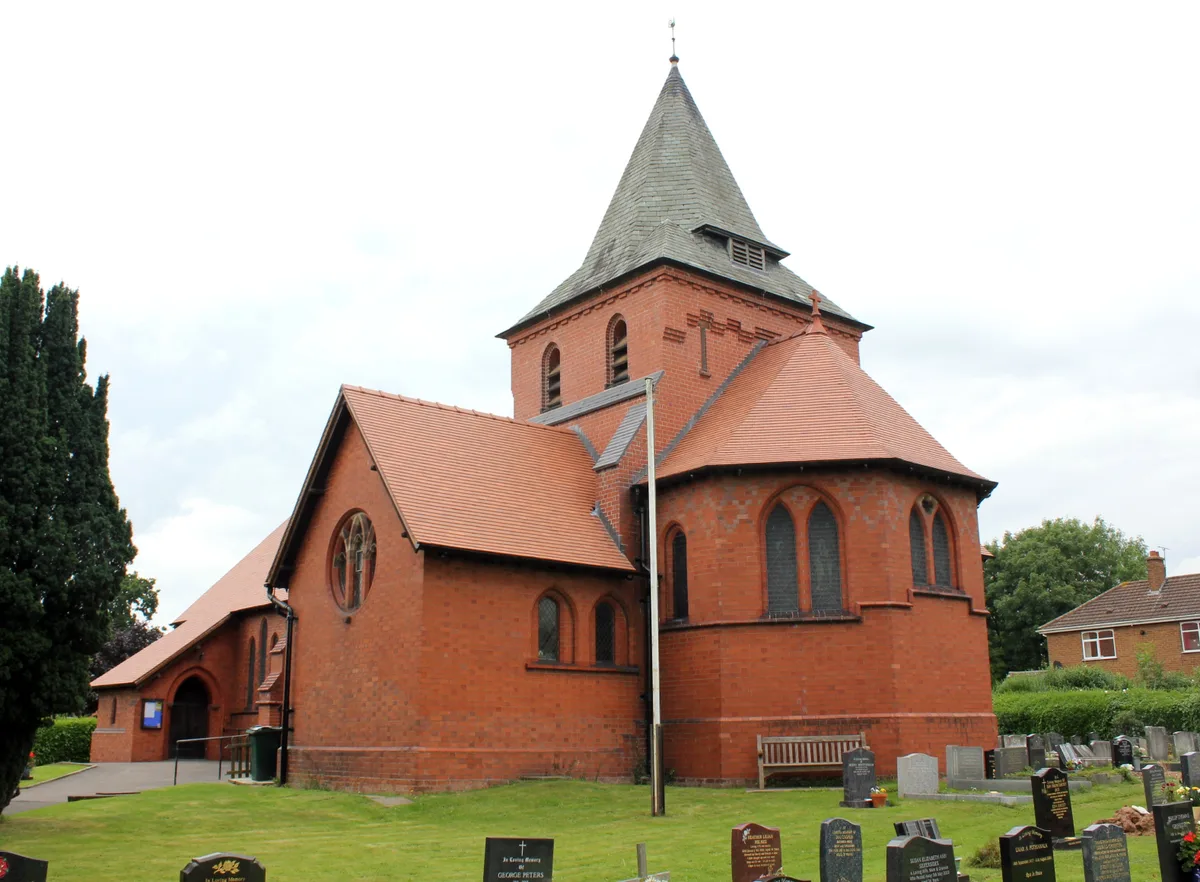
All Saints Church, Great Saughall
All Saints Church, Great Saughall — grade II listed church in Saughall, Cheshire West and Chester, Cheshire, England, UK.
 📷 3
📷 3Historic churches · North Wales
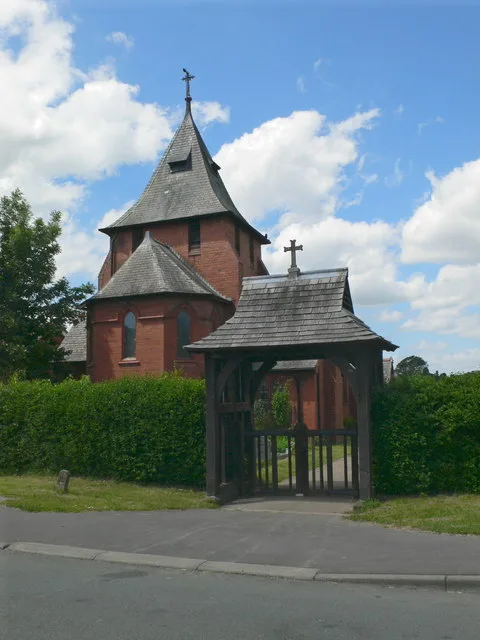
All Saints Church, Higher Kinnerton
All Saints Church, Higher Kinnerton — church in United Kingdom.
 📷 3
📷 3Historic churches · North Wales
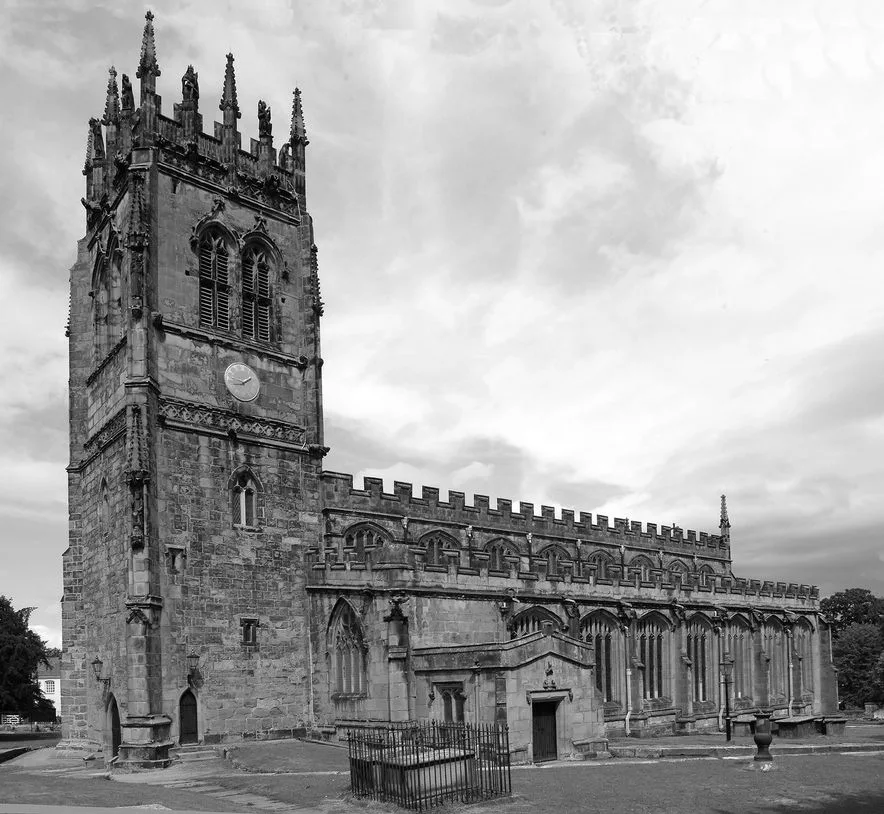
All Saints' Church, Gresford
All Saints' Church, Gresford — church in Gresford, north Wales.
Frequently asked questions
- Where is Church of St Hywyn?
- Church of St Hywyn is in North Wales, United Kingdom (postcode LL53 8BE), in the parish of Aberdaron.
- What is Church of St Hywyn?
- Church of St Hywyn — Grade I listed building-listed church in wales-north, United Kingdom.
- How do I get to Church of St Hywyn?
- Drivers can use postcode LL53 8BE.
- When was Church of St Hywyn built?
- Built or established in 1101.
- Is Church of St Hywyn a listed building?
- Church of St Hywyn is officially recognised as Grade I listed building listed.
- Is Church of St Hywyn free to visit?
- Yes, Church of St Hywyn is free to enter.
- How do I get to Church of St Hywyn?
- Drivers can navigate to postcode LL53 8BE. It sits within the Dwyfor Meirionnydd parliamentary constituency.