
Historic churches · South West England
Church of St Candida and Holy Cross, Whitchurch Canonicorum
In or near Whitchurch Canonicorum.
Church of St Candida and Holy Cross, Whitchurch Canonicorum — Grade I listed church in Whitchurch Canonicorum, Dorset, England, UK.

Wikimedia Commons contributors — see linked file page for photographer and licence licence

Plan your visit
- Typical visit
- 30 min–1 h
- Free entry
Getting there & planning your visit
The Church of St Candida and Holy Cross is located in Whitchurch Canonicorum, Dorset, with the postcode DT6 6RQ. Entry is free. There is no nearest railway station mentioned, so please plan your visit accordingly.
About
Church of St Candida and Holy Cross, Whitchurch Canonicorum is a historic church in the United Kingdom. Records date its origin to 1150. Built in the English Gothic architecture style. Heritage designation: Grade I listed building. Affiliated with Anglicanism. Wikidata describes it as: "Grade I listed church in Whitchurch Canonicorum, Dorset, England, UK". Coordinates: 50.7554°, -2.8565°.
Photo gallery
Heritage listing
The Church of St Candida and Holy Cross is an Anglican church in Whitchurch Canonicorum, Dorset, England. A Saxon church stood on the site but nothing remains of that structure. The earliest parts of the church date from the 12th century when it was rebuilt by Benedictine monks. Further major rebuilding work took place in the 13th century and in the 14th century the church's prominent tower was constructed. The church features some Norman architectural features but is predominantly Early English and Perpendicular. George Somers, founder of the colony of Bermuda, is buried under the vestry and the assassinated Bulgarian dissident Georgi Markov is interred in the churchyard.
From the Historic England List Entry under OGL v3.
Official information
The Church of St Candida and Holy Cross, located in Whitchurch Canonicorum, is a historic church with significant religious importance. It serves the local community and hosts various services and events throughout the year.
Protected designations
- Area of Outstanding Natural Beauty: Dorset
Designations sourced from Natural England open data under OGL v3.
From the Wikipedia article
The Church of St Candida and Holy Cross is an Anglican church in Whitchurch Canonicorum, Dorset, England. A Saxon church stood on the site but nothing remains of that structure. The earliest parts of the church date from the 12th century when it was rebuilt by Benedictine monks. Further major rebuilding work took place in the 13th century and in the 14th century the church's prominent tower was constructed. The church features some Norman architectural features but is predominantly Early English and Perpendicular. George Somers, founder of the colony of Bermuda, is buried under the vestry and the assassinated Bulgarian dissident Georgi Markov is interred in the churchyard. It is an active Church of England parish church in the deanery of Lyme Bay, the archdeaconry of Sherborne, and the diocese of Salisbury. It is one of only two parish churches in the country to have a shrine that contains the relics of their patron saint. The relics belong to St. Candida (the Latin form of Saint Wite) to whom the church is dedicated. The church been designated by English Heritage as a Grade I listed building.
Excerpt from Wikipedia under CC BY-SA 4.0. See the source article linked in Sources below.
Background
History
The church lies on the northern edge of Whitchurch Canonicorum, a small village in the Marshwood Vale in west Dorset. Alfred the Great founded a church on the site in the 9th century named Hwitan Cyrican ("White Church" or "Whitchurch") and bequeathed it to his youngest son Æthelweard.|group=Note}} However, nothing significant remains of that structure. In the 11th century William the Conqueror gave ownership of the church to the monks of St Wandrille's monastery in Normandy, France. They began a major reconstruction and expansion of the building in the 12th century. In 1190 the monks sold or gave the church and benefice to the Bishop of Salisbury and in the early 13th century it was handed…
Architecture
The church is a typical cruciform shape and is a mixture of architectural styles. It is the most complete example of Early English architecture in Dorset: the heart of the church—the nave and transepts—were built in this style. It also incorporates some Norman features and significant Perpendicular additions. It was constructed in Lias ashlar stone with slate roofs and has a nave with clerestory, north and south aisles, north and south transepts, a west tower, chancel, south porch and south vestry. The tower's west doorway has spandrels containing plant-motifs below a quatrefoil. Above the doorway sits a transomed window flanked by empty canopied statue niches.{{refn|The fate of the statues…
Sourced from Wikipedia under CC BY-SA 4.0.
- Coordinates
- 50.7554, -2.8565
- District
- Dorset
- Parish
- Whitchurch Canonicorum
- Postcode
- DT6 6RQ
- Parliamentary constituency
- West Dorset
- Established
- 1150
- Opening
- Monday to Saturday 10am to 3pm; Sunday 12.30 to 3pm
- Official site
- cathedralofthevale.co.uk
Sources
- wikidata: Q5117382 (CC0)
- wikipedia: Church of St Candida and Holy Cross (CC BY-SA 4.0)
- commons: Whitchurch Canonicorum, Parish Church of St Candida and Holy Cross - geograph.org.uk - 1338287.jpg (CC BY-SA 4.0)
Other places nearby

Whitchurch Canonicorum
Villages · 0.3 km

Whitchurch Canonicorum
Towns & cities · 0.8 km

Morcombelake
Villages · 1.4 km
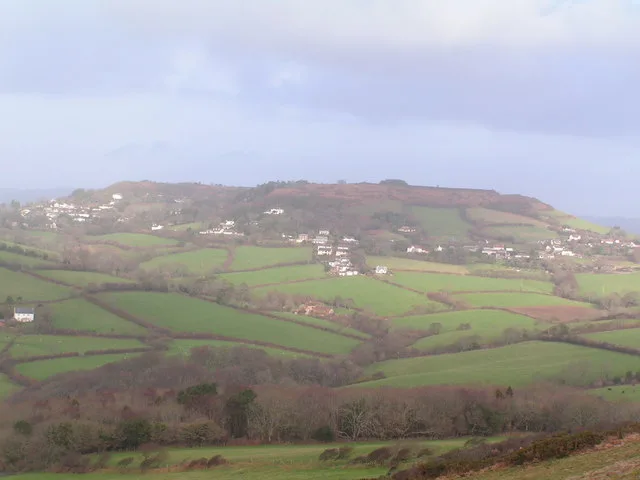
Hardown Hill
Mountains & hills · 1.4 km

Chardown Hill
Mountains & hills · 1.7 km

Conegar Hill
Mountains & hills · 1.8 km

Coppet Hill
Mountains & hills · 2.2 km
Coppet Hill
Mountains & hills · 2.2 km

Dolphins River
Caravan parks · 2.2 km

Marshwood Castle
Castles · 2.4 km

The Dorset Hideaway
Campsites · 2.5 km

Langdon Hill
Natural landmarks · 2.9 km
Nearby
📷 5Villages · South West England
Whitchurch Canonicorum
Whitchurch Canonicorum — a village in england south west.
Flagship📷 10Towns & cities · South West England
Whitchurch Canonicorum
Whitchurch Canonicorum — village and civil parish in southwest Dorset, England.
📷 5📷 5📷 4Mountains & hills · South West England
Chardown Hill
Chardown Hill — a mountain in england-south-west, United Kingdom, 194 m.
📷 5Mountains & hills · South West England
Conegar Hill
Conegar Hill — a hill or mountain in england south west.
Where to eat & stay near Church of St Candida and Holy Cross, Whitchurch Canonicorum
Places to stay
📷 5Caravan parks · South West England
Dolphins River
Dolphins River — a caravan park in england south west.
📷 5Campsites · South West England
The Dorset Hideaway
The Dorset Hideaway — a campsite in england south west.
 📷 5
📷 5Caravan parks · South West England
Newlands Holiday Camp
Newlands Holiday Camp — a caravan park in england south west.
 📷 5
📷 5Campsites · South West England
Manor Farm Caravan and Camping Site
Manor Farm Caravan and Camping Site — a campsite in england south west.
 📷 5
📷 5Caravan parks · South West England
Manor Farm Holiday Centre
Manor Farm Holiday Centre — a caravan park in england south west.
 📷 5
📷 5Caravan parks · South West England
Seadown Holiday Park
Seadown Holiday Park — a caravan park in england south west.
Places to eat & drink
 📷 6
📷 6Historic pubs · South West England
Clock House Hotel
Clock House Hotel in England South West, United Kingdom.
 📷 7
📷 7Historic pubs · South West England
Charmouth House Hotel
Charmouth House Hotel in England South West, United Kingdom.
 📷 5
📷 5Historic pubs · South West England
Pilot Boat Hotel
Pilot Boat Hotel in England South West, United Kingdom.
 📷 7
📷 7Historic pubs · South West England
Royal Lion Hotel
Royal Lion Hotel in England South West, United Kingdom.
 📷 7
📷 7 📷 5
📷 5Other places from this era
 📷 5
📷 5Historic churches · London
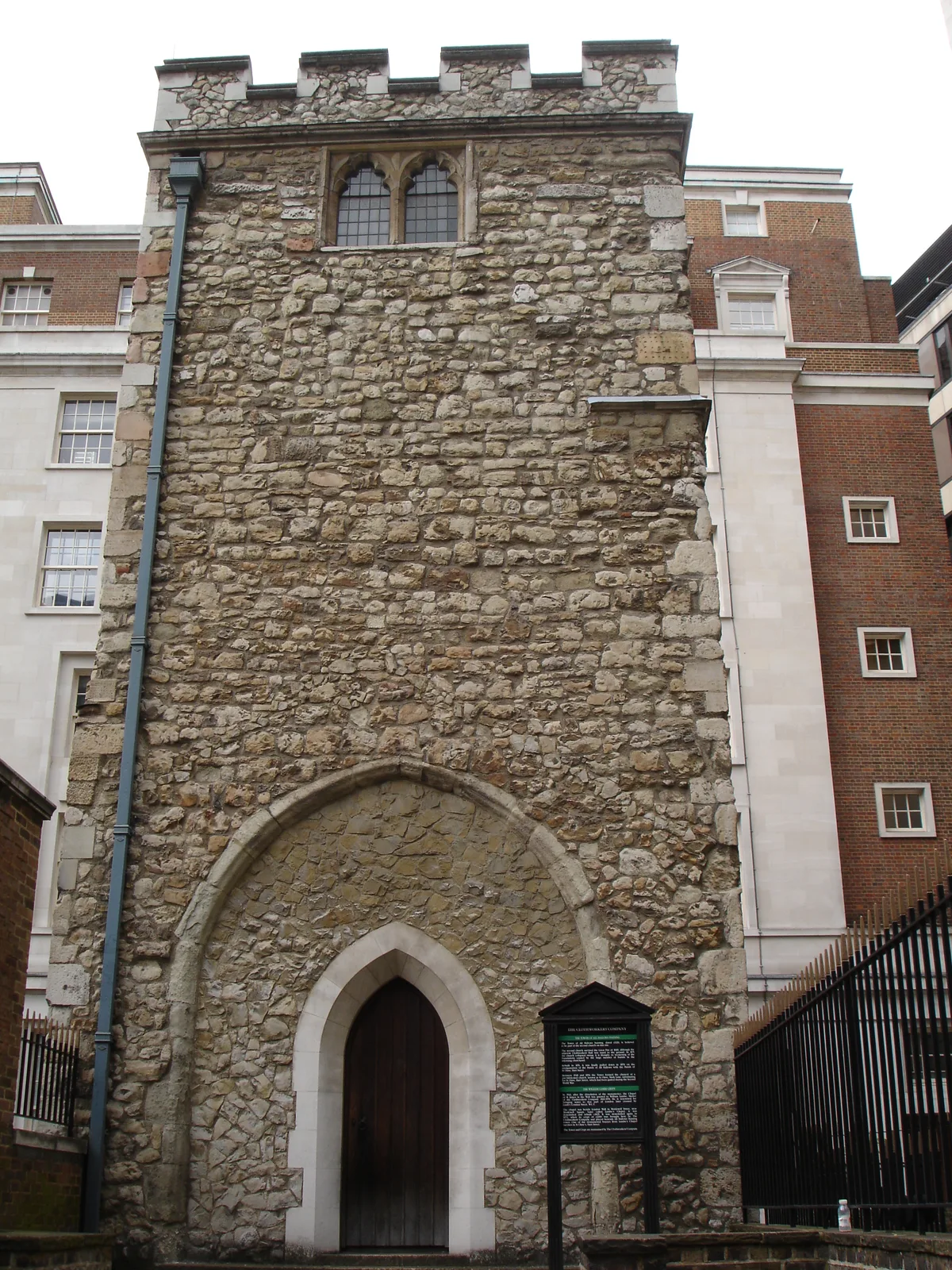
All Hallows Staining
All Hallows Staining — church in City of London, UK.
 📷 5
📷 5Historic churches · London
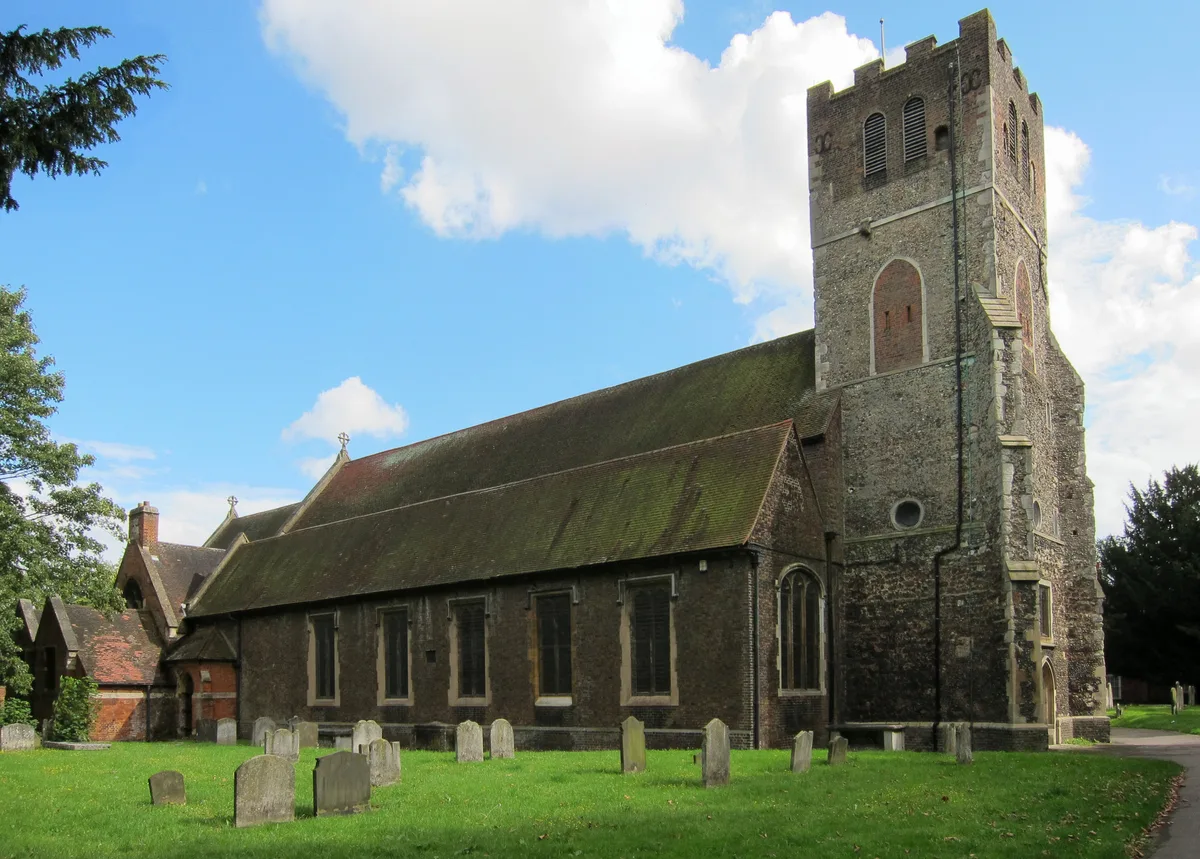
All Hallows' Church, Tottenham
All Hallows' Church, Tottenham — church in Tottenham, London.
 📷 5
📷 5Historic churches · London
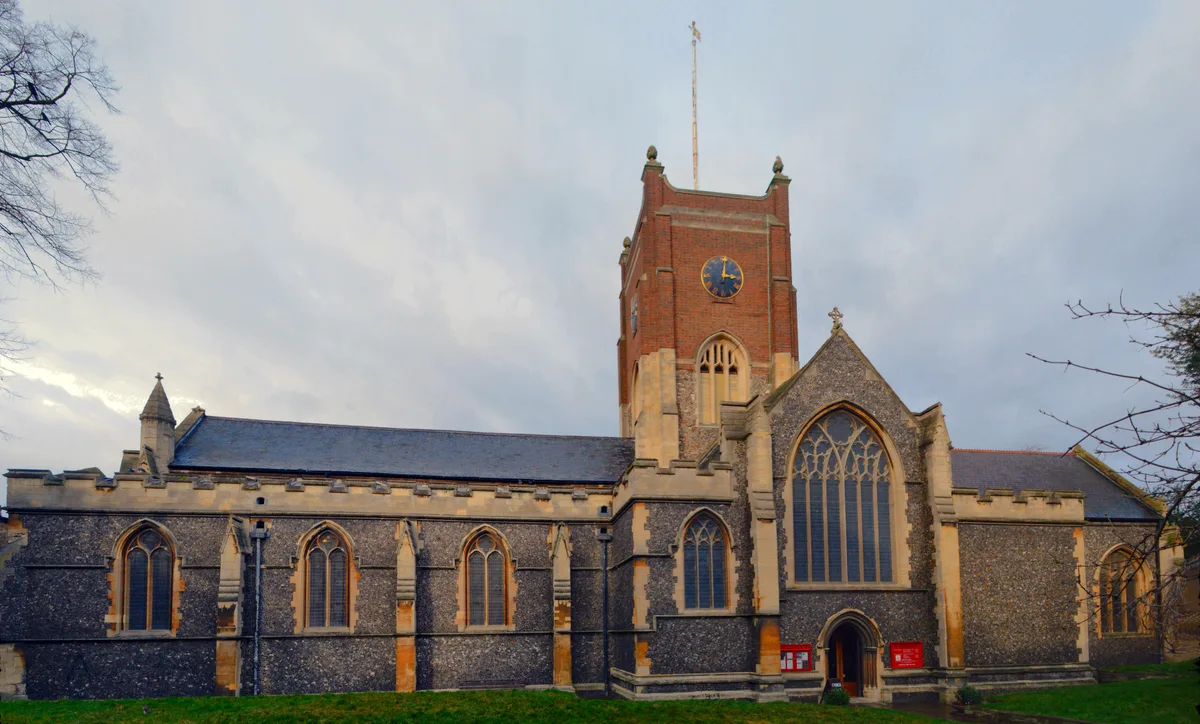
All Saints Church, Kingston upon Thames
All Saints Church, Kingston upon Thames — church in Kingston upon Thames, London.
 📷 5
📷 5Historic churches · London
All Saints' Church, Edmonton
All Saints' Church, Edmonton — church in Edmonton, London.
More places in this region
 📷 5
📷 5Historic churches · South West England
Abbey Church of St Gregory the Great, Downside Abbey
Abbey Church of St Gregory the Great, Downside Abbey — church in Stratton-on-the-Fosse, Somerset, England, UK.
 📷 5
📷 5Historic churches · South West England
All Saints Church
All Saints Church — Grade I listed church in Woolley, Somerset, England, UK.
 📷 5
📷 5Historic churches · South West England
All Saints Church, Hampreston
All Saints Church, Hampreston — church in Hampreston, Dorset, England, UK.
 📷 5
📷 5Historic churches · South West England
All Saints Church, Nether Cerne
All Saints Church, Nether Cerne — church in Nether Cerne, Dorset, England, UK.
Frequently asked questions
- Where is Church of St Candida and Holy Cross, Whitchurch Canonicorum?
- Church of St Candida and Holy Cross, Whitchurch Canonicorum is in South-West England, United Kingdom (postcode DT6 6RQ), in the parish of Whitchurch Canonicorum.
- What is Church of St Candida and Holy Cross, Whitchurch Canonicorum?
- Church of St Candida and Holy Cross, Whitchurch Canonicorum — Grade I listed church in Whitchurch Canonicorum, Dorset, England, UK.
- How do I get to Church of St Candida and Holy Cross, Whitchurch Canonicorum?
- The nearest town is Whitchurch Canonicorum. Drivers can use postcode DT6 6RQ.
- When was Church of St Candida and Holy Cross, Whitchurch Canonicorum built?
- Built or established in 1150.
- Is Church of St Candida and Holy Cross, Whitchurch Canonicorum a listed building?
- Church of St Candida and Holy Cross, Whitchurch Canonicorum is officially recognised as Grade I listed building listed.
- Is Church of St Candida and Holy Cross, Whitchurch Canonicorum a protected site?
- Yes — Church of St Candida and Holy Cross, Whitchurch Canonicorum is part of the Dorset National Landscape (AONB).
- Is Church of St Candida and Holy Cross, Whitchurch Canonicorum free to visit?
- Yes, Church of St Candida and Holy Cross, Whitchurch Canonicorum is free to enter.
- How do I get to Church of St Candida and Holy Cross, Whitchurch Canonicorum?
- Drivers can navigate to postcode DT6 6RQ. It sits within the West Dorset parliamentary constituency.