
Castles · Central Scotland
Castle Stalker
Also known as: Caisteal an Stalcair
In or near Benderloch.
Castle Stalker — tower house or keep on a tidal islet on Loch Laich.

Wikimedia Commons contributors — see linked file page for photographer and licence licence

Plan your visit
- Typical visit
- 1.5 h–3 h
- Family-friendly
- Limited wheelchair access
Getting there & planning your visit
To visit Castle Stalker, use the postcode PA38 4BL for sat-nav directions. Entry details are not provided, but accessibility is limited for wheelchair users. The nearest railway station is not specified, indicating that it may be remote.
About
Castle Stalker is a castle in the United Kingdom — fortified architecture from the medieval, Tudor, or Victorian-revival period. Records date its origin to 1320. Heritage designation: category A listed building. Owned by Clan MacDougall. Wikidata describes it as: "tower house or keep on a tidal islet on Loch Laich". Coordinates: 56.5715°, -5.3862°.
Photo gallery
Heritage listing
Castle Stalker (Scottish Gaelic: Caisteal an Stalcaire) is a four-storey tower house or keep in the Scottish county of Argyll. It is set on a tidal islet on Loch Laich, an inlet off Loch Linnhe. It is about 1+1⁄2 miles (2.5 kilometres) north-east of Port Appin and is visible from the A828 road about midway between Oban and Glen Coe. The islet is accessible with difficulty from the shore at low tide. The name "Stalker" comes from the Gaelic Stalcaire, meaning "hunter" or "falconer". The island castle is one of the best preserved medieval tower houses to survive in western Scotland and is a Category A listed building.
From Historic Environment Scotland under OGL v3.
Official information
Castle Stalker is a picturesque castle located on the west coast of Scotland, surrounded by water. It is privately owned and offers a limited number of tours each year, which must be arranged by prior appointment.
From the Wikipedia article
Castle Stalker (Scottish Gaelic: Caisteal an Stalcaire) is a four-storey tower house or keep in the Scottish county of Argyll. It is set on a tidal islet on Loch Laich, an inlet off Loch Linnhe. It is about 1+1⁄2 miles (2.5 kilometres) north-east of Port Appin and is visible from the A828 road about midway between Oban and Glen Coe. The islet is accessible with difficulty from the shore at low tide. The name "Stalker" comes from the Gaelic Stalcaire, meaning "hunter" or "falconer". The island castle is one of the best preserved medieval tower houses to survive in western Scotland and is a Category A listed building. It stands in the Lynn of Lorn National Scenic Area.
Excerpt from Wikipedia under CC BY-SA 4.0. See the source article linked in Sources below.
Background
History
The original castle was a small fort built around 1320 by Clan MacDougall, who were then Lords of Lorn. Around 1388, the Stewarts took over the Lordship of Lorn, and it is believed that they built the castle in its present form around the 1440s. The Stewarts' relative King James VI of Scotland visited the castle, and a drunken bet, around 1620, resulted in the castle passing to Clan Campbell. For the 2011 census, the island on which the castle stands was classified by the National Records of Scotland as an inhabited island that "had no usual residents at the time of either the 2001 or 2011 censuses."
Visiting
Castle Stalker has been used as a location for the filming of multiple works including: Castle Stalker is the inspiration for Castle Keep in the children's book The Boggart.
Sourced from Wikipedia under CC BY-SA 4.0.
- Coordinates
- 56.5715, -5.3862
- District
- Argyll and Bute
- Postcode
- PA38 4BL
- Parliamentary constituency
- Argyll, Bute and South Lochaber
- Established
- 1320
- Official site
- www.castlestalker.com
Sources
- wikidata: Q217058 (CC0)
- wikipedia: Castle Stalker (CC BY-SA 4.0)
- commons: Castle Stalker Scotland.jpg (CC BY-SA 4.0)
Other places nearby

Castle Stalker Jetty (private)
Piers · 0.2 km

Castle Stalker viewpoint
Viewpoints · 0.3 km

Appin railway station
Reservoirs & lochs · 0.4 km

Portnacroish
Villages · 0.5 km

Portnacroish Episcopal Church, Portnacroish
Historic churches · 0.6 km
Battle of Stalc Monument
Memorials & monuments · 0.6 km

A828 road
Natural landmarks · 0.7 km

Castle Shuna
Literary houses · 1.1 km
Castle Shuna
Castles · 1.1 km

Airds Hill
Mountains & hills · 1.5 km
Airds Hill
Mountains & hills · 1.6 km
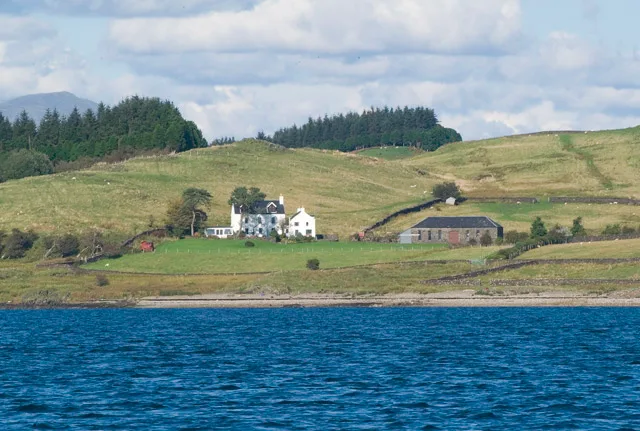
Shuna Island
Islands · 1.8 km
Nearby
📷 3Piers · Central Scotland
Castle Stalker Jetty (private)
Castle Stalker Jetty (private) is a pier in the United Kingdom.
📷 3Viewpoints · Central Scotland
Castle Stalker viewpoint
Castle Stalker viewpoint is a viewpoint in the United Kingdom.
📷 4Reservoirs & lochs · Central Scotland
Appin railway station
Appin railway station in Scotland Islands, United Kingdom.
📷 5📷 5Historic churches · Central Scotland
Portnacroish Episcopal Church, Portnacroish
Portnacroish Episcopal Church, Portnacroish — category B listed building-listed church in scotland-highlands, United Kingdom.
📷 3Memorials & monuments · Central Scotland
Battle of Stalc Monument
Battle of Stalc Monument — a memorial in scotland-highlands, United Kingdom.
Where to eat & stay near Castle Stalker
Places to stay
 📷 5
📷 5Hotels · Central Scotland
Isle of Eriska Hotel
Isle of Eriska Hotel — a hotel in scotland highlands.
 📷 5
📷 5Caravan parks · Central Scotland
Creagan Station Tourers Camper Site
Creagan Station Tourers Camper Site — a caravan park in scotland highlands.
 📷 5
📷 5Caravan parks · Central Scotland
Oban Camping & Caravanning Club Site
Oban Camping & Caravanning Club Site — a caravan park in scotland highlands.
 📷 5
📷 5 📷 5
📷 5Caravan parks · Central Scotland
Tralee Bay Holidays
Tralee Bay Holidays — a caravan park in scotland highlands.
 📷 5
📷 5Caravan parks · Central Scotland
Elderberry Holiday Park
Elderberry Holiday Park — a caravan park in scotland highlands.
Places to eat & drink
 📷 7
📷 7 📷 7
📷 7Historic pubs · Central Scotland
King's Arms Flats, 28 George Street, Oban
King's Arms Flats, 28 George Street, Oban in Scotland Central, United Kingdom.
 📷 7
📷 7Historic pubs · Central Scotland
Caledonian Hotel, George Street, Oban
Caledonian Hotel, George Street, Oban in Scotland Central, United Kingdom.
 📷 4
📷 4Historic pubs · Scottish Highlands
Clachaig Inn
Clachaig Inn in Scotland Islands, United Kingdom.
Other castles from this era
 📷 5
📷 5Castles · South East England
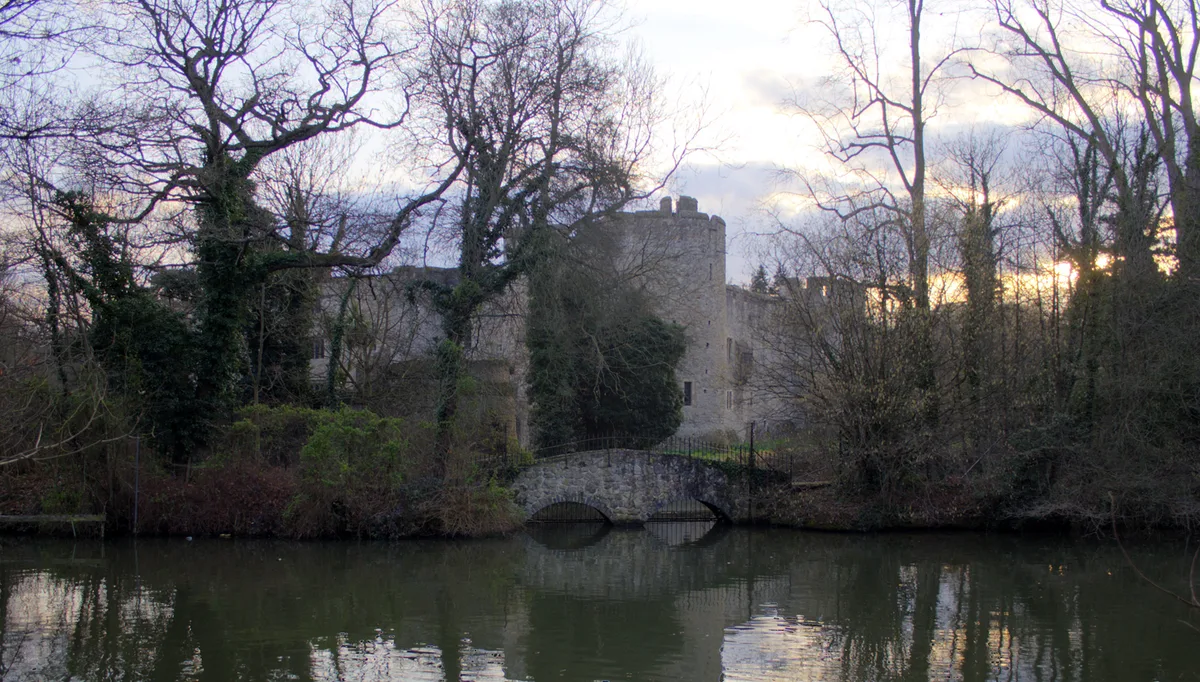
Allington Castle
Allington Castle — stone-built moated castle in Allington, England.
 📷 5
📷 5Castles · South East England
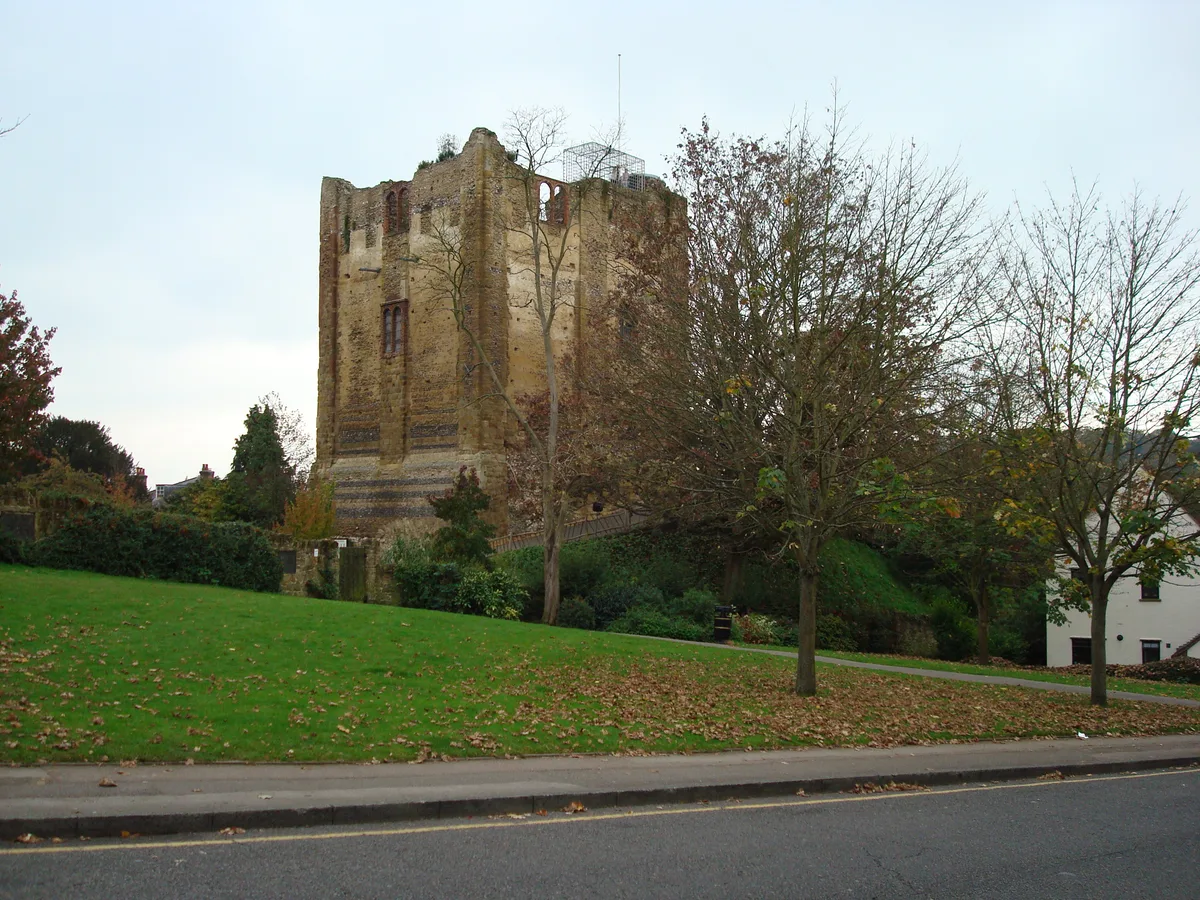
Guildford Castle
Guildford Castle — castle in Guildford, Surrey, England, UK.
 📷 5
📷 5Castles · South East England
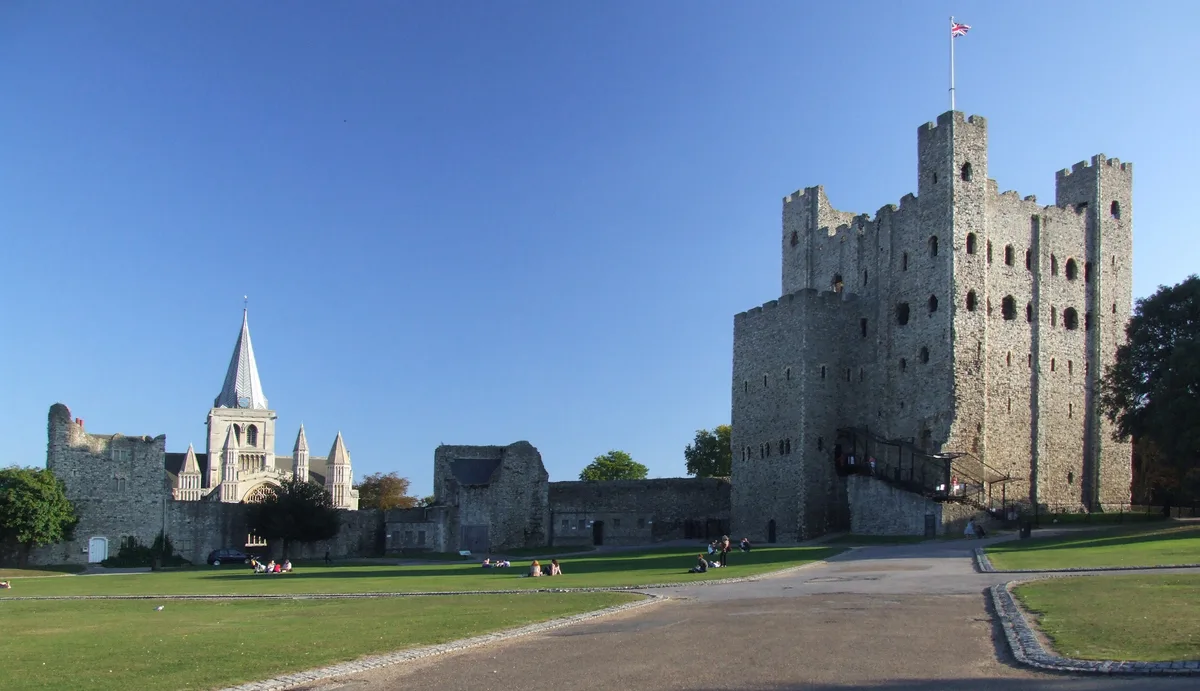
Rochester Castle
Rochester Castle — castle in Rochester, Kent, South East England.
 📷 5
📷 5Castles · South East England
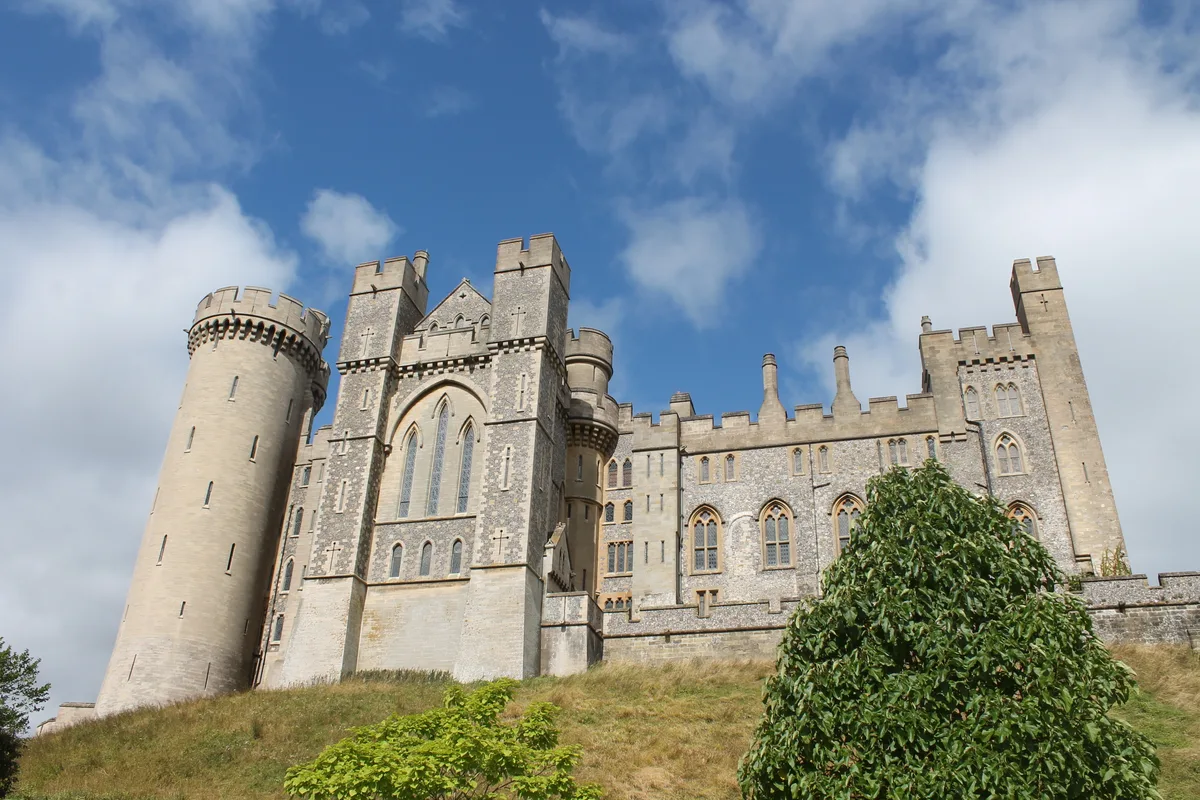
Arundel Castle
Arundel Castle — castle in West Sussex, England, UK.
More castles in this region
 📷 3
📷 3 📷 5
📷 5 📷 4
📷 4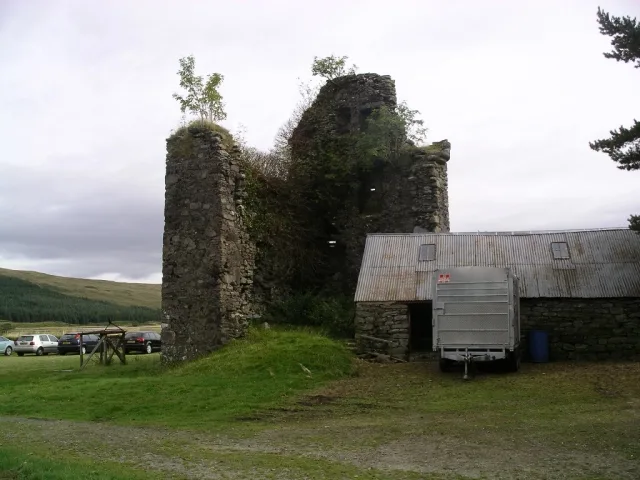 📷 3
📷 3Castles · Central Scotland
Achallader Castle
Achallader Castle — castle in Argyll and Bute, Scotland, UK.
Frequently asked questions
- Where is Castle Stalker?
- Castle Stalker is in central Scotland, United Kingdom (postcode PA38 4BL).
- What is Castle Stalker?
- Castle Stalker — tower house or keep on a tidal islet on Loch Laich.
- How do I get to Castle Stalker?
- The nearest town is Benderloch. Drivers can use postcode PA38 4BL.
- When was Castle Stalker built?
- Built or established in 1320.
- Who owns Castle Stalker?
- Castle Stalker is owned by Clan MacDougall.
- Is Castle Stalker a listed building?
- Castle Stalker is officially recognised as category A listed building listed.
- Does Castle Stalker charge admission?
- Castle Stalker typically charges admission. Check the official site for current ticket prices and opening hours.
- How do I get to Castle Stalker?
- Drivers can navigate to postcode PA38 4BL. It sits within the Argyll, Bute and South Lochaber parliamentary constituency.