
Parks · South West England
Castle Park, Bristol
In or near Bristol.
Castle Park, Bristol — park in City of Bristol, United Kingdom.

Wikimedia Commons contributors — see linked file page for photographer and licence licence

Plan your visit
- Typical visit
- 1 h–2 h
- Nearest railway station
- Bristol Temple Meads · 0.9 km
- Free entry
- Family-friendly
- Dog-friendly
Getting there & planning your visit
To visit Castle Park in Bristol, you can take a train to Bristol Temple Meads, which is 0.9 km away. The postcode for the park is BS2 0HQ. Entry to the park is free.
About
Castle Park, Bristol is a public park in the United Kingdom. Records date its origin to 1977. Wikidata describes it as: "park in City of Bristol, United Kingdom". Coordinates: 51.4558°, -2.5881°.
Photo gallery
360° viewimagery from 2018
Imagery © Mapillary contributors, CC BY-SA 4.0
Official information
Roxy Lanes in Bristol offers a vibrant entertainment experience with activities such as ten pin bowling, karaoke, and various bar games. Visitors can enjoy a lively atmosphere with food and drink options while engaging in fun games with friends and family.
Protected designations
- Site of Special Scientific Interest: Severn Estuary SSSI
Designations sourced from Natural England open data under OGL v3.
From the Wikipedia article
Castle Park (sometimes referred to as Castle Green) is a public open space in Bristol, England, managed by Bristol City Council. It is bounded by the Floating Harbour and Castle Street to the south, Lower Castle Street to the east, and Broad Weir, Newgate and Wine Street to the north. Its western boundary is less obviously defined and has been the subject of controversy, perhaps because the area around High Street and St Mary le Port Church, though not part of the park and always intended for development, is often considered at the same time as the park. Opened on 30 September 1978, the park occupies the site of what was once Bristol's main shopping district. The area was largely destroyed by the Luftwaffe during the Blitz, and that which remained was subsequently demolished by 1969, the last demolitions being the Bear & Ragged Staff and the Cat and Wheel pubs in Little Peter Street. In the years since the end of the Second World War, Castle Park has become home to a number of anti-fascist memorials. The ruined 14th-century tower of St Mary-le-Port Church stands to the west of the park, surrounded by derelict financial office buildings. Adjoining the ruins of St Peter's Church in the middle of the park is a sensory herb garden on the site of the former St Peters Churchyard cleared 1965, and five silver birch trees as a memorial to the beaches of the D-Day landings. To the east is a grassy arena covering Castle Green and the west half of Castle Street, and the partially excavated remains of the great stone keep Bristol Castle with 2 preserved vaulted chambers formerly in Castle Green (Tower Street) farther east. There is also a bandstand. Tree-lined St Peter's Square, to the north of St Peter's Church, (formerly Dolphin Street, Peter Street and Church or Chequer Lane) has been home to various events including German Christmas markets. In recent summers a tethered balloon was placed near the bandstand, offering ascents to sightseers. Recent attempts to develop the…
Excerpt from Wikipedia under CC BY-SA 4.0. See the source article linked in Sources below.
Background
History
The town of Bristol was settled at some time in the Anglo-Saxon period on the northern or Mercian side of a crossing point of the River Avon, at or near to the present Bristol Bridge. The town lay entirely between the Avon and the Frome, which at that time emerged into the Avon just downstream of Bristol Bridge. Archaeological excavations of the area in 1962-1963 suggest that the original settlement was centred to the east of St Peter's Church, with Mary-le-Port on its western limit. The building of Bristol Castle in the latter part of the 11th century resulted in the focus of the settlement being moved to the west, where it developed into a symmetrical plan centred on the crossroads of…
Architecture
Very little of Bristol Castle remains above ground. The most tangible survival is a vaulted chamber of the King's Hall, formerly on Tower Street near the now-truncated Castle Street. Other than that, the excavated remains of the south wall can be seen near the landing stage, and near St Peter's Church the sally port and traces of the west wall are visible. The foundations of the keep are on show next to the public toilets on Newgate. The park contains a number of memorials. The ruins of St Peter's Church are a memorial to the civilians and auxiliary personnel killed in the aerial bombing of Bristol, and a plaque on its wall lists their names. Adjoining the church is a sensory herb garden…
Sourced from Wikipedia under CC BY-SA 4.0.
- Coordinates
- 51.4558, -2.5881
- District
- Bristol, City of
- Parish
- Bristol, City of, unparished area
- Postcode
- BS2 0HQ
- Parliamentary constituency
- Bristol Central
- Phone
- 0117 244 2270
- Established
- 1977
- Nearest railway station
- Bristol Temple Meads — 0.9 km
- Opening
- Monday to Wednesday 3pm–11pm; Thursday 12pm–12am; Friday 12pm–12:30am; Saturday 11am–12:30am; Sunday 12pm–10pm
Sources
- wikidata: Q5050210 (CC0)
- wikipedia: Castle Park, Bristol (CC BY-SA 4.0)
- commons: Castle.park.bristol.arp.jpg (CC BY-SA 4.0)
Other places nearby
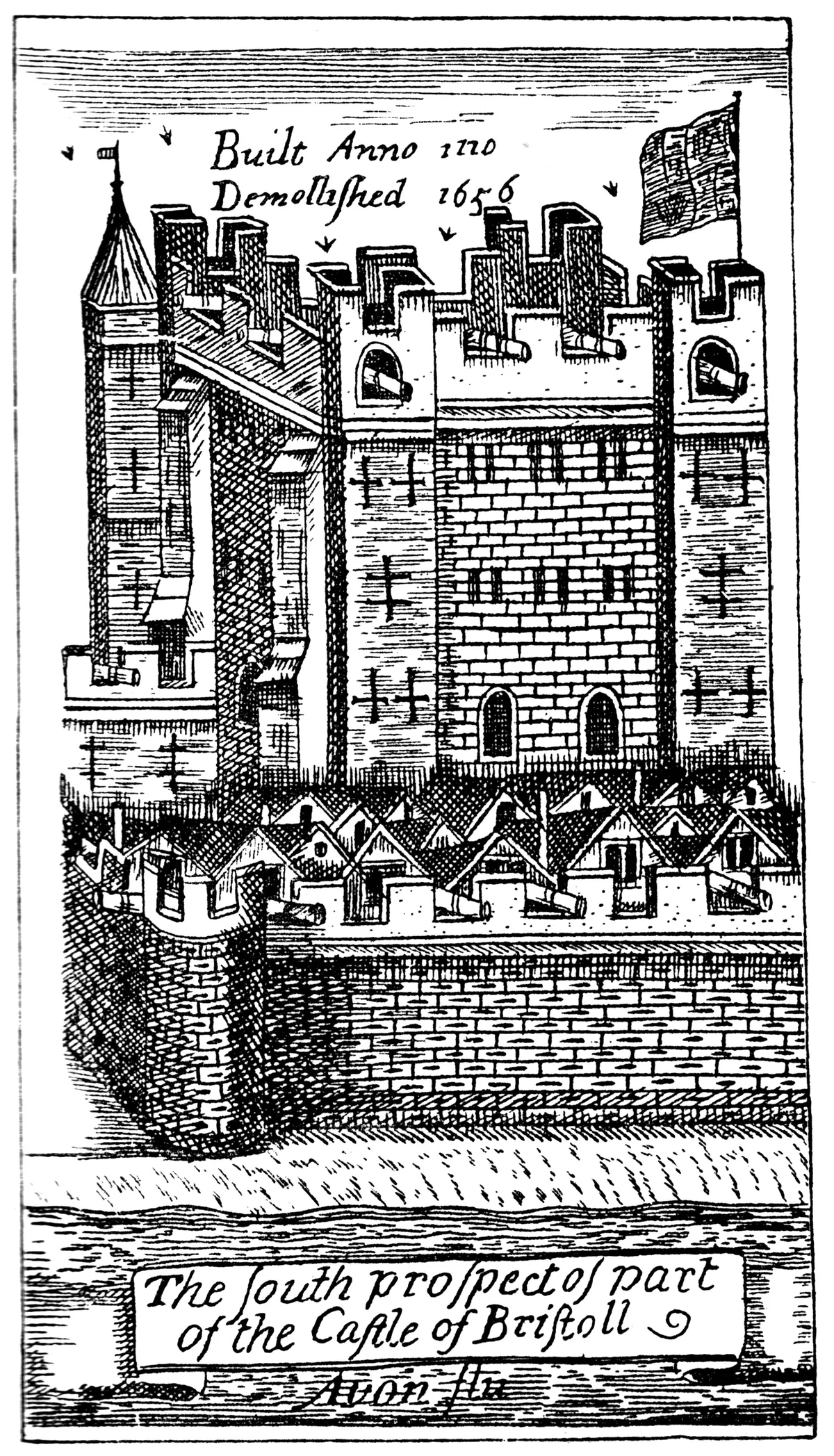
Bristol Castle
Castles · 0.0 km

The Ark and Fish
Public art & sculpture · 0.1 km

Sikh War Memorial
Memorials & monuments · 0.1 km

News Theatre
Theatres · 0.1 km
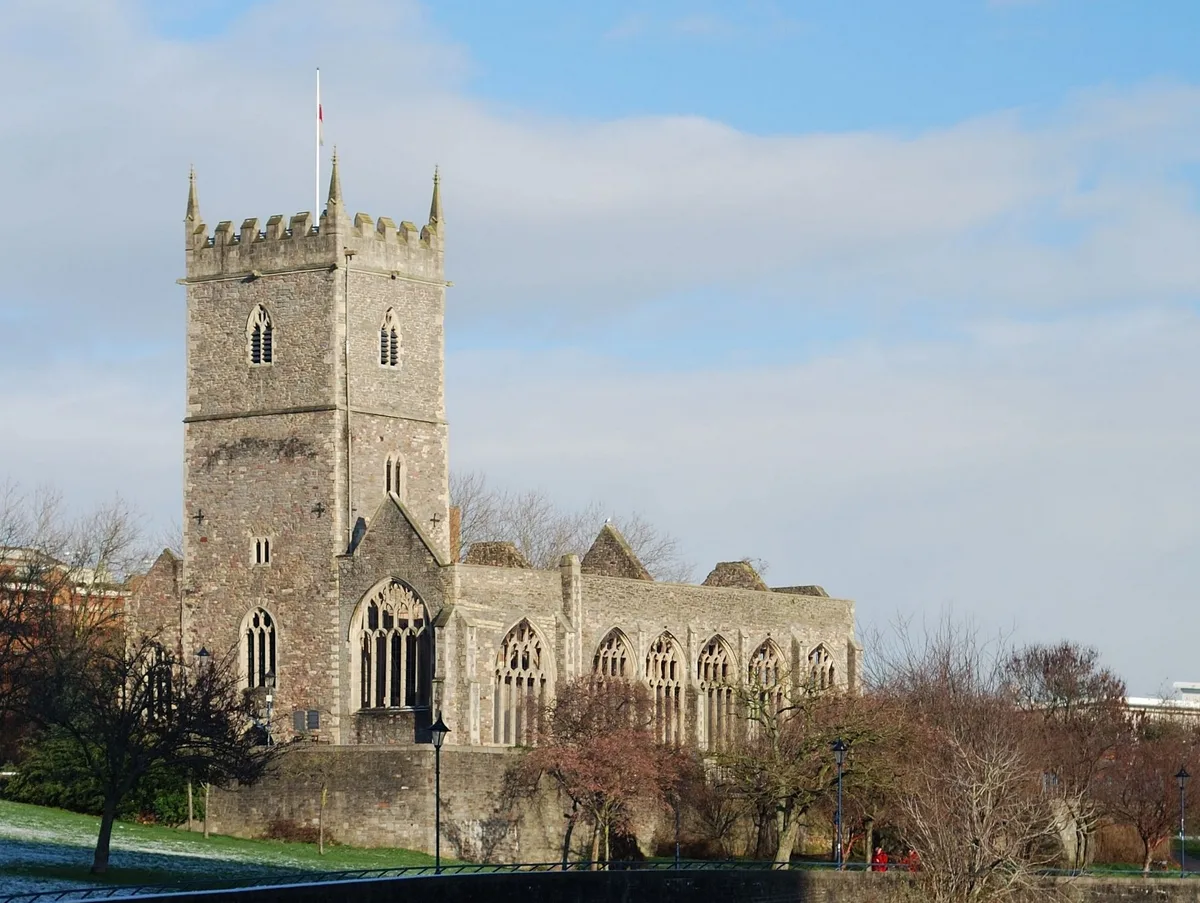
St Peter's Church, Bristol
Historic churches · 0.1 km

Broadmead
Museums · 0.1 km

Bristol Castle vaulted chambers
Castles · 0.1 km

Only the dead fish go with the flow
Public art & sculpture · 0.1 km

Deceased Workers
Memorials & monuments · 0.2 km

History of Video Games
Museums · 0.2 km
Spanish Civil War
Memorials & monuments · 0.2 km

The Society of Friends Meeting House 1747
Memorials & monuments · 0.2 km
Nearby
📷 5📷 3Public art & sculpture · South West England
The Ark and Fish
The Ark and Fish — a public art in england-south-west, United Kingdom.
📷 3Memorials & monuments · South West England
Sikh War Memorial
Sikh War Memorial — a memorial in england-south-west, United Kingdom.
📷 3📷 5Historic churches · South West England
St Peter's Church, Bristol
St Peter's Church, Bristol — church in Bristol, England, UK.
📷 5Museums · South West England
Broadmead
Broadmead is a street in Bristol city centre in England, which has given its name to the principal shopping district of the city. It is part of Bristol Shopping Quarter.
Where to eat & stay near Castle Park, Bristol
Places to stay
 📷 7
📷 7Hotels · South West England
Delta Hotels
Delta Hotels — a hotel in england south west.
 📷 5
📷 5Hotels · South West England
Mercure Grand Hotel
Mercure Grand Hotel — a hotel in england south west.
 📷 5
📷 5 📷 7
📷 7 📷 5
📷 5 📷 5
📷 5B&Bs · South West England
Brooks Guest House
Brooks Guest House — a bed-and-breakfast in england south west.
Places to eat & drink
 📷 5
📷 5Historic pubs · South West England
Stag & Hounds
Stag & Hounds — Historic pub — listed building or notable heritage status.
 📷 7
📷 7Historic pubs · South West England
The Cornubia Public House
The Cornubia Public House in Wales South, United Kingdom.
 📷 6
📷 6Historic pubs · South West England
Saint Nicholas Market
Saint Nicholas Market is a place of interest in the United Kingdom.
 📷 5
📷 5Cafés · South West England
Cafe Revival
Cafe Revival — a café in england south west.
 📷 7
📷 7Historic pubs · South West England
Printers Devil, Bristol
Printers Devil, Bristol in Wales South, United Kingdom.
 📷 5
📷 5Historic pubs · South West England
Seven Stars Public House, Bristol
Seven Stars Public House, Bristol in Wales South, United Kingdom.
Other parks from this era
 Flagship📷 10
Parks · London
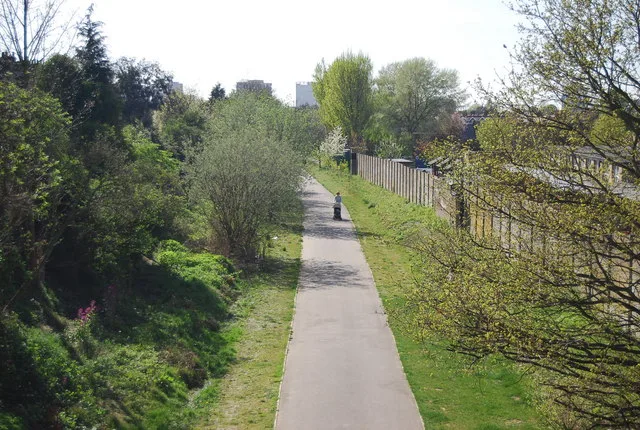
Addiscombe Railway Park
Addiscombe Railway Park — park in London Borough of Croydon, United Kingdom.
 Flagship📷 10
 📷 5
📷 5Parks · London
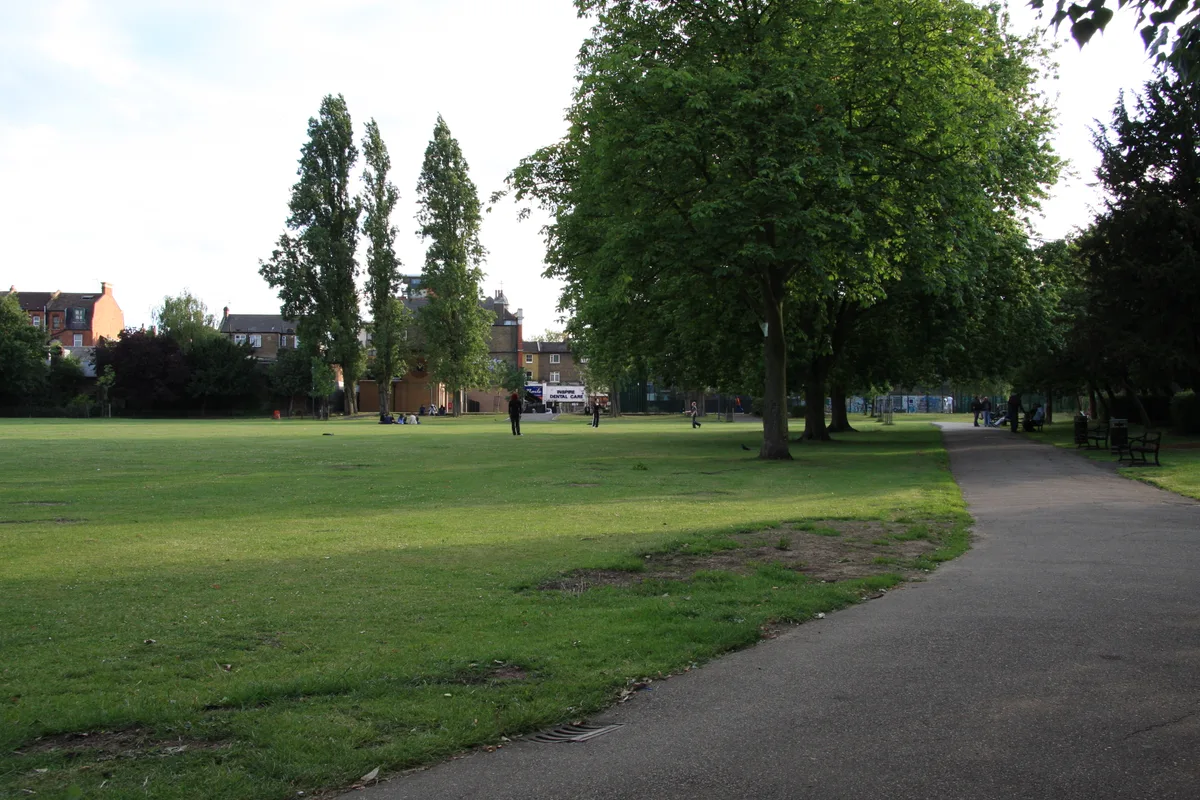
Beckenham Place Park
Beckenham Place Park — park in London Borough of Lewisham, England, UK.
 📷 5
📷 5More parks in this region
 Flagship📷 10
Parks · South West England
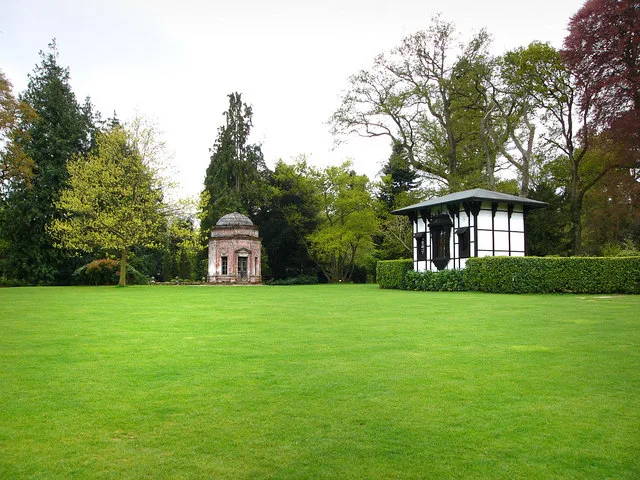
Larmer Tree Gardens
Larmer Tree Gardens — park in Tollard Royal, Wiltshire, England, UK.
 📷 10
📷 10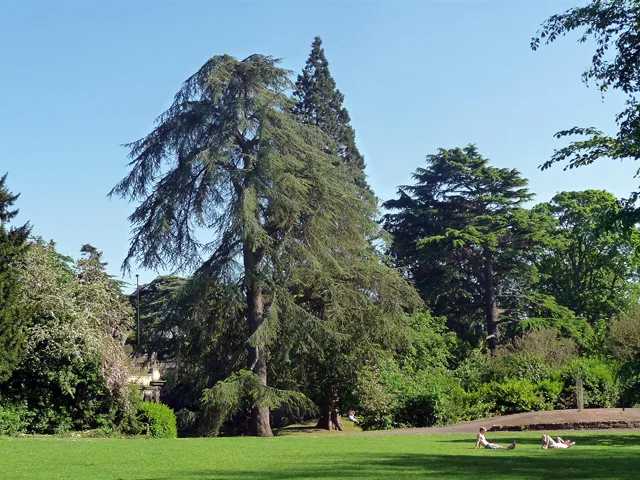 Flagship📷 10
Parks · South West England
Sydney Gardens
Sydney Gardens — public open space in Bath, Somerset, England, UK.
 📷 5
📷 5Parks · South West England
Alexandra Park, Poole
Alexandra Park, Poole is a park in the United Kingdom.
Frequently asked questions
- Where is Castle Park, Bristol?
- Castle Park, Bristol is in South-West England, United Kingdom (postcode BS2 0HQ), in the parish of Bristol, City of, unparished area.
- What is Castle Park, Bristol?
- Castle Park, Bristol — park in City of Bristol, United Kingdom.
- How do I get to Castle Park, Bristol?
- The nearest railway station is Bristol Temple Meads, about 0.9 km away. The nearest town is Bristol. Drivers can use postcode BS2 0HQ.
- When was Castle Park, Bristol built?
- Built or established in 1977.
- Who owns Castle Park, Bristol?
- Castle Park, Bristol is owned by Bristol City Council.
- Is Castle Park, Bristol a protected site?
- Yes — Castle Park, Bristol is part of the Severn Estuary SSSI Site of Special Scientific Interest.
- Is Castle Park, Bristol free to visit?
- Yes, Castle Park, Bristol is free to enter.
- How do I get to Castle Park, Bristol?
- The nearest railway station is Bristol Temple Meads, about 0.9 km away. Drivers can navigate to postcode BS2 0HQ.