
Castles · Scottish Islands
Castle of Mey
In or near John o'Groats.
Castle of Mey — castle in Caithness, Scotland.

Wikimedia Commons contributors — see linked file page for photographer and licence licence

Plan your visit
- Typical visit
- 1.5 h–3 h
- Family-friendly
- Limited wheelchair access
Getting there & planning your visit
The Castle of Mey is located in the Highland region of the Scottish Islands, with the postcode KW14 8XH. Accessibility is limited for wheelchair users.
About
Castle of Mey is a castle in the United Kingdom — fortified architecture from the medieval, Tudor, or Victorian-revival period. Records date its origin to 1566. Built in the Gothic Revival style. Heritage designation: category A listed building. Owned by Queen Elizabeth the Queen Mother. Address: KW14 8XH. Wikidata describes it as: "castle in Caithness, Scotland". Coordinates: 58.6470°, -3.2245°.
Photo gallery
Heritage listing
The Castle of Mey (also known for a time as Barrogill Castle) is located in Caithness, on the north coast of Scotland, about 6 miles (10 km) west of John o' Groats. In fine weather there are views from the castle north to Orkney.
From Historic Environment Scotland under OGL v3.
Official information
The Castle of Mey is a historic site that features beautifully maintained gardens and grounds, along with an animal centre. Visitors can explore the castle and enjoy various outdoor activities in a scenic setting.
From the Wikipedia article
The Castle of Mey (also known for a time as Barrogill Castle) is located in Caithness, on the north coast of Scotland, about 6 miles (10 km) west of John o' Groats. In fine weather there are views from the castle north to Orkney.
Excerpt from Wikipedia under CC BY-SA 4.0. See the source article linked in Sources below.
Background
History
The lands of Mey belonged to the Bishops of Caithness. The Castle of Mey was built between 1566 and 1572, possibly on the site of an earlier fortification, by the 4th Earl of Caithness. According to a February 2019 report: <blockquote>"The castle was probably built between 1566 and 1572 by George Sinclair, 4th Earl of Caithness [and] includes a dominating tower with a series of tall ranges to the side and rear creating a three-sided courtyard open to the north and the sea."</blockquote>Originally a Z-plan tower house of three storeys, it had a projecting wing at the south-east, and a square tower at the north-west. The castle's name was changed to Barrogill, and the structure was extended…
Description
The Castle of Mey Trust was established by a Deed of Trust executed on 11 June 1996. Its president was the then Prince of Wales. The Trust would manage the property; its mandate was "to secure the future of the building, advance historical and architectural education, to develop the native breeds of Aberdeen Angus and Cheviot sheep and to undertake projects for the benefit of the local community", according to one report. After 2002, the Trust opened the castle for five months each summer to generate revenue that would sustain the property. In 2018, nearly 30,000 visits were recorded. As of March 2014, the Trustees included: the former royal equerry Ashe Windham (chairman); the 20th Earl of…
Visiting
The ruins of Barrogill Castle are the scene of a black mass in the Nick Carter-Killmaster series novel Spy Castle (1966). The Queen Mother's purchase of the castle is featured in the Netflix show The Crown (episode 8 of the first season, "Pride & Joy").
Sourced from Wikipedia under CC BY-SA 4.0.
- Coordinates
- 58.6470, -3.2245
- District
- Highland
- Postcode
- KW14 8XH
- Parliamentary constituency
- Caithness, Sutherland and Easter Ross
- Established
- 1566
- Official site
- www.castleofmey.org.uk
Sources
- wikidata: Q1049589 (CC0)
- wikipedia: Castle of Mey (CC BY-SA 4.0)
- commons: Mey castle 2.JPG (CC BY-SA 4.0)
Other places nearby

Castle of Mey Gardens
Castles · 0.1 km

Animal Centre
Zoos & aquariums · 0.3 km

Mey Bay
Natural landmarks · 0.6 km

Harrow
Castles · 0.9 km
Harrow harbour
Harbours & ports · 1.0 km

Mey
Castles · 1.1 km

Loch of Mey
Memorials & monuments · 1.9 km

East Mey
Other places · 2.0 km

Skarfskerry
Other places · 2.2 km

Hill of Rigifa'
Mountains & hills · 2.3 km

St John's Point
Vineyards · 2.4 km

Scotland Haven
Natural landmarks · 2.4 km
Nearby
📷 3Castles · Scottish Islands
Castle of Mey Gardens
Castle of Mey Gardens — a castle in scotland-islands, United Kingdom.
📷 3Zoos & aquariums · Scottish Islands
Animal Centre
Animal Centre — a zoo aquarium in scotland-islands, United Kingdom.
📷 5📷 3📷 3Harbours & ports · Scottish Islands
Harrow harbour
Harrow harbour — a other in scotland-islands, United Kingdom.
📷 4Where to eat & stay near Castle of Mey
Places to stay
 📷 5
📷 5Campsites · Scottish Islands
Ferry View Campsite
Ferry View Campsite — a campsite in scotland islands.
 📷 5
📷 5Campsites · Scottish Islands
WIndhaven
WIndhaven — a campsite in scotland islands.
 📷 5
📷 5 📷 5
📷 5Caravan parks · Scottish Islands
Dunnet Bay Caravan Club Site
Dunnet Bay Caravan Club Site — a caravan park in scotland islands.
 📷 5
📷 5Caravan parks · Scottish Islands
Natural Retreats
Natural Retreats — a caravan park in scotland islands.
 📷 5
📷 5Campsites · Scottish Islands
John O'Groats Caravan and Camping Site
John O'Groats Caravan and Camping Site — a campsite in scotland islands.
Places to eat & drink
 📷 5
📷 5Historic pubs · Scottish Highlands
The Alexander Bain
The Alexander Bain in Scotland Highlands, United Kingdom.
Other castles from this era
 📷 5
📷 5Castles · South East England
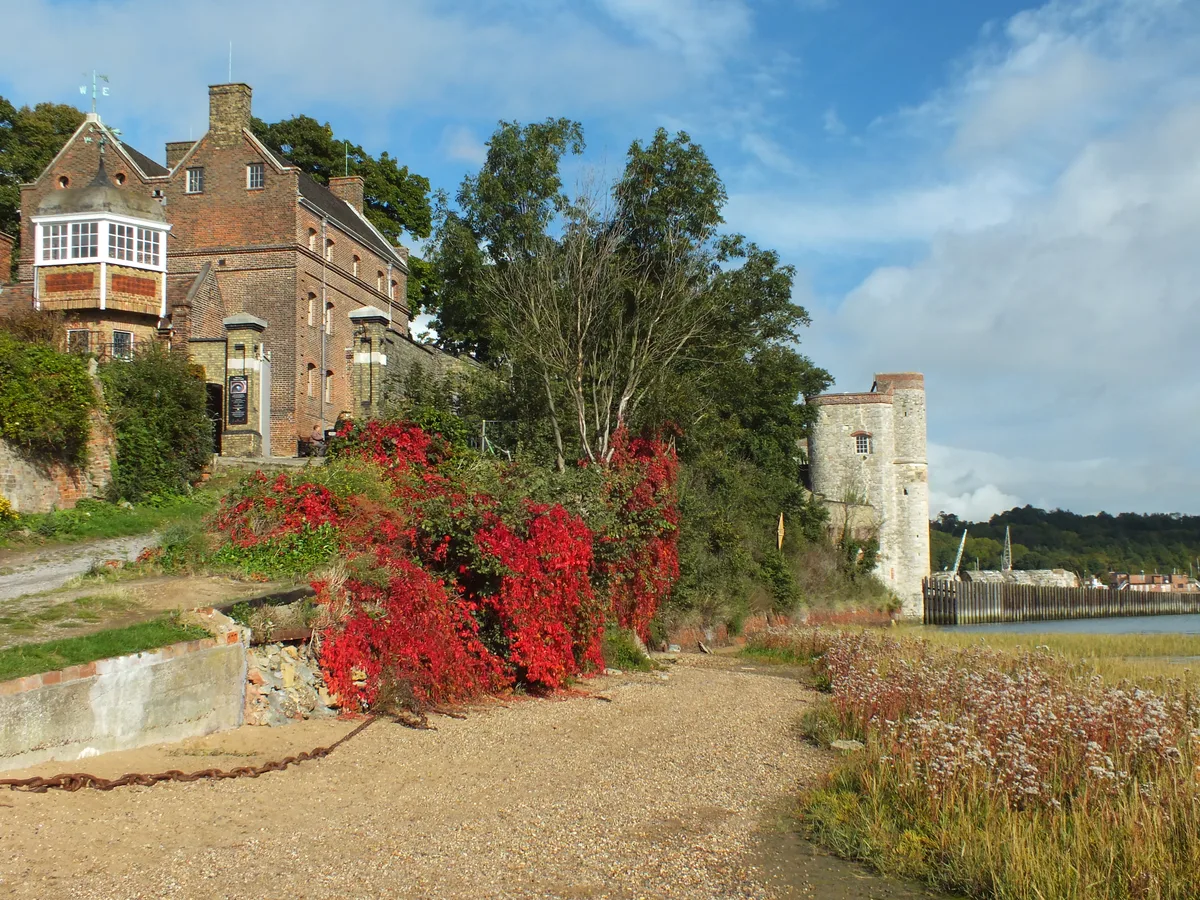
Upnor Castle
Upnor Castle — fort located on the River Medway in Kent.
 📷 5
📷 5Castles · South East England
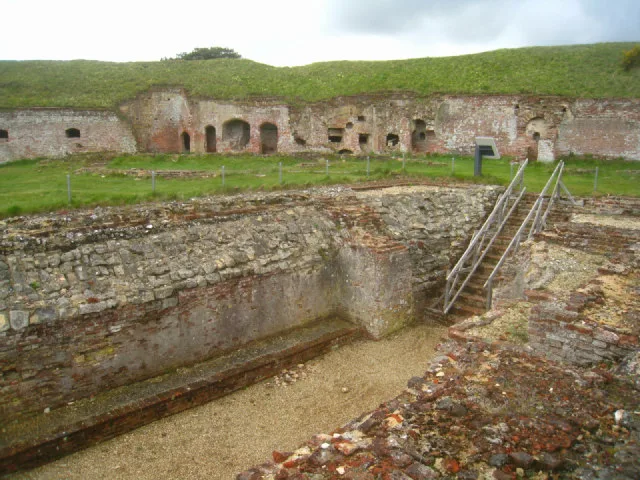
Basing House
Basing House — Tudor palace and castle in Old Basing, United Kingdom.
 📷 5
📷 5Castles · South East England
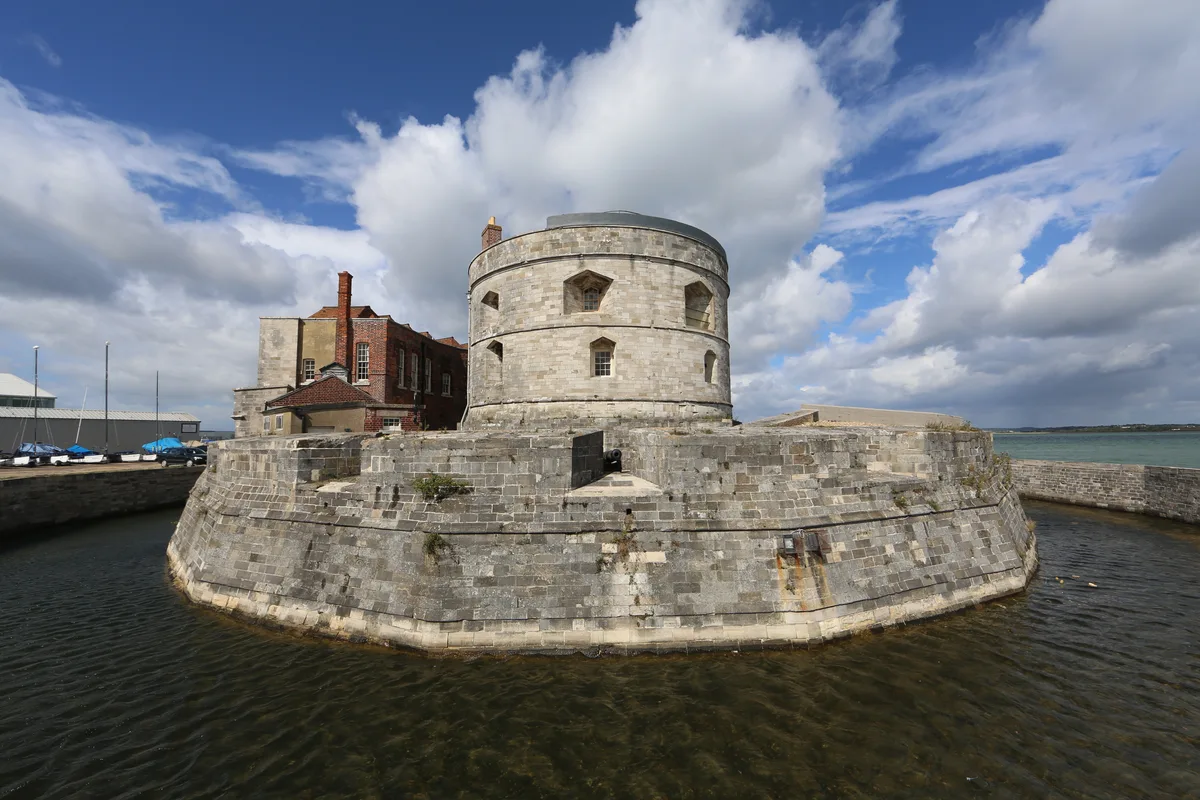
Calshot Castle
Calshot Castle — artillery fort on the Calshot Spit, Hampshire, England, UK.
 📷 5
📷 5Castles · South East England
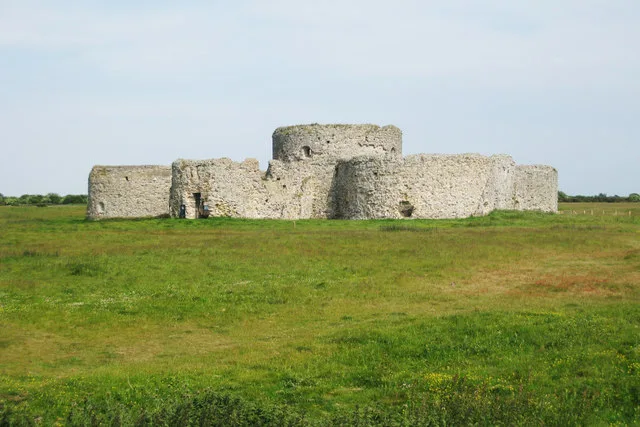
Camber Castle
Camber Castle — 16th-century English fort.
More castles in this region
 📷 3
📷 3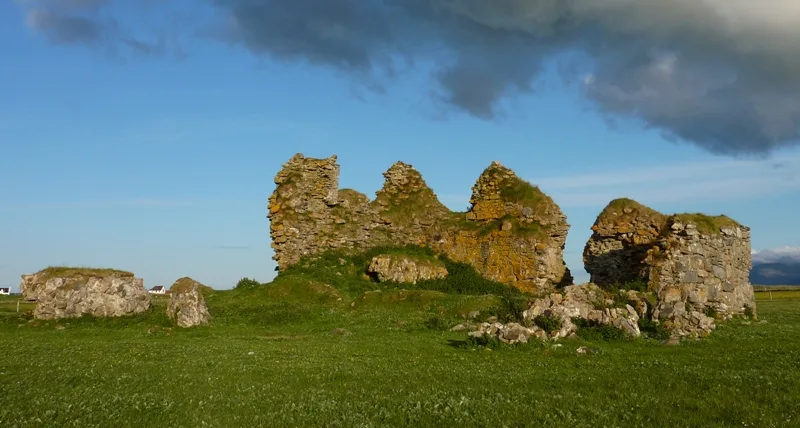 📷 5
📷 5Castles · Scottish Islands
Borve Castle
Borve Castle — castle ruins in Benbecula, Scotland.
 📷 3
📷 3Castles · Scottish Islands
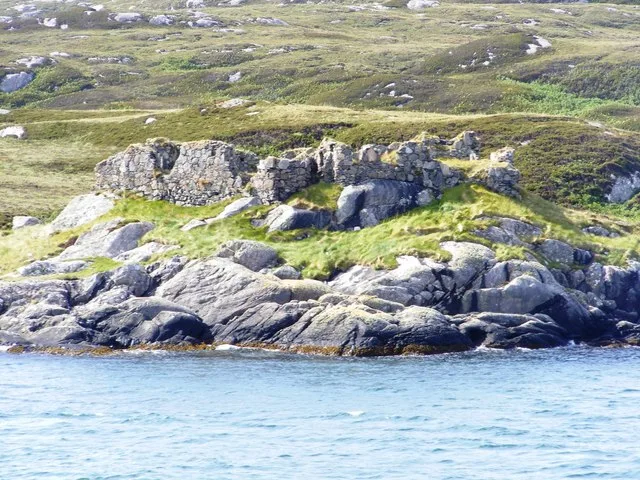
Cairnburgh Castle
Cairnburgh Castle — ruined castle that is located on the islands of Cairn na Burgh Mòr and Cairn na Burgh Beag, Argyll and Bute, Scotland, UK.
 📷 3
📷 3Frequently asked questions
- Where is Castle of Mey?
- Castle of Mey is in the Scottish Islands, United Kingdom (postcode KW14 8XH).
- What is Castle of Mey?
- Castle of Mey — castle in Caithness, Scotland.
- How do I get to Castle of Mey?
- The nearest town is John o'Groats. Drivers can use postcode KW14 8XH.
- When was Castle of Mey built?
- Built or established in 1566.
- Who owns Castle of Mey?
- Castle of Mey is owned by Queen Elizabeth the Queen Mother.
- Is Castle of Mey a listed building?
- Castle of Mey is officially recognised as category A listed building listed.
- Does Castle of Mey charge admission?
- Castle of Mey typically charges admission. Check the official site for current ticket prices and opening hours.
- How do I get to Castle of Mey?
- Drivers can navigate to postcode KW14 8XH. It sits within the Caithness, Sutherland and Easter Ross parliamentary constituency.