
Gardens · North West England
Capesthorne Hall
In or near Soss Moss.
Capesthorne Hall — manor in Cheshire, England, UK.

Wikimedia Commons contributors — see linked file page for photographer and licence licence

Plan your visit
- Typical visit
- 1 h–2.5 h
- Best time of year
- Spring & summer (Apr–Sep)
- Nearest railway station
- Chelford · 3.4 km
- Dog-friendly
Getting there & planning your visit
To visit Capesthorne Hall, the nearest railway station is Chelford, located 3.4 km away. The postcode for sat-nav is SK11 9JY. Entry details are not specified, so please check ahead for any fees, and accessibility information is not provided.
About
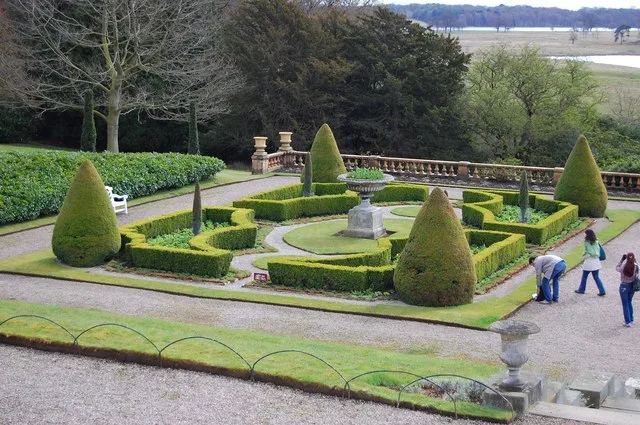
Capesthorne Hall is a public garden in the United Kingdom. Heritage designation: Grade II* listed building. Address: SK11 9JY. Wikidata describes it as: "manor in Cheshire, England, UK". Coordinates: 53.2517°, -2.2405°.
Photo gallery
Official information
The much-loved home of the Bromley-Davenports, a site on which they and their ancestors have lived since Domesday times.
Read more on the official property page.
From the Wikipedia article
Capesthorne Hall is a country house near the village of Siddington, Cheshire, England. The house and its private chapel were built in the early 18th century, replacing an earlier hall and chapel nearby. They were built to Neoclassical designs by William Smith and (probably) his son Francis. Later in the 18th century, the house was extended by the addition of an orangery and a drawing room. In the 1830s the house was remodelled by Edward Blore; the work included the addition of an extension and a frontage in Jacobean style, and joining the central block to the service wings. In about 1837 the orangery was replaced by a large conservatory designed by Joseph Paxton. In 1861 the main part of the house was virtually destroyed by fire. It was rebuilt by Anthony Salvin, who generally followed Blore's designs but made modifications to the front, rebuilt the back of the house in Jacobean style, and altered the interior. There were further alterations later in the 19th century, including remodelling of the Saloon. During the Second World War the hall was used by the Red Cross, but subsequent deterioration prompted a restoration. The hall is built in brick with ashlar dressings and slate roofs, and is a Grade II* listed building. It has a long entrance front consisting of a three-storey central block with lateral wings, each of which has two four-storey turrets. Outside this on each side are two-storey service blocks that project forward, forming a three-sided entrance forecourt. The ground-floor public rooms include a drawing room, a dining room, and a sculpture gallery. The bedrooms, dressing rooms and another gallery are on the first floor. The hall stands in grounds containing gardens and parkland that includes a lake. A particularly notable listed structure in the grounds is the Grade II* listed private chapel, also designed by William Smith, that is contemporaneous with the hall, together with its elaborate Grade II listed gates and gate piers. The bridge over the lake,…
Excerpt from Wikipedia under CC BY-SA 4.0. See the source article linked in Sources below.
Background
History
The manor of Capesthorne was held by the Capesthorne family until 1386, when it passed to the Ward family. The house previously on the site was 290 m to the west, with a chapel 25 m to its north, its site being marked by a brick column in the grounds. In 1719 John Ward engaged William Smith to design a new house and chapel on a different site. The first parts of the new house to be built were two lateral detached wings, one for domestic offices, and the other for stables and a coach house. The main block of the house followed later. William Smith died in 1724 and it is thought that the main block was designed by his younger brother, Francis Smith. The house was in Neoclassical style, with a…
Architecture
In rebuilding the interior of the house after the fire of 1861, Salvin followed Blore's design in some of the rooms, and in others he used his own designs. The Sculpture Gallery, also by Blore, also has a panelled ceiling, and consists of a corridor along the sides of which are arched niches. Most of the sculptures in the gallery were collected by Edward Davies Davenport, and consist of ancient copies of famous Greek sculptures. There is also the face of Charles James Fox by Joseph Nollekens, and a pair of Dancing Girls by Antonio Canova. The Saloon is by Salvin, and again has a panelled ceiling. The room features a large fireplace with an overmantel in the early Renaissance style, numerous…
Visiting
Capesthorne Hall is a member of the Historic Houses Association, and the hall, chapel and gardens are open to the general public on advertised times between March and October, for which there is an admission charge, and refreshments are available for visitors. The hall and gardens are available to hire for weddings and for corporate events. A programme of events is organised in the hall and in the grounds, where there is a caravan park.
Sourced from Wikipedia under CC BY-SA 4.0.
- Coordinates
- 53.2517, -2.2405
- District
- Cheshire East
- Parish
- Siddington
- Postcode
- SK11 9JY
- Parliamentary constituency
- Macclesfield
- Established
- 1719
- Nearest railway station
- Chelford — 3.4 km
- Official site
- www.capesthorne.com
Sources
- wikidata: Q5035309 (CC0)
- wikipedia: Capesthorne Hall (CC BY-SA 4.0)
- commons: Springtime at Capesthorne Hall - geograph.org.uk - 3445693.jpg (CC BY-SA 4.0)
Other places nearby

Holy Trinity Chapel, Capesthorne
Historic churches · 0.1 km

Capesthorne Caravan Park
Caravan parks · 0.1 km

Bridge Across The Lake At Capesthorne Hall
Historic bridges · 0.2 km

Siddington Bridge
Historic bridges · 1.8 km

Siddington, Cheshire
Museums · 1.9 km
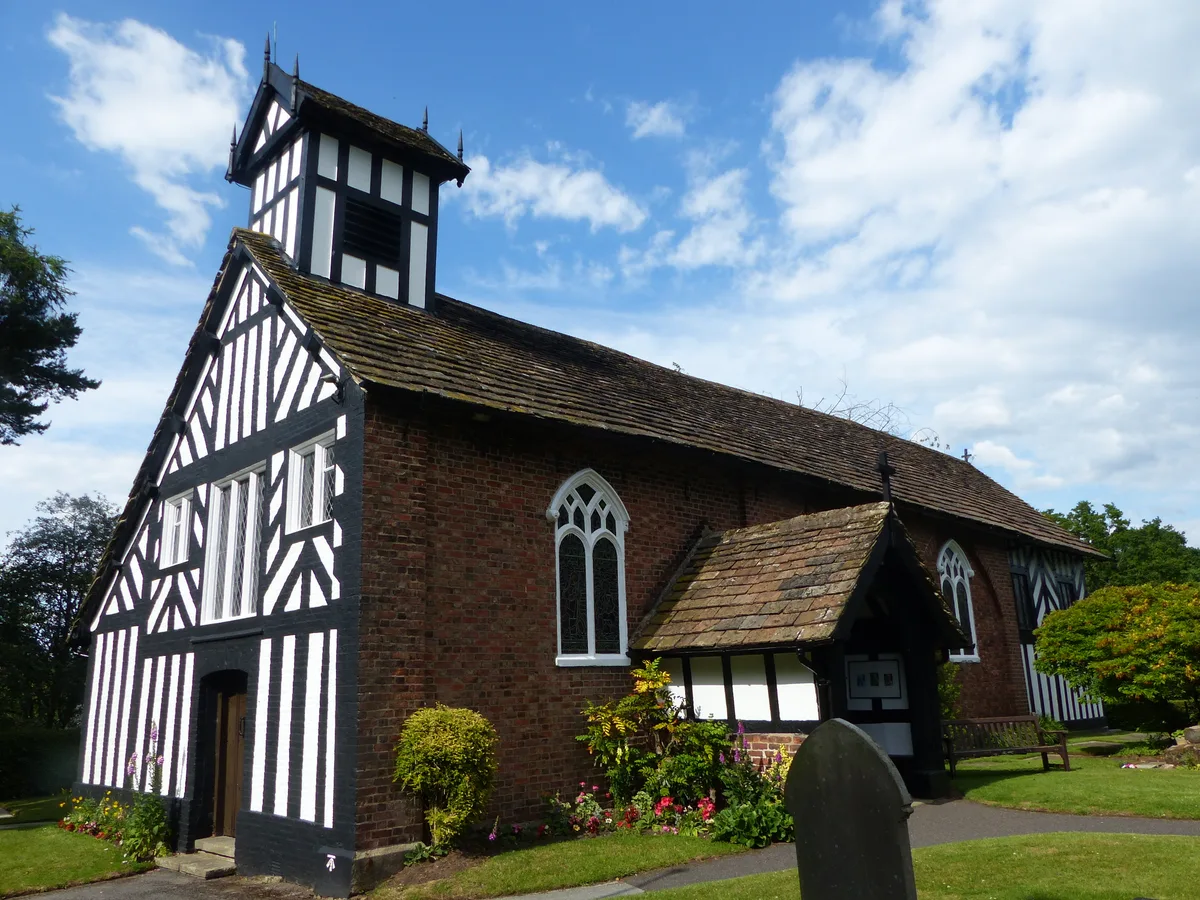
All Saints Church, Siddington
Historic churches · 2.0 km

The Churchill Tree
Restaurants · 2.3 km
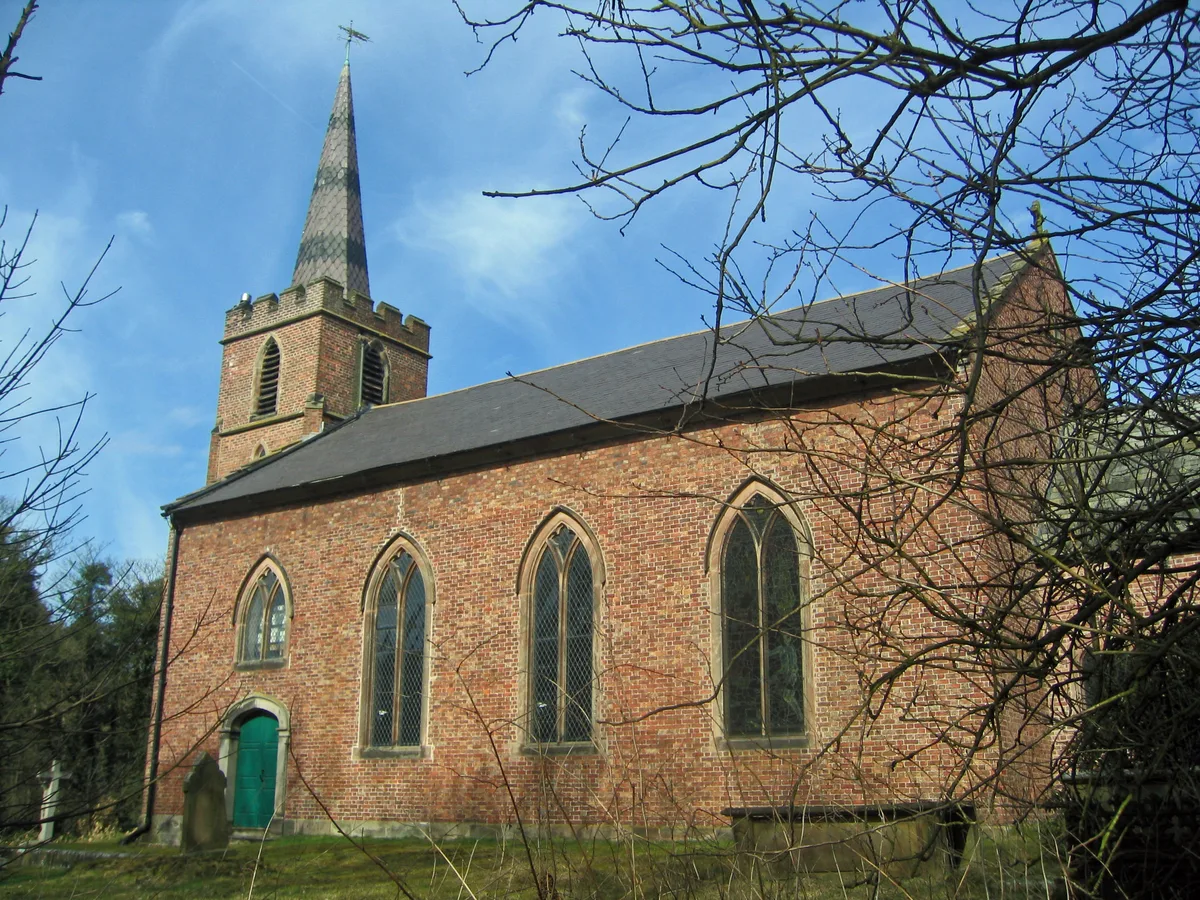
St John the Evangelist's Church, Chelford
Historic churches · 2.5 km

Chelford Manor House
Stately homes · 2.5 km

Henbury Hall, Cheshire
Historic houses · 2.9 km

Withington Hall
Manor houses · 2.9 km
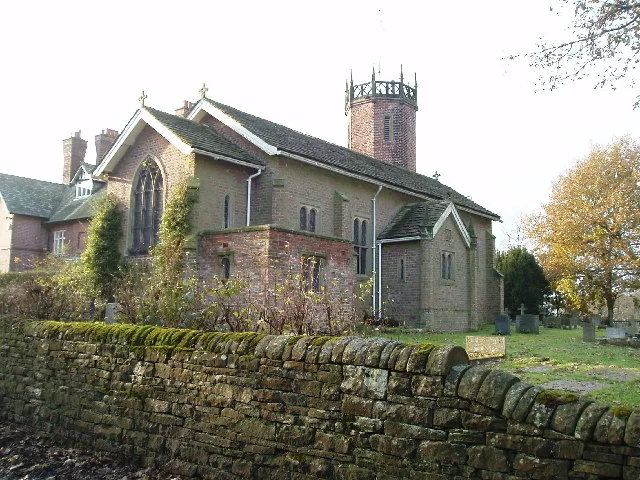
St Catherine's Church, Over Alderley
Historic churches · 3.0 km
Nearby
📷 3Historic churches · North West England
Holy Trinity Chapel, Capesthorne
Holy Trinity Chapel, Capesthorne — church in Siddington, Cheshire, England, UK.
📷 5Caravan parks · North West England
Capesthorne Caravan Park
Capesthorne Caravan Park — a caravan park in england west midlands.
📷 3Historic bridges · North West England
Bridge Across The Lake At Capesthorne Hall
Bridge Across The Lake At Capesthorne Hall — Grade II listed building-listed bridge in england-west-midlands, United Kingdom.
📷 3Historic bridges · North West England
Siddington Bridge
Siddington Bridge — Grade II listed building-listed bridge in england-west-midlands, United Kingdom.
📷 5Museums · North West England
Siddington, Cheshire
Siddington, Cheshire — a museum in england-west-midlands, United Kingdom.
📷 3Historic churches · North West England
All Saints Church, Siddington
All Saints Church, Siddington — church in Cheshire East, Cheshire, England, UK.
Where to eat & stay near Capesthorne Hall
Places to stay
📷 5Caravan parks · North West England
Capesthorne Caravan Park
Capesthorne Caravan Park — a caravan park in england west midlands.
 📷 5
📷 5Caravan parks · North West England
River Dane Holiday Park
River Dane Holiday Park — a caravan park in england west midlands.
 📷 5
📷 5Hotels · Yorkshire & the Humber
Mottram Hall Hotel
Mottram Hall Hotel — a hotel in england west midlands.
 📷 5
📷 5Caravan parks · West Midlands
Stoneyfold Caravan Park
Stoneyfold Caravan Park — a caravan park in england west midlands.
 📷 5
📷 5Caravan parks · North West England
Woodlands Park
Woodlands Park — a caravan park in england west midlands.
 📷 5
📷 5Hotels · West Midlands
Hollin House Hotel
Hollin House Hotel — a hotel in england west midlands.
Places to eat & drink
📷 5Restaurants · North West England
The Churchill Tree
The Churchill Tree — a restaurant in england west midlands.
 📷 5
📷 5Historic pubs · North West England
Harrington Arms
Harrington Arms in England North West, United Kingdom.
 📷 5
📷 5Historic pubs · North West England
Swettenham Arms
Swettenham Arms in England North West, United Kingdom.
 📷 5
📷 5Historic pubs · North West England
Bate Hall Public House
Bate Hall Public House in England North West, United Kingdom.
 📷 5
📷 5Historic pubs · North West England
The Castle, Macclesfield
The Castle, Macclesfield in England North West, United Kingdom.
 📷 5
📷 5Historic pubs · North West England
2 and 4, Market Place
2 and 4, Market Place in England North West, United Kingdom.
More gardens in this region
 📷 3
📷 3Gardens · North West England
Latticework Viaducts, Castlefield
Latticework Viaducts, Castlefield — railway viaduct in Manchester, Greater Manchester, England, UK.
.jpg?width=1200) 📷 3
📷 3Gardens · North West England
RHS Garden Bridgewater
RHS Garden Bridgewater — Public garden in Greater Manchester, England.
 📷 3
📷 3Gardens · North West England
Tatton Park Gardens
Tatton Park Gardens — Gardens in Cheshire, England.
 📷 5
📷 5Gardens · North West England
John Rylands Library
John Rylands Library — a garden in england-west-midlands, United Kingdom.
Frequently asked questions
- Where is Capesthorne Hall?
- Capesthorne Hall is in North-West England, United Kingdom (postcode SK11 9JY), in the parish of Siddington.
- What is Capesthorne Hall?
- Capesthorne Hall — manor in Cheshire, England, UK.
- How do I get to Capesthorne Hall?
- The nearest railway station is Chelford, about 3.4 km away. The nearest town is Soss Moss. Drivers can use postcode SK11 9JY.
- When was Capesthorne Hall built?
- Built or established in 1719.
- Who owns Capesthorne Hall?
- Capesthorne Hall is owned by Privately owned.
- Is Capesthorne Hall a listed building?
- Capesthorne Hall is officially recognised as Grade II* listed building listed.
- How do I get to Capesthorne Hall?
- The nearest railway station is Chelford, about 3.4 km away. Drivers can navigate to postcode SK11 9JY.