
Hill forts · Scottish Highlands
Burghead Fort
In or near Hopeman.
Burghead Fort — hillfort in Moray, Scotland, UK.

Wikimedia Commons contributors — see linked file page for photographer and licence licence

Plan your visit
- Typical visit
- 1 h–2 h
- Free entry
- Family-friendly
- Dog-friendly
About
Burghead Fort is a hill fort in the United Kingdom. Heritage designation: part of a Scheduled Monument. Part of Burghead, fort, graveyard and chapel, including the Clavie. Wikidata describes it as: "hillfort in Moray, Scotland, UK". Coordinates: 57.7032°, -3.4967°.
Photo gallery
From the Wikipedia article
Burghead Fort was a Pictish promontory fort on the site now occupied by the small town of Burghead in Moray, Scotland. It was one of the earliest power centres of the Picts and was three times the size of any other enclosed site in Early Medieval Scotland. The fort was probably the main centre of the Pictish Kingdom of Fortriu, flourishing with the kingdom itself from the 4th to the 9th centuries. Burghead is not recorded in any surviving annals and its name in the Pictish language is not recorded, but it may be the Pinnata Castra that features in Ptolemy's 2nd-century Geography. The original defences may date from the Iron Age but were substantially rebuilt during the early historic period. The remains of the fort were largely destroyed when the harbour and town of Burghead were remodelled in the early 19th century, but its layout is recorded in a plan drawn by William Roy and published posthumously in 1793. Sections of its inner ramparts still stand up to 9.8 feet (3.0 m) high, and a small section of the innermost outer rampart survives as the "Doorie Hill". The fort's underground ritual well can be visited and the site has a visitor centre where important Pictish sculptures from the fort are displayed.
Excerpt from Wikipedia under CC BY-SA 4.0. See the source article linked in Sources below.
Background
History
The fort was built in multiple phases. a possibility reinforced by the Celtic stone head that was discovered in the well in the 19th century. The Burning of the Clavie, which still takes place in Burghead annually, has also been seen as a surviving pagan fire festival. There is archaeological evidence of a chapel within the fort by the 8th century, and decorated stones dating from around AD 800 found in Burghead churchyard were probably the remains of Christian crosses. Fragments of an early Christian shrine have been discovered immediately outside the fort, and the secular power centre of the fort may have had a significant relationship with the major Pictish religious centres of…
Architecture
The site consisted of a walled inner enclosure measuring 1000 ft in length and 600 ft in width, which was divided into two wards or courts: a smaller, higher enclosure or citadel to the southwest, and a larger, lower one to the northeast. In total the enclosure occupied an area of 12.4 acre. Cutting off the enclosure and the headland was a system of three ramparts and ditches, together measuring 800 ft by 180 ft, with each cut by entrances midway along. These were constructed of earth and rubble. Excavations in the 1890s revealed a paved roadway through the fort. The western wall of the upper enclosure was excavated in 1969 and found to be exceptionally massive, with an 8 m base and a…
Description
on display at the British Museum]] During the destruction of the site in the early 19th century, up to thirty stone panels carrying carved images of bulls were discovered. Although most of these were built into the quay wall of Burghead Harbour and thus lost, six remain: two in the visitor centre in Burghead itself, two in Elgin Museum, one in the National Museum of Scotland in Edinburgh and one in the British Museum in London. The Bulls have been dated to the 5th century or later and may have formed a frieze set into the ramparts of the fort, possibly forming part of a warrior cult celebrating strength and aggression. The degree of naturalism of the Burghead Bulls is unequalled in early…
Sourced from Wikipedia under CC BY-SA 4.0.
- Coordinates
- 57.7032, -3.4967
- District
- Moray
- Postcode
- IV30 5TZ
- Parliamentary constituency
- Moray West, Nairn and Strathspey
Sources
- wikidata: Q1015054 (CC0)
- wikipedia: Burghead Fort (CC BY-SA 4.0)
- commons: Burghead well approach.jpg (CC BY-SA 4.0)
Other places nearby

Brochers' Memorial
Memorials & monuments · 0.1 km

Burghead Museum
Museums · 0.1 km

Doorie Hill
Archaeological sites · 0.1 km

Harvest Reaper
Memorials & monuments · 0.1 km

Burghead Well (Pictish)
Archaeological sites · 0.1 km

Burghead Harbour
Marinas · 0.1 km

Shetland Bus War Memorial
Memorials & monuments · 0.2 km

Compass rose
Natural landmarks · 0.2 km

Benjamin MacLean Memorial Fountain
Memorials & monuments · 0.5 km
Burghead War Memorial
Memorials & monuments · 0.5 km

Burghead Beach Caravan Park
Caravan parks · 0.8 km

Clarkly Hill
Mountains & hills · 2.2 km
Nearby
📷 3Memorials & monuments · Scottish Highlands
Brochers' Memorial
Brochers' Memorial — a memorial in scotland-highlands, United Kingdom.
📷 3Museums · Scottish Highlands
Burghead Museum
Burghead Museum — a museum in scotland-highlands, United Kingdom.
📷 3Archaeological sites · Scottish Highlands
Doorie Hill
Doorie Hill — a archaeological in scotland-highlands, United Kingdom.
📷 3Memorials & monuments · Scottish Highlands
Harvest Reaper
Harvest Reaper — a memorial in scotland-highlands, United Kingdom.
📷 3Archaeological sites · Scottish Highlands
Burghead Well (Pictish)
Burghead Well (Pictish) — a archaeological in scotland-highlands, United Kingdom.
📷 5Where to eat & stay near Burghead Fort
Places to stay
📷 5Caravan parks · Scottish Highlands
Burghead Beach Caravan Park
Burghead Beach Caravan Park — a caravan park in scotland highlands.
 📷 5
📷 5Caravan parks · Scottish Highlands
Station Caravan Park
Station Caravan Park — a caravan park in scotland highlands.
 📷 5
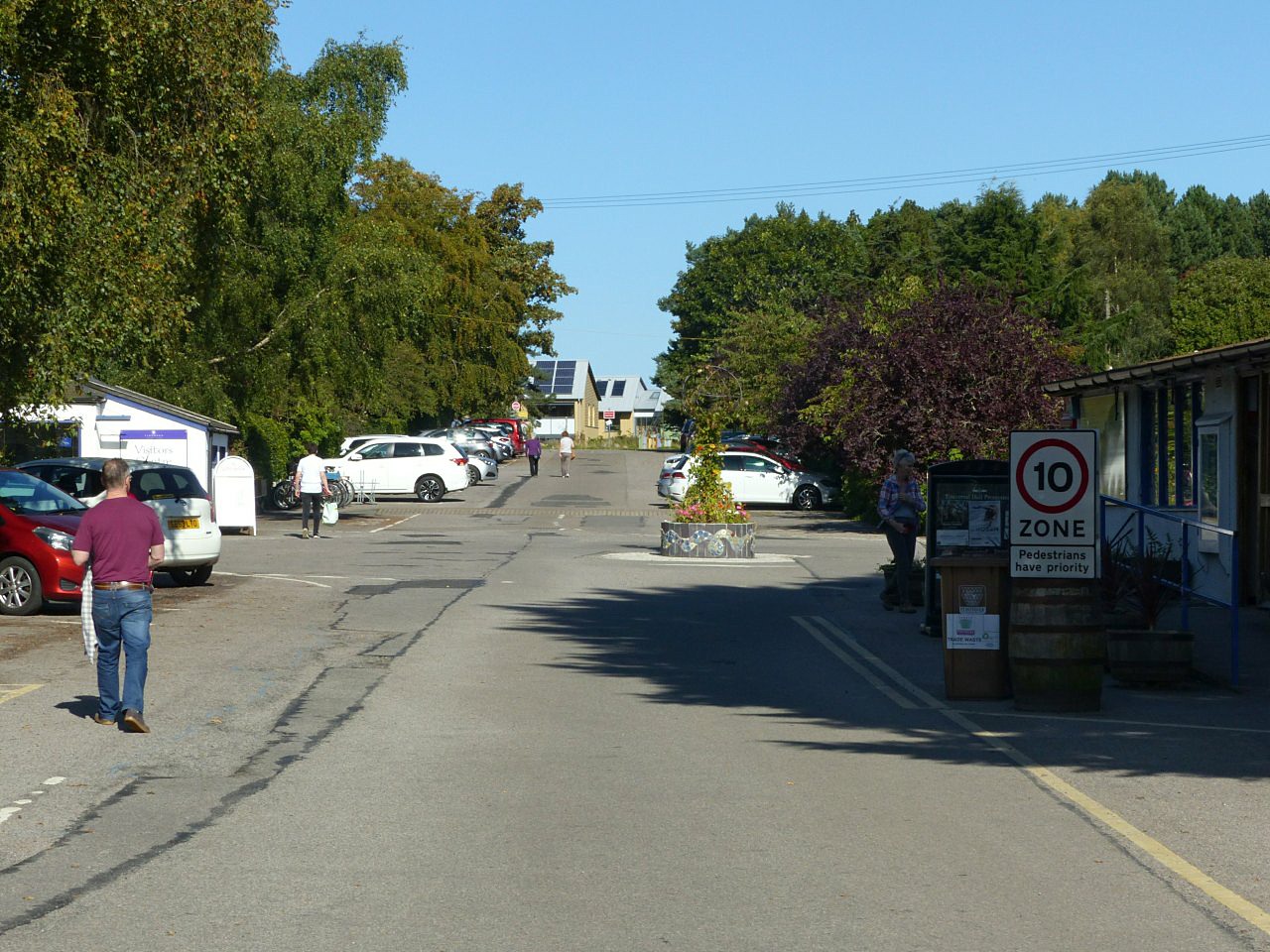
📷 5Caravan parks · Scottish Highlands
North Alves Holiday Park
North Alves Holiday Park — a caravan park in scotland highlands.
 📷 5
📷 5Campsites · Scottish Highlands
Findhorn Bay Holiday Park
Findhorn Bay Holiday Park — a campsite in scotland highlands.
 📷 5
📷 5Hostels · Scottish Highlands
The Findhorn Hostel
The Findhorn Hostel — a hostel in scotland highlands.
 📷 5
📷 5Caravan parks · Scottish Highlands
Seaview Caravan Park
Seaview Caravan Park — a caravan park in scotland highlands.
More places in this region
 📷 3
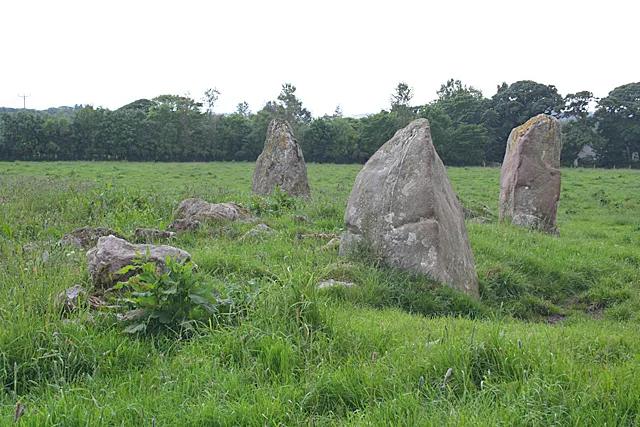
📷 3Hill forts · Scottish Highlands
Aquhorthies stone circle
Aquhorthies stone circle — architectural structure in Aberdeenshire, Scotland, UK.
 📷 3
📷 3Hill forts · Scottish Highlands
Auchinhove
Auchinhove — archaeological site in Moray, Scotland, UK.
 📷 3
📷 3Hill forts · Scottish Highlands
Balbridie
Balbridie — Neolithic timber hall remains in Aberdeenshire, Scotland, UK.
 📷 3
📷 3Hill forts · Scottish Highlands
Balnageith Farmhouse
Balnageith Farmhouse — archaeological site in Moray, Scotland, UK.
Frequently asked questions
- Where is Burghead Fort?
- Burghead Fort is in the Scottish Highlands, United Kingdom (postcode IV30 5TZ).
- What is Burghead Fort?
- Burghead Fort — hillfort in Moray, Scotland, UK.
- How do I get to Burghead Fort?
- The nearest town is Hopeman. Drivers can use postcode IV30 5TZ.
- Is Burghead Fort a listed building?
- Burghead Fort is officially recognised as part of a Scheduled Monument listed.
- Is Burghead Fort free to visit?
- Yes, Burghead Fort is free to enter.
- How do I get to Burghead Fort?
- Drivers can navigate to postcode IV30 5TZ. It sits within the Moray West, Nairn and Strathspey parliamentary constituency.