
Stately homes · London
Bruce Castle
In or near City of London.
Bruce Castle — manor house in London, United Kingdom.

Wikimedia Commons contributors — see linked file page for photographer and licence licence
.jpg)
Plan your visit
- Typical visit
- 2 h–4 h
- Nearest railway station
- White Hart Lane · 0.7 km
- Free entry
- Family-friendly
- Limited wheelchair access
Getting there & planning your visit
To visit Bruce Castle, the nearest railway station is White Hart Lane, located 0.7 km away. Entry to the site is free, but please note that wheelchair accessibility is limited. The postcode for sat-nav is N17 8NU.
About
Bruce Castle is a stately home in the United Kingdom. Records date its origin to 1684. Heritage designation: Grade I listed building. Named after Clan Bruce. Address: http://www.wikidata.org/entity/Q6680226. Wikidata describes it as: "manor house in London, United Kingdom". Coordinates: 51.5992°, -0.0753°.
Photo gallery
See it from the streetimagery from 2022
Imagery © Mapillary contributors, CC BY-SA 4.0
Heritage listing
Bruce Castle (formerly the Lordship House) is a Grade I listed 16th-century manor house in Lordship Lane, Tottenham, London. It is named after the House of Bruce who formerly owned the land on which it is built. Believed to stand on the site of an earlier building, about which little is known, the current house is one of the oldest surviving English brick houses. It was remodelled in the 17th, 18th and 19th centuries. The house has been home to Sir William Compton, the Barons Coleraine and Sir Rowland Hill, among others.
From the Historic England List Entry under OGL v3.
Official information
Bruce Castle is a historic site that offers over 1,000 years of stories, transitioning from a manor house to a museum. Visitors can explore the Tudor Tower and learn about the Hare dynasty, as well as the acts of radicalism and reform associated with the castle's history.
From the Wikipedia article
Bruce Castle (formerly the Lordship House) is a Grade I listed 16th-century manor house in Lordship Lane, Tottenham, London. It is named after the House of Bruce who formerly owned the land on which it is built. Believed to stand on the site of an earlier building, about which little is known, the current house is one of the oldest surviving English brick houses. It was remodelled in the 17th, 18th and 19th centuries. The house has been home to Sir William Compton, the Barons Coleraine and Sir Rowland Hill, among others. After serving as a school during the 19th century, when a large extension was built to the west, it was converted into a museum exploring the history of the areas now constituting London Borough of Haringey and, on the strength of its connection with Sir Rowland Hill, the history of the Royal Mail. The building also houses the archives of the London Borough of Haringey. Since 1892 the grounds have been a public park, Tottenham's oldest.
Excerpt from Wikipedia under CC BY-SA 4.0. See the source article linked in Sources below.
Background
History
. The Norman All Hallows' Church and priory, then as now the oldest surviving buildings in the area, are also shown.]] The name Bruce Castle is derived from the House of Bruce, who had historically owned a third of the manor of Tottenham. However, there was no castle in the area, and it is unlikely that the family lived nearby. Upon his accession to the Scottish throne in 1306, Robert I of Scotland forfeited his lands in England, including the Bruce holdings in Tottenham, The three parts of the manor of Tottenham were united in the early 15th century under the Gedeney family and have remained united since. In all early records, the building is referred to as the Lordship House. The name…
Architecture
A detached, cylindrical Tudor tower stands immediately to the south-west of the house, and is generally considered to be the earliest part of the building; however, Lysons believes it to have been a later addition. It was described in 1829 as being over a deep well, and being used as a dairy. Sources disagree on the house's initial construction date, and no records survive of its construction. There is some archaeological evidence dating parts of the building to the 15th century; although the Royal Commission on Historic Monuments attributes it to the late 16th century. Nikolaus Pevsner speculates the front may have formed part of a courtyard house of which the remainder has disappeared.…
Description
Although sources such as Pegram speculate that Constantia committed suicide in the face of a continued relationship between Hare and the Duchess of Somerset, The earliest recorded reference to the ghost appeared in 1858—almost two hundred years after her death—in the Tottenham & Edmonton Advertiser. The legend has now been largely forgotten, and there have been no reported sightings of the ghost in recent times.
Visiting
Bruce Castle is now a museum, holding the archives of the London Borough of Haringey, and housing a permanent exhibition on the past, present and future of Haringey and its predecessor boroughs, and temporary displays on the history of the area. and one of the few copies available for public reading of the Spurs Opus, the complete history of Tottenham Hotspur. In 1949, the building was Grade I listed; the round tower was separately Grade I listed at the same time, and the 17th-century southern and western boundary walls of the park were Grade II listed in 1974. In 1969 the castle became home to the regimental museum of the Middlesex Regiment whose collection was subsequently transferred to…
Sourced from Wikipedia under CC BY-SA 4.0.
- Coordinates
- 51.5992, -0.0753
- District
- Haringey
- Parish
- Haringey, unparished area
- Postcode
- N17 8NU
- Parliamentary constituency
- Tottenham
- Established
- 1684
- Nearest railway station
- White Hart Lane — 0.7 km
- Opening
- We-Su 13:00-17:00
- Official site
- brucecastle.org
Sources
- wikidata: Q991572 (CC0)
- wikipedia: Bruce Castle (CC BY-SA 4.0)
- commons: Bruce Castle front 2024-02-24 (2).jpg (CC BY-SA 4.0)
Other places nearby

Bruce Castle Museum
Museums · 0.0 km
Interlocking Rings
Public art & sculpture · 0.0 km

Bruce Castle School
Castles · 0.0 km

Tower to south west of Bruce Castle
Memorials & monuments · 0.0 km

Front Wall And Gates To The Priory
Holy wells · 0.1 km

War Memorial at All Hallows Church
Memorials & monuments · 0.2 km
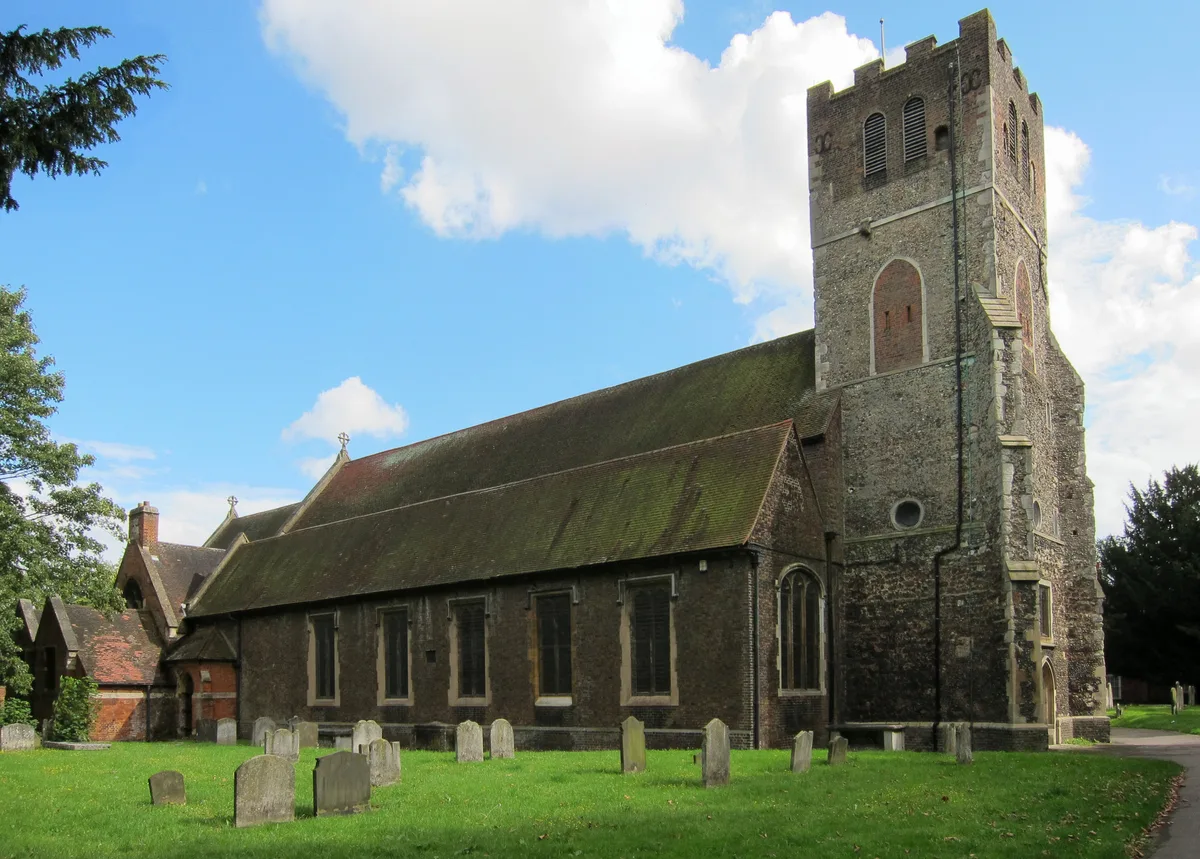
All Hallows' Church, Tottenham
Historic churches · 0.2 km

Grove House School
Historic houses · 0.2 km

Lea Valley Lines
Historic bridges · 0.3 km

Lea Valley Lines
Historic bridges · 0.4 km

Lea Valley Lines
Historic bridges · 0.4 km

Lea Valley Lines
Historic bridges · 0.4 km
Nearby
📷 5Museums · London
Bruce Castle Museum
Bruce Castle Museum — a museum in england-london, United Kingdom.
📷 5Public art & sculpture · London
Interlocking Rings
Interlocking Rings — a public art in england-london, United Kingdom.
📷 5Castles · London
Bruce Castle School
Bruce Castle School — a school heritage in england-london, United Kingdom.
📷 5Memorials & monuments · London
Tower to south west of Bruce Castle
Tower to south west of Bruce Castle — Grade I listed building-listed memorial in england-london, United Kingdom.
📷 5Holy wells · London
Front Wall And Gates To The Priory
Front Wall And Gates To The Priory — wall in London Borough of Haringey, London, England, UK.
📷 5Memorials & monuments · London
War Memorial at All Hallows Church
War Memorial at All Hallows Church — Grade II listed building-listed memorial in england-london, United Kingdom.
Where to eat & stay near Bruce Castle
Places to stay
 📷 5
📷 5 📷 7
📷 7 📷 5
📷 5 📷 5
📷 5Hostels · London
YMCA London City and North
YMCA London City and North — a hostel in england london.
 📷 5
📷 5 📷 5
📷 5Places to eat & drink
 📷 5
📷 5 📷 5
📷 5Historic pubs · London
Great Northern Railway
Great Northern Railway in England London, United Kingdom.
 📷 7
📷 7 📷 7
📷 7Historic pubs · London
Queens, Crouch End
Queens, Crouch End in England London, United Kingdom.
 📷 7
📷 7Historic pubs · London
Mirth, Marvel and Maud
Mirth, Marvel and Maud in England London, United Kingdom.
 📷 7
📷 7Other places from this era
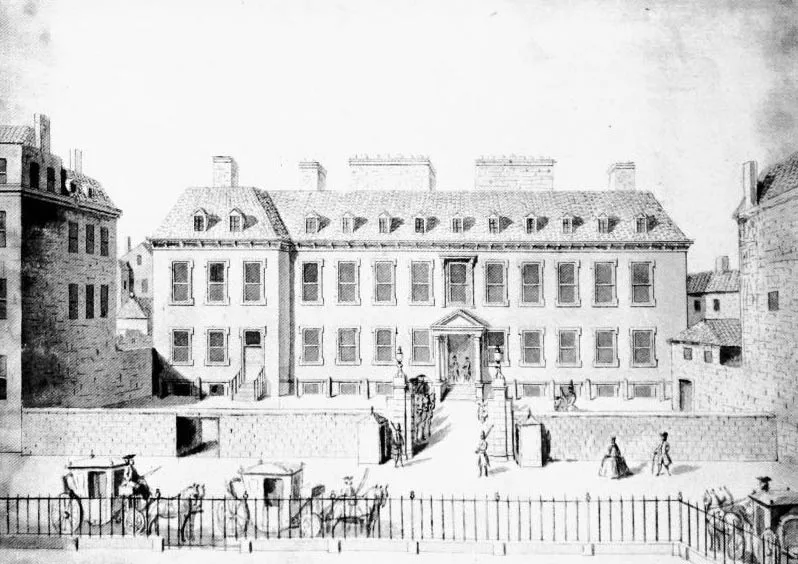 Flagship📷 5
Stately homes · London
Leicester House
Leicester House — townhouse in Westminster, London, demolished 1791.
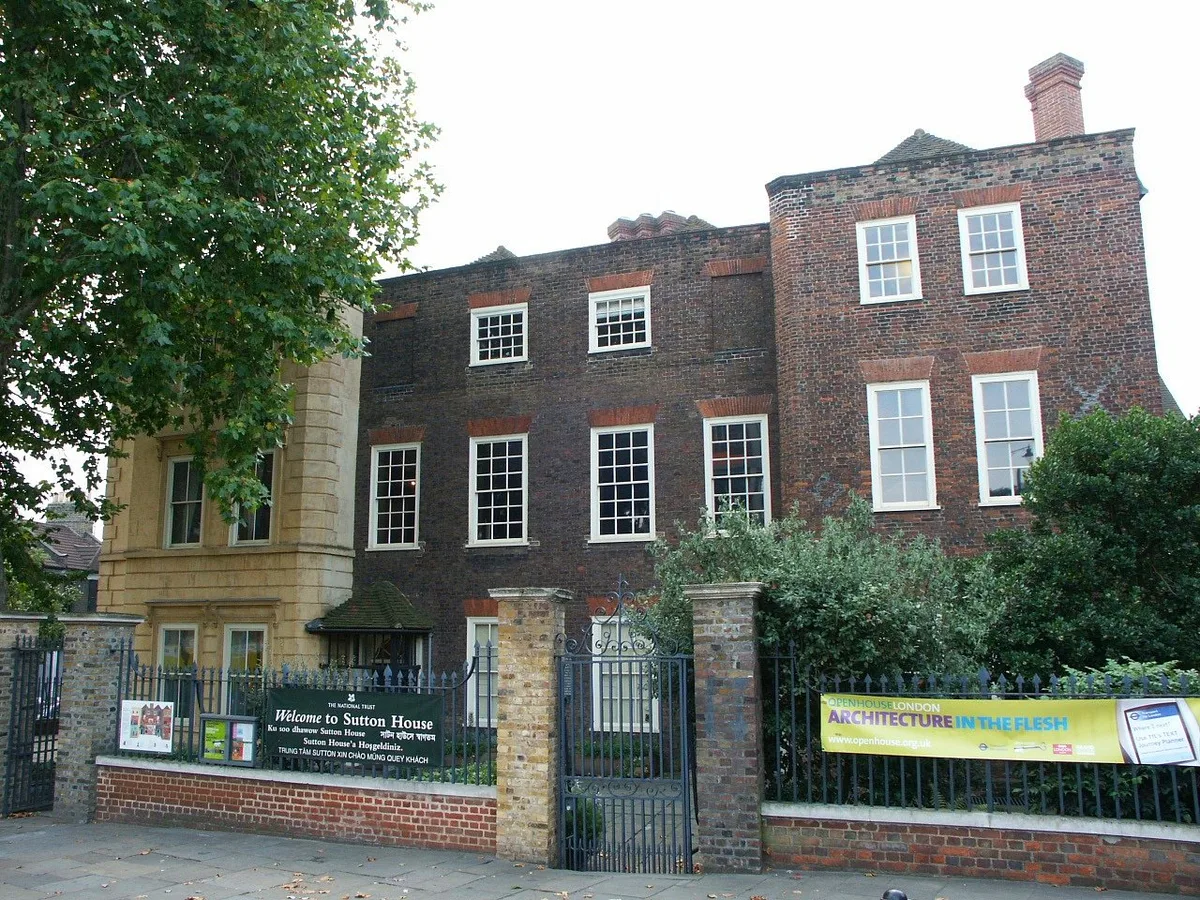 📷 5
📷 5Stately homes · London
Sutton House
Sutton House — Tudor manor house in Hackney.
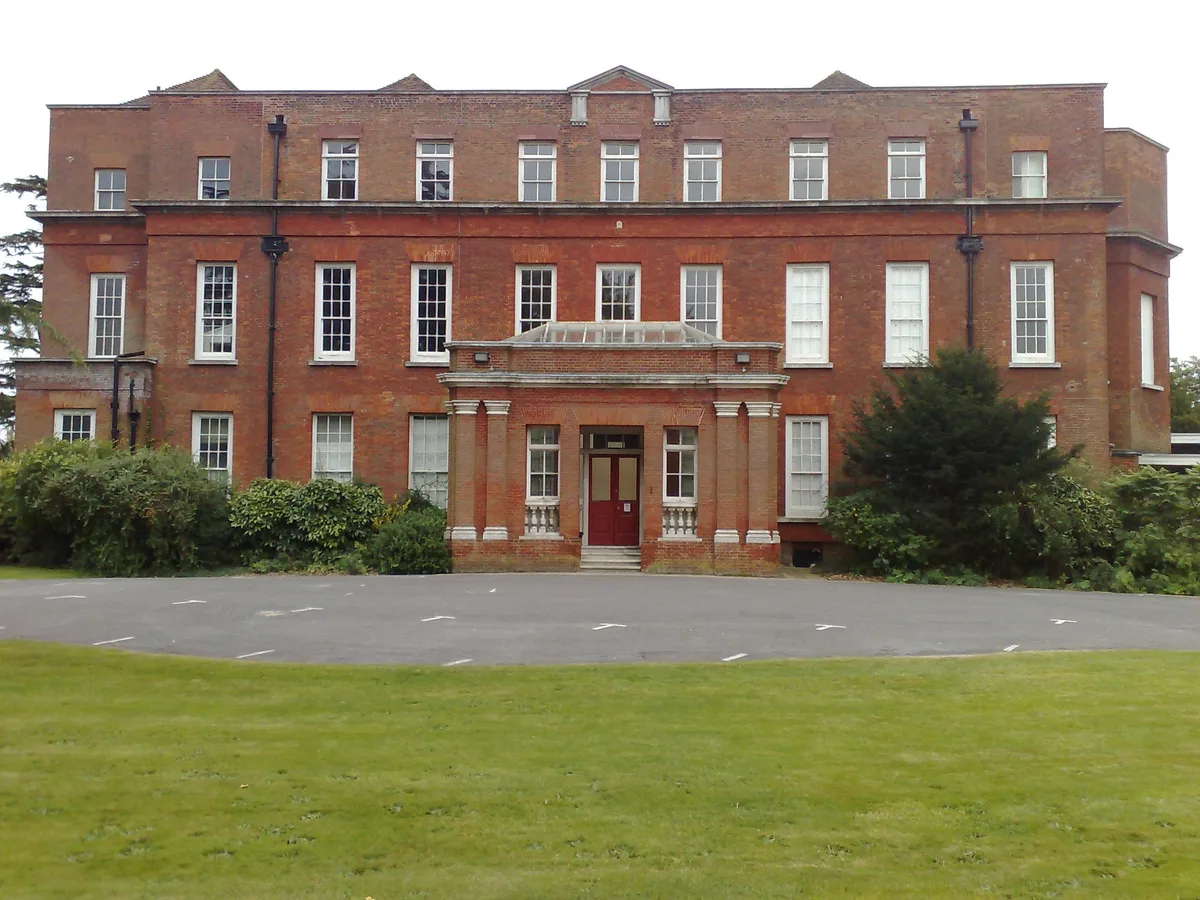 📷 5
📷 5Stately homes · South East England
South Stoneham House
South Stoneham House — former manor house and hall of residence in Southampton.
 Flagship📷 3
Stately homes · South East England
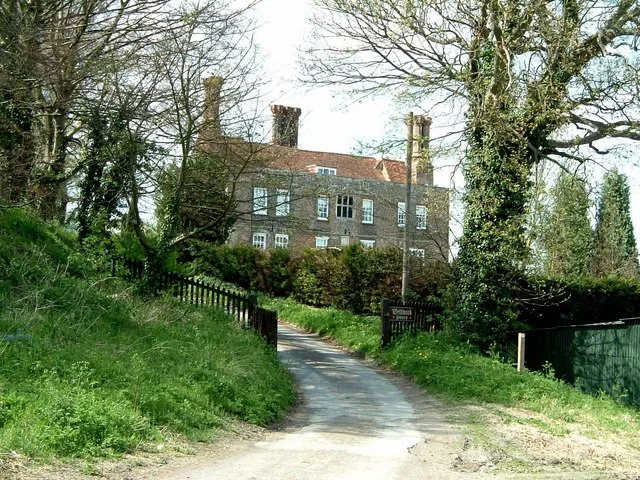
Wellwick Manor
Wellwick Manor — house in Ellesborough/Wendover, Buckinghamshire, England, UK.
More places in this region
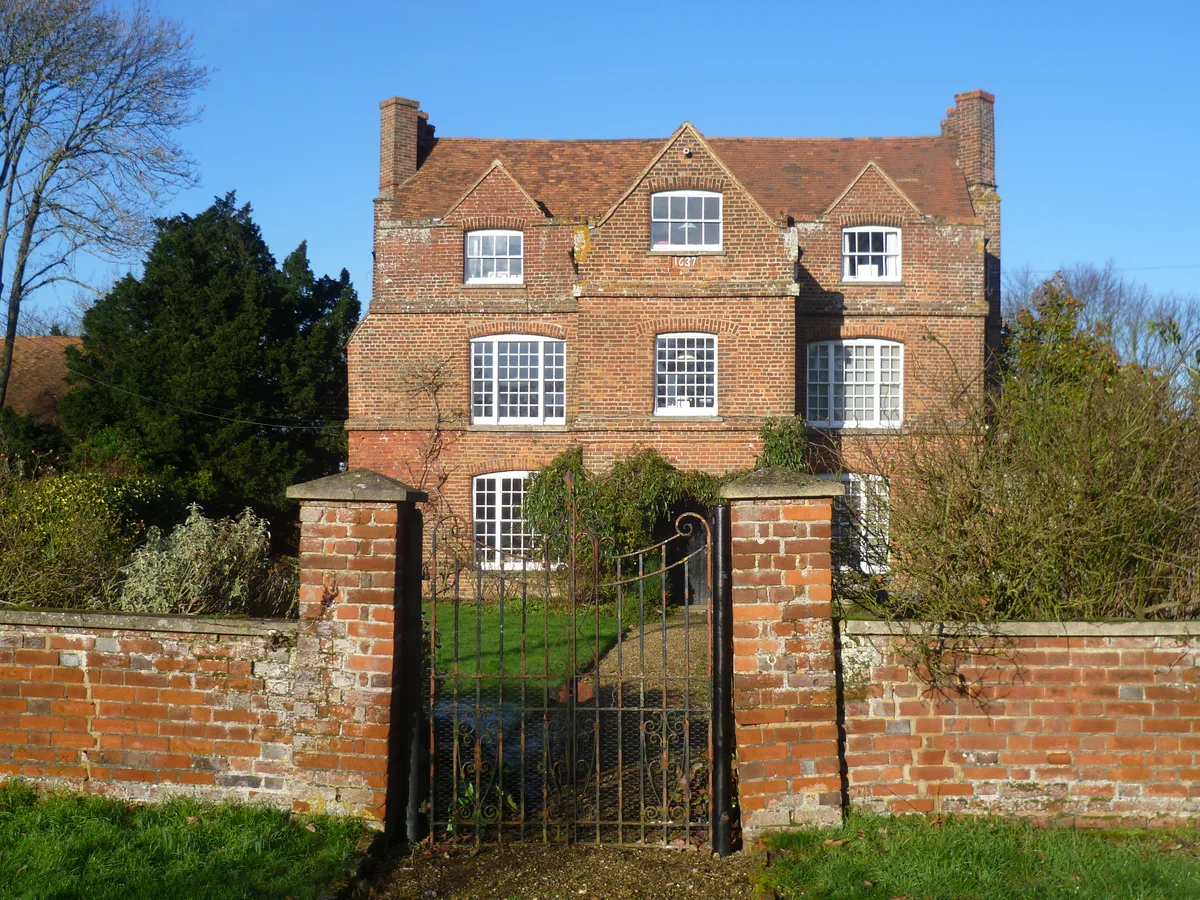 Flagship📷 5
 📷 5
📷 5Stately homes · London
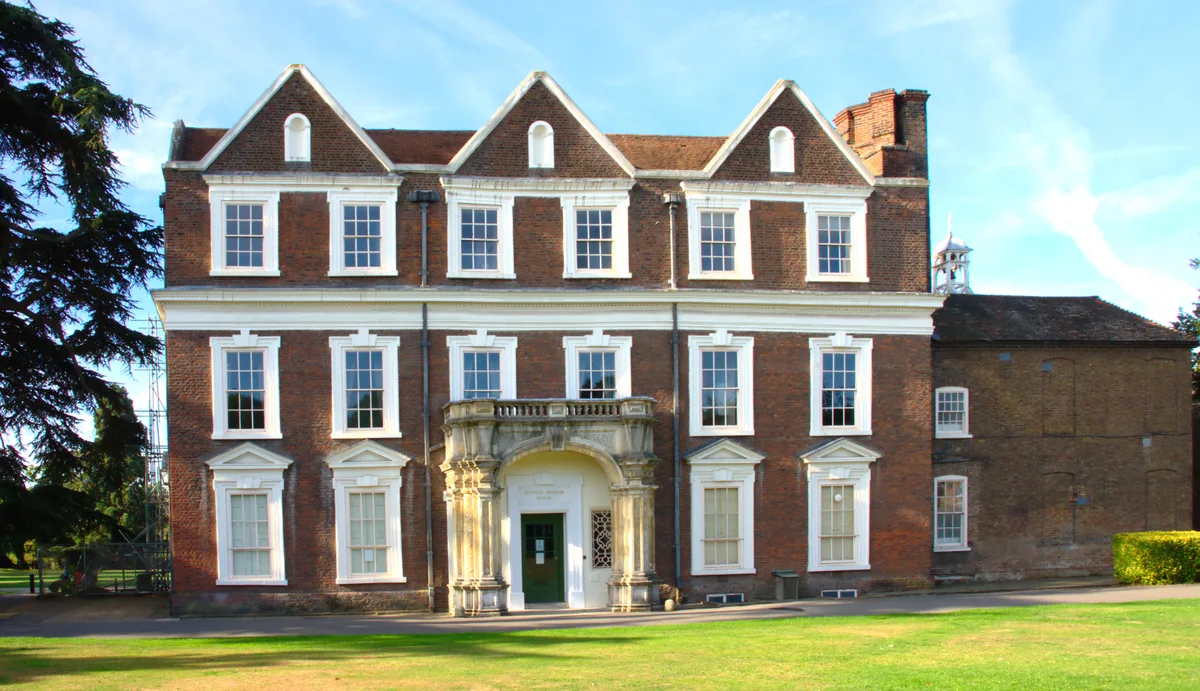
Boston Manor
Boston Manor — historic house museum in Brentford, London, UK.
 📷 5
📷 5Stately homes · London
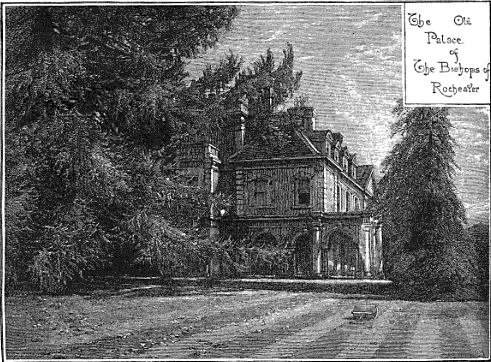
Bromley Palace
Bromley Palace — historic residence of the Bishops of Rochester in Bromley, London.
_(14778355285).jpg?width=1200) 📷 5
📷 5Frequently asked questions
- Where is Bruce Castle?
- Bruce Castle is in London, United Kingdom (postcode N17 8NU), in the parish of Haringey, unparished area.
- What is Bruce Castle?
- Bruce Castle — manor house in London, United Kingdom.
- How do I get to Bruce Castle?
- The nearest railway station is White Hart Lane, about 0.7 km away. The nearest town is City of London. Drivers can use postcode N17 8NU.
- When was Bruce Castle built?
- Built or established in 1684.
- Is Bruce Castle a listed building?
- Bruce Castle is officially recognised as Grade I listed building listed.
- Is Bruce Castle free to visit?
- Yes, Bruce Castle is free to enter.
- How do I get to Bruce Castle?
- The nearest railway station is White Hart Lane, about 0.7 km away. Drivers can navigate to postcode N17 8NU.