
Canals · North West England
Bridgewater Canal
Also known as: Camlas Bridgewater
In or near Croft.
Bridgewater Canal — canal in North West England.

Wikimedia Commons contributors — see linked file page for photographer and licence licence

Plan your visit
- Typical visit
- 1 h–2 h
- Nearest railway station
- Trencherbone Platform · 4.9 km
- Free entry
- Dog-friendly
Getting there & planning your visit
To visit the Bridgewater Canal, the nearest railway station is Trencherbone Platform, located 4.9 km away. Entry to the canal is free.
About
Bridgewater Canal is a canal in the United Kingdom. Named after water. Part of Cheshire Ring. Wikidata describes it as: "canal in North West England". Coordinates: 53.4833°, -2.5167°.
Photo gallery
Official information
The Bridgewater Canal is notable for its historical significance and scenic beauty, providing a picturesque route for walking and cycling. It features a blue plaque commemorating the childhood home of musician Pete Shelley, celebrating his contributions to music and culture.
From the Wikipedia article
The Bridgewater Canal connects Runcorn, Manchester and Leigh, in North West England. It was commissioned by Francis Egerton, 3rd Duke of Bridgewater, to transport coal from his mines in Worsley to Manchester. It was opened in 1761 from Worsley to Manchester, and later extended from Manchester to Runcorn, and then from Worsley to Leigh. The canal is connected to the Manchester Ship Canal via a lock at Cornbrook; to the Rochdale Canal in Manchester; to the Trent and Mersey Canal at Preston Brook, southeast of Runcorn; and to the Leeds and Liverpool Canal at Leigh. It once connected with the River Mersey at Runcorn but has since been cut off by a slip road to the Silver Jubilee Bridge. Following the re-routing of roads to the Silver Jubilee Bridge, the Runcorn Locks Restoration Society campaigns to reinstate the flight of locks. The Bridgewater Canal is described as the first great achievement of the canal age, although the Sankey Canal opened earlier. Bridgewater captured the public imagination because of its engineering feats; it required the construction of an aqueduct to cross the River Irwell, and a tunnel at Worsley. Its success helped inspire a period of intense canal building in Britain, known as Canal Mania. It later faced intense competition from the Liverpool and Manchester Railway and the Macclesfield Canal. Navigable throughout its history, it is one of the few canals in Britain not to have been nationalised, and remains privately owned. Pleasure craft now use the canal which forms part of the Cheshire Ring network of canals.
Excerpt from Wikipedia under CC BY-SA 4.0. See the source article linked in Sources below.
Background
Architecture
Francis Egerton, 3rd Duke of Bridgewater, owned some of the coal mines dug to supply North West England with fuel for the steam engines instrumental in powering England's Industrial Revolution. The duke transported his coal along the Mersey and Irwell Navigation and also by packhorse, but each method was inefficient and expensive; river transport was subject to the vagaries of river navigation, and the amount of coal packhorses could carry was limited by its relative weight. The duke's underground mines also suffered from persistent flooding, caused by the geology of the Middle Coal Measures, where the coal seam lies beneath a layer of permeable sandstone. | territorial_extent = Great…
Sourced from Wikipedia under CC BY-SA 4.0.
- Coordinates
- 53.4833, -2.5167
- District
- Wigan
- Parish
- Wigan, unparished area
- Postcode
- WN7 3JX
- Parliamentary constituency
- Leigh and Atherton
- Established
- 1761
- Nearest railway station
- Trencherbone Platform — 4.9 km
- Official site
- louderthanwar.com
Sources
- wikidata: Q913932 (CC0)
- wikipedia: Bridgewater Canal (CC BY-SA 4.0)
- commons: Worsley packet house closeup large image.jpg (CC BY-SA 4.0)
Other places nearby

Pete Shelley
Memorials & monuments · 0.2 km

Hope Carr Hall
Archaeological sites · 0.7 km

Pennington Mill Bridge
Historic bridges · 0.7 km

Rugby League
Memorials & monuments · 0.8 km
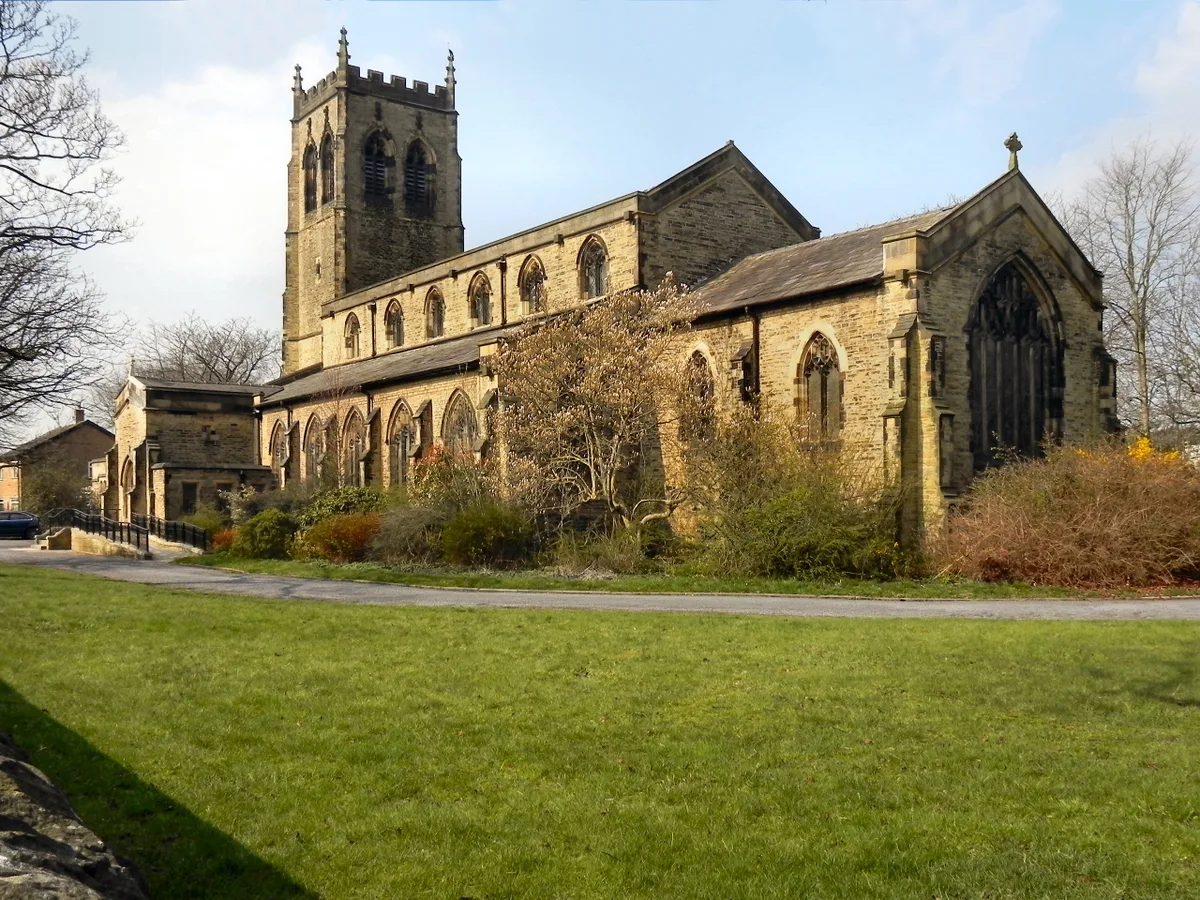
Christ Church, Pennington
Historic churches · 0.9 km

Breaston Bridge
Historic bridges · 1.1 km

Dick Mather Bridge
Historic bridges · 1.2 km

Leigh Sports Village
Stadiums · 1.2 km

ABC Leigh
Theatres · 1.3 km

Cineworld Cinema Leigh
Theatres · 1.3 km
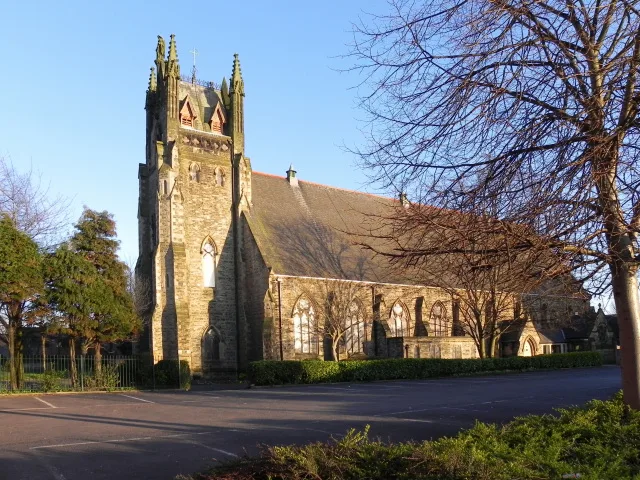
St Joseph's Roman Catholic Church, Leigh
Historic churches · 1.3 km

Pennington Bridge
Historic bridges · 1.4 km
Nearby
📷 5Memorials & monuments · North West England
Pete Shelley
Pete Shelley — a memorial in england-west-midlands, United Kingdom.
📷 3Archaeological sites · North West England
Hope Carr Hall
Hope Carr Hall — a archaeological in england-west-midlands, United Kingdom.
📷 3Historic bridges · North West England
Pennington Mill Bridge
Pennington Mill Bridge is a historic bridge in the United Kingdom.
📷 4Memorials & monuments · North West England
Rugby League
Rugby League — a memorial in england-west-midlands, United Kingdom.
📷 3Historic churches · North West England
Christ Church, Pennington
Christ Church, Pennington — church in Pennington, Greater Manchester, England, UK.
📷 3Historic bridges · North West England
Breaston Bridge
Breaston Bridge is a historic bridge in the United Kingdom.
Where to eat & stay near Bridgewater Canal
Places to stay
 📷 5
📷 5Hostels · North West England
Riverside Project
Riverside Project — a hostel in england west midlands.
 📷 4
📷 4Caravan parks · North West England
Ella View Lodge
Ella View Lodge — a caravan park in england north west.
📷 5Caravan parks · North West England
Fairview Caravan Park
Fairview Caravan Park — a caravan park in england north west.
 📷 5
📷 5Campsites · North West England
Hollinwood Scout Camp
Hollinwood Scout Camp — a campsite in england west midlands.
 📷 5
📷 5Campsites · North West England
Holly Bank Caravan Park
Holly Bank Caravan Park — a campsite in england west midlands.
 📷 5
📷 5Caravan parks · North West England
Brookdale Park
Brookdale Park — a caravan park in england north west.
Places to eat & drink
 📷 5
📷 5Historic pubs · North West England
Worsley Old Hall
Worsley Old Hall in England North West, United Kingdom.
 📷 5
📷 5Historic pubs · North West England
The Grapes Hotel
The Grapes Hotel in England North West, United Kingdom.
 📷 5
📷 5Historic pubs · North West England
Q26664383
Q26664383 in England North West, United Kingdom.
 📷 5
📷 5Historic pubs · North West England
John Bull Chop House
John Bull Chop House — Historic pub — listed building or notable heritage status.
 📷 7
📷 7Historic pubs · North West England
Dog and Partridge
Dog and Partridge in England North West, United Kingdom.
 📷 5
📷 5Historic pubs · North West England
Queens Arms
Queens Arms in England North West, United Kingdom.
More places in this region
 📷 4
📷 4 📷 3
📷 3Canals · North West England
Hulme Lock Branch Canal
Hulme Lock Branch Canal — Grade II listed canal in Manchester, Greater Manchester, England, UK.
 📷 5
📷 5Canals · North West England
Hulme Locks Branch Canal
Hulme Locks Branch Canal — canal in Manchester, England.
 📷 3
📷 3Canals · North West England
Islington Branch Canal
Islington Branch Canal is a canal in the United Kingdom.
Frequently asked questions
- Where is Bridgewater Canal?
- Bridgewater Canal is in North-West England, United Kingdom (postcode WN7 3JX), in the parish of Wigan, unparished area.
- What is Bridgewater Canal?
- Bridgewater Canal — canal in North West England.
- How do I get to Bridgewater Canal?
- The nearest railway station is Trencherbone Platform, about 4.9 km away. The nearest town is Croft. Drivers can use postcode WN7 3JX.
- When was Bridgewater Canal built?
- Built or established in 1761.
- Is Bridgewater Canal free to visit?
- Yes, Bridgewater Canal is free to enter.
- How do I get to Bridgewater Canal?
- The nearest railway station is Trencherbone Platform, about 4.9 km away. Drivers can navigate to postcode WN7 3JX.