
Castles · North East England
Boghead (bastle house)
In or near Falstone.
Boghead (bastle house) in England North East, United Kingdom.

Andrew Curtis — CC BY-SA 2.0 via Wikimedia Commons licence

Plan your visit
- Typical visit
- 1.5 h–3 h
- Family-friendly
- Limited wheelchair access
About
Boghead (bastle house) is a place of interest in England North East, United Kingdom — drawn from open-data sources for visitor reference. See the linked Wikipedia article for the full description.
Photo gallery
From the Wikipedia article
Boghead, also known variously as Bog Head, Corby Castle, Corbie Castle, Corbie's Castle, Barty's Pele, or Borbie Castle, is a 16th-century bastle house in Tarset, Northumberland. Bastles are fortified farm houses built in the early modern period in the Anglo-Scottish marches. They were designed to provide shelter to farmers and their livestock, who faced the threat of raids from border reivers. The Boghead site consists of remains of the bastle itself as well as the remains of two farmhouses and a sheepfold. Boghead is one of several bastles on the banks of Tarset Burn, a small river, and one of many in the wider North Tynedale area. Local folklore associates Boghead with the story of Barty Milburn and Corbit Jack, who undertook a retaliatory raid against Scots who had stolen sheep. According to the story, Barty killed two Scots, one of whom killed Corbit Jack, before returning with sheep. Barty Milburn may be the Bartrame Mylburne who reported an attack led by Kinmont Willie Armstrong on the people of Tynedale, including the people of Boghead, in 1583, which was the year Boghead entered the historical record. The site remained in use in the more peaceful following decades, but had seemingly fallen out of use by 1770. The site is a scheduled monument and the main bastle building is a Grade II listed building. It has national significance as a rare example of a relatively unmodified bastle building; as one of several surviving bastles in the local area; and because it features a "quenching hole", an unusual defensive feature to put out fires lit against the ground-floor doorway. The site is publicly accessible as part of the Tarset Bastle Trail. Writing in 2020, the journalist Katie Gatens described it as "a bastle slumped in the long grass, finally conquered by thick moss".
Excerpt from Wikipedia under CC BY-SA 4.0. See the source article linked in Sources below.
Background
History
Bastles are understood to have been built in the late 16th to 17th centuries. Few bastles have been excavated or dated. However, documentary evidence suggests that Boghill, and neighbouring bastles, were in existence by the middle to second half of the 16th century. However, this is comparatively early for bastles; those reliably dated typically originated towards the end of the period. It is therefore possible either that Boghead and its neighbours were early bastles, or else that the documentary evidence dating these settlements to the 16th century refer to pre-bastle dwellings. However, Lax reports that there is limited archaeological evidence of pre-bastle buildings at the sites in the…
Architecture
The site consists of four distinct structures: a bastle, two farmhouses (one in ruins, one identifiable from earthworks), and earthworks indicating a sheepfold with a possible shepherd's hut. Though the structures may have been built at different times, the buildings all represent part of the same bastle complex; at one time, they would have been a small hamlet.
Sourced from Wikipedia under CC BY-SA 4.0.
- Coordinates
- 55.2126, -2.3763
- District
- Northumberland
- Parish
- Tarset
- Postcode
- NE48 1RU
- Parliamentary constituency
- Hexham
Sources
- wikidata: Q26651728 (CC0)
- wikipedia: Boghead (bastle) (CC BY-SA 4.0)
Other places nearby
Bastle: Bog Head
Archaeological sites · 0.0 km

Bastle: Shilla Hill
Archaeological sites · 0.6 km

Comb Hill
Mountains & hills · 1.4 km

Black Middens Bastle House
Historic houses · 1.5 km
Bastle: Black Middens
Archaeological sites · 1.5 km

Belling Rigg Limekilns
Archaeological sites · 2.6 km

The Dodd
Mountains & hills · 3.1 km

Pedler Hill
Mountains & hills · 3.1 km

Thorneyburn
Other places · 3.5 km

Northern Wilds
Natural landmarks · 4.0 km

Highgreen Manor
Manor houses · 4.7 km

Kielderhead and Emblehope Moors
Wildlife reserves · 4.8 km
Nearby
📷 3Archaeological sites · North East England
Bastle: Bog Head
Bastle: Bog Head — a archaeological in scotland-lowlands, United Kingdom.
📷 3Archaeological sites · North East England
Bastle: Shilla Hill
Bastle: Shilla Hill — a archaeological in scotland-lowlands, United Kingdom.
📷 5Mountains & hills · North East England
Comb Hill
Comb Hill — mountain in scotland lowlands. Elevation: 296 m.
📷 4Historic houses · North East England
Black Middens Bastle House
Black Middens Bastle House in England North East, United Kingdom.
📷 3Archaeological sites · North East England
Bastle: Black Middens
Bastle: Black Middens — a archaeological in scotland-lowlands, United Kingdom.
📷 5Archaeological sites · North East England
Belling Rigg Limekilns
Belling Rigg Limekilns — a archaeological in scotland-lowlands, United Kingdom.
Where to eat & stay near Boghead (bastle house)
Places to stay
 📷 5
📷 5Hostels · North East England
Tarset Tor bunkhouse
Tarset Tor bunkhouse — a hostel in scotland lowlands.
 📷 5
📷 5 📷 5
📷 5Campsites · North East England
Scout Adventures Hawkhirst
Scout Adventures Hawkhirst — a campsite in scotland lowlands.
 📷 5
📷 5Caravan parks · North East England
Border Forest Caravan Park
Border Forest Caravan Park — a caravan park in scotland lowlands.
 📷 7
📷 7 📷 5
📷 5Campsites · North East England
Demesne Farm Campsite & Granary Cottage
Demesne Farm Campsite & Granary Cottage — a campsite in scotland lowlands.
Places to eat & drink
 📷 5
📷 5Historic pubs · North East England
The Redesdale Arms
The Redesdale Arms in Scotland Lowlands, United Kingdom.
 📷 7
📷 7More castles in this region
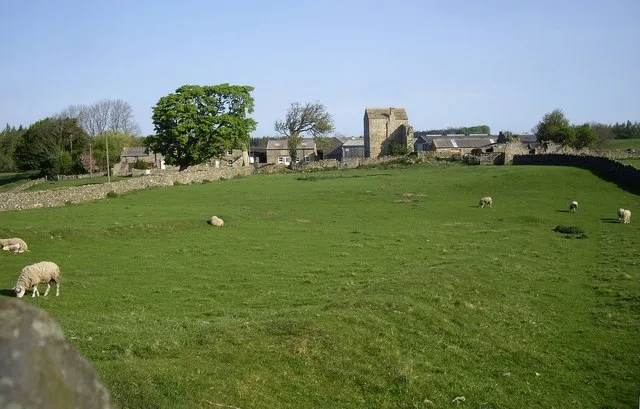 📷 3
📷 3Castles · North East England
Scargill Castle
Scargill Castle — house in Scargill, County Durham, England, UK.
 📷 3
📷 3Castles · North East England
Roper Castle or Round Table (Roman Signal Station)
Roper Castle or Round Table (Roman Signal Station) — a castle in england-north-west, United Kingdom.
 📷 5
📷 5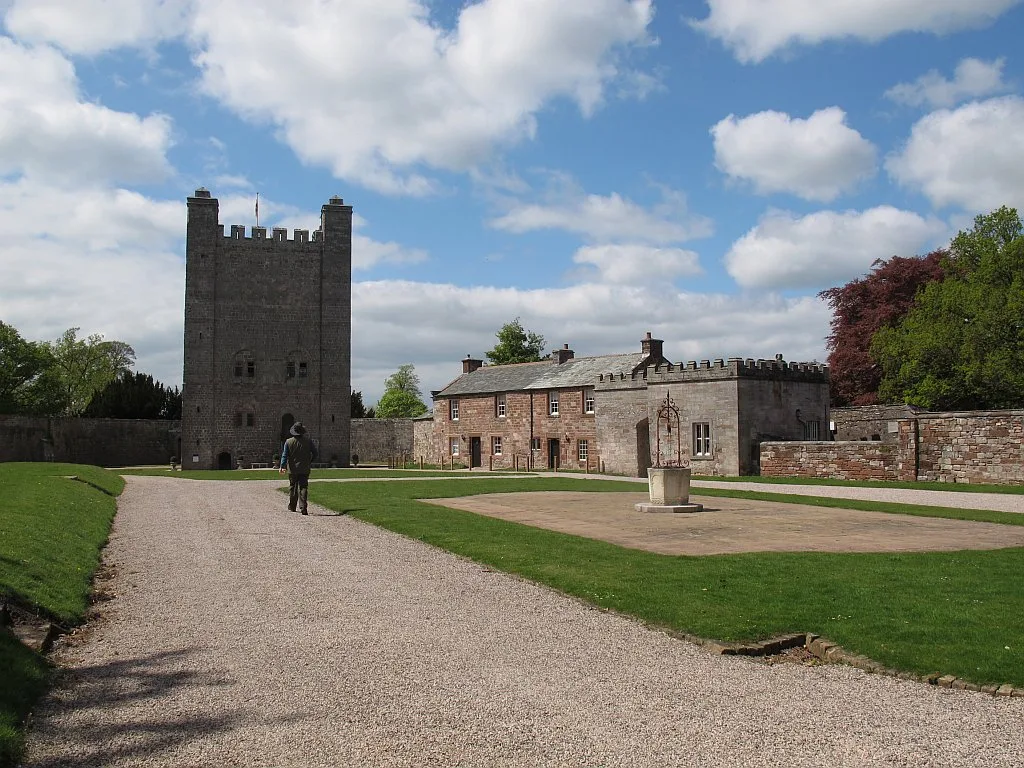 📷 5
📷 5Castles · North East England
Appleby Castle
Appleby Castle — Grade I listed English country house in Appleby-in-Westmorland, United Kingdom.
Frequently asked questions
- Where is Boghead (bastle house)?
- Boghead (bastle house) is in North-East England, United Kingdom (postcode NE48 1RU), in the parish of Tarset.
- What is Boghead (bastle house)?
- Boghead (bastle house) in England North East, United Kingdom.
- How do I get to Boghead (bastle house)?
- The nearest town is Falstone. Drivers can use postcode NE48 1RU.
- Does Boghead (bastle house) charge admission?
- Boghead (bastle house) typically charges admission. Check the official site for current ticket prices and opening hours.
- How do I get to Boghead (bastle house)?
- Drivers can navigate to postcode NE48 1RU. It sits within the Hexham parliamentary constituency.