
Beaches · South West England
Blackpool
In or near Welcombe.
Blackpool — Beach (pebblestone).

Maurice D Budden — CC BY-SA 2.0 via Wikimedia Commons licence

Plan your visit
- Typical visit
- 1 h–3 h
- Best time of year
- Summer (Jun–Aug)
- Free entry
- Family-friendly
- Dog-friendly
Getting there & planning your visit
You can visit Blackpool in South West England using the postcode EX39 6DB for sat-nav coordinates. Entry to the beach is free, and accessibility details are not provided.
About
Blackpool is a beach on the coast of Devon, South-West England. The site is within the North Devon National Landscape (AONB), and is a designated Site of Special Scientific Interest. It sits within the Torridge and Tavistock parliamentary constituency. Postcode area EX39.
Photo gallery
360° view
Imagery © Mapillary contributors, CC BY-SA 4.0
Official information
Blackpool is a popular seaside resort known for its entertainment and attractions. Visitors can enjoy various activities, including amusement parks, beaches, and cultural events.
Protected designations
- Site of Special Scientific Interest: Marsland to Clovelly Coast SSSI
- Area of Outstanding Natural Beauty: North Devon
Designations sourced from Natural England open data under OGL v3.
From the Wikipedia article
Blackpool is a seaside town in Lancashire, England. It is located on the Irish Sea coast of the Fylde peninsula, approximately 27 miles (43 km) north of Liverpool and 14 miles (23 km) west of Preston. It is the main settlement in the borough of the same name. Blackpool was originally a hamlet; it began to grow in the mid-eighteenth century, when sea bathing for health purposes became fashionable. Blackpool's beach was suitable for this activity and, by 1781, several hotels had been built. The opening of a railway station in 1846 allowed more visitors to reach the resort, which continued to grow for the remainder of the nineteenth century. In 1876, the town became a borough. Blackpool's development was closely tied to the Lancashire cotton-mill practice of annual factory maintenance shutdowns, known as Wakes Weeks, when many workers chose to visit the seaside. The town saw large growth during the late Victorian and Edwardian periods. By 1951, its population had reached 147,000. In the late 20th century, changing holiday preferences and increased overseas travel impacted Blackpool's standing as a leading resort. Despite economic challenges, the town's urban fabric and economy remain centred around tourism. Today, the seafront continues to draw millions of visitors annually; it features landmarks such as Blackpool Tower, Illuminations, Pleasure Beach and the Winter Gardens. The town is home to football club Blackpool F.C.. The population of Blackpool at the 2021 census was 141,000, a decrease of 1,100 since the 2011 census.
Excerpt from Wikipedia under CC BY-SA 4.0. See the source article linked in Sources below.
Background
History
In 1970, a 13,500-year-old elk skeleton was found with a barbed bone point embedded in one leg. Now displayed in the Harris Museum, this find provided the first evidence of humans living on the Fylde. Some of the earliest villages on the Fylde, which were later to become part of Blackpool town, were named in the Domesday Book in 1086. In medieval times, Blackpool emerged as a few farmsteads on the coast within Layton-with-Warbreck; the name came from "le pull", a stream that drained Marton Mere and Marton Moss into the sea. The stream ran through peatlands that discoloured the water, so the name for the area became "Black Poole". In the 15th century, the area was just called Pul and a 1532…
Description
At its peak in the 1930s Blackpool's numerous theatres and cinemas could seat more than 60,000 people. In 1874 the Indian Pavilion was built on North Pier to host regular concert performances. After being damaged by fire in 1921 and destroyed by another in 1938 it was replaced by the Art Deco Pavilion Theatre (now the Joe Longthorne Theatre) in 1939. One of few remaining pier theatres in the country, it hosts variety acts during the summer season. The theatre is Grade II listed but has been on the Theatres At Risk Register since 2014. The Borough Theatre (later Queens Theatre) opened in September 1877 on Bank Hey Street. A blue Plaque marks the location of the building which was demolished…
Sourced from Wikipedia under CC BY-SA 4.0.
- Coordinates
- 51.0034, -4.5307
- County
- Devon
- District
- Torridge
- Parish
- Hartland
- Postcode
- EX39 6DB
- Parliamentary constituency
- Torridge and Tavistock
- Official site
- blackpool.gov.uk
Sources
- osm: w175459190 (ODbL)
- wikipedia: Blackpool (CC BY-SA 4.0)
Featured in this guide
Other places nearby

Dyer's Lookout
Viewpoints · 0.1 km

The Pleasure House Folly
Memorials & monuments · 0.6 km

Warren Beach
Beaches · 0.7 km

Hartland Quay
Harbours & ports · 1.0 km

Hartland Quay Hotel
Hotels · 1.0 km

Hartland Quay
Viewpoints · 1.0 km
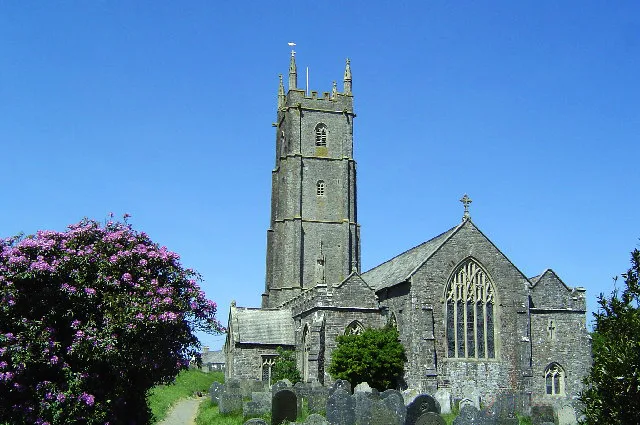
St Nectan's Church, Hartland
Historic churches · 1.4 km
.jpg?width=1200)
Church House
Historic houses · 1.5 km

Childspit Beach
Beaches · 1.5 km

Saint Catherine's Tor
Mountains & hills · 1.5 km

Stroke Barton Campsite
Campsites · 1.6 km
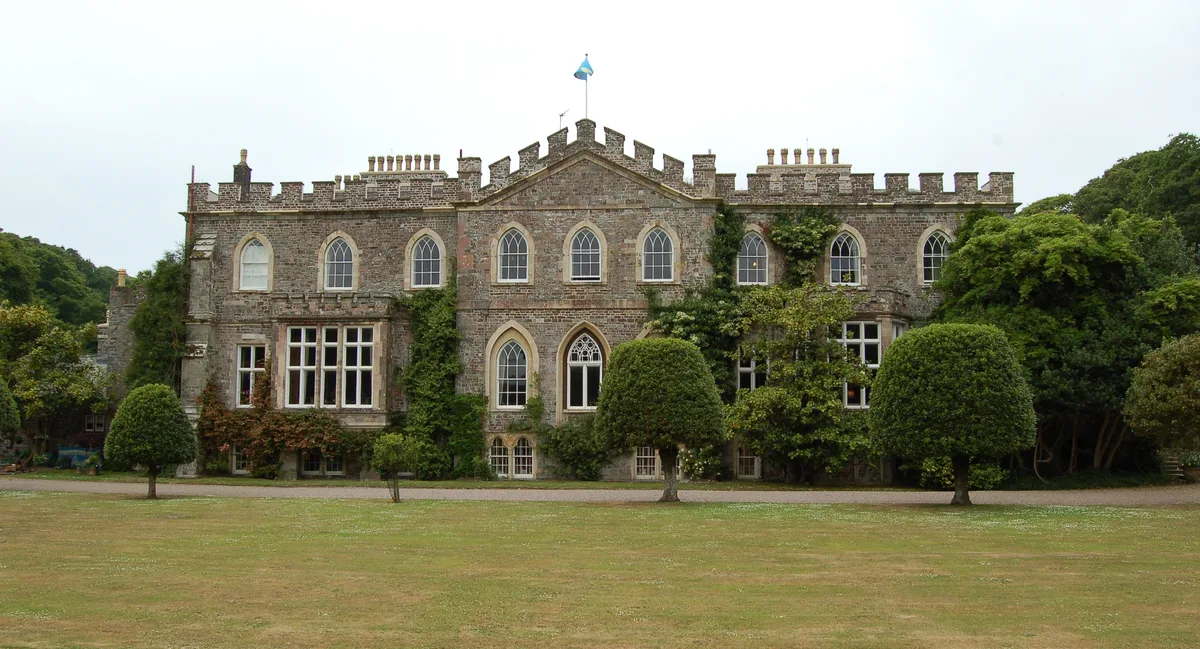
Hartland Abbey
Abbeys & priories · 1.7 km
Nearby
📷 5Viewpoints · South West England
Dyer's Lookout
Dyer's Lookout is a viewpoint in the United Kingdom.
📷 3Memorials & monuments · South West England
The Pleasure House Folly
The Pleasure House Folly — a memorial in england-south-west, United Kingdom.
📷 4📷 5📷 5Hotels · South West England
Hartland Quay Hotel
Hartland Quay Hotel — a hotel in england south west.
📷 5Viewpoints · South West England
Hartland Quay
Hartland Quay is a viewpoint in the United Kingdom.
Where to eat & stay near Blackpool
Places to stay
📷 5Hotels · South West England
Hartland Quay Hotel
Hartland Quay Hotel — a hotel in england south west.
📷 5Campsites · South West England
Stroke Barton Campsite
Stroke Barton Campsite — a campsite in england south west.
 📷 5
📷 5Campsites · South West England
Camping and caravan site
Camping and caravan site — a campsite in england south west.
 📷 5
📷 5Hostels · South West England
Elmscott Youth Hostel
Elmscott Youth Hostel — a hostel in england south west.
 📷 5
📷 5Caravan parks · South West England
South Lane Caravan Park
South Lane Caravan Park — a caravan park in england south west.
 📷 5
📷 5Hostels · South West England
Hartland Camping Barn
Hartland Camping Barn — a hostel in england south west.
Places to eat & drink
📷 7 📷 7
📷 7Historic pubs · South West England
The Old Smithy
The Old Smithy in England South West, United Kingdom.
 📷 7
📷 7Historic pubs · South West England
The Old Cartaret Arms
The Old Cartaret Arms in England South West, United Kingdom.
 📷 5
📷 5Historic pubs · South West England
The Gannet Public House
The Gannet Public House in England South West, United Kingdom.
 📷 5
📷 5Historic pubs · South West England
Heavitree Arms
Heavitree Arms in England South West, United Kingdom.
 📷 7
📷 7Historic pubs · South West England
Rose Of Torridge
Rose Of Torridge in England South West, United Kingdom.
More beaches in this region
 📷 5
📷 5Beaches · South West England
Alum Chine Beach
Alum Chine Beach is a beach in the United Kingdom.
 📷 5
📷 5Beaches · South West England
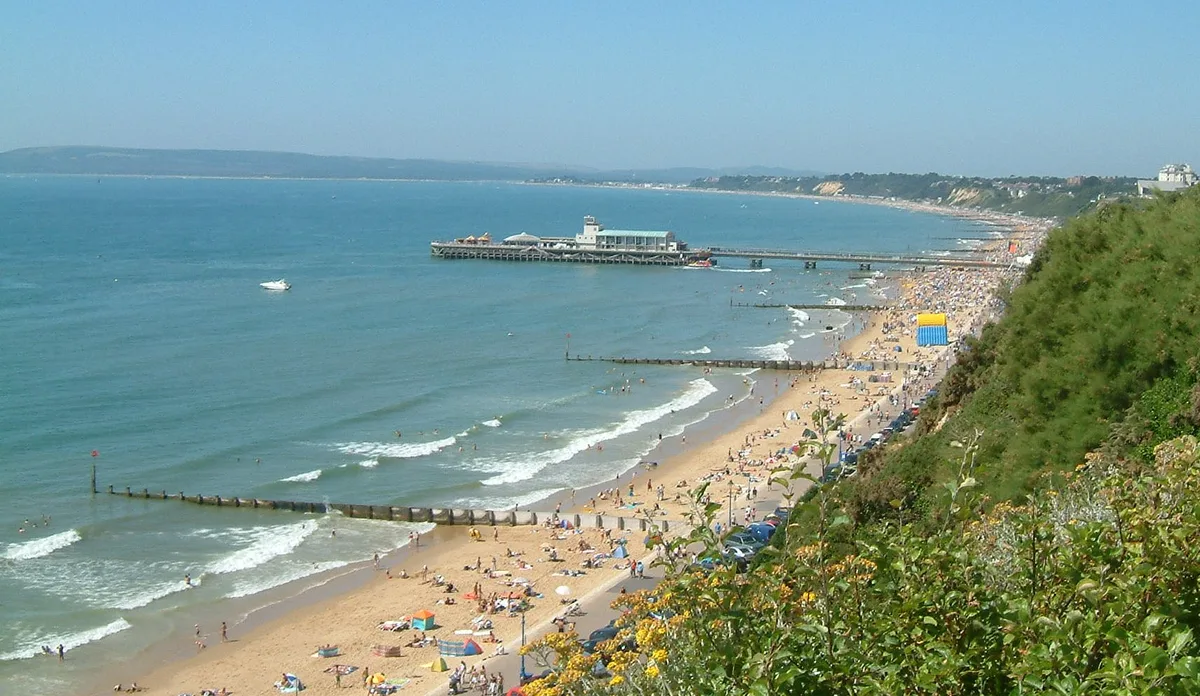
Bournemouth Beach
Bournemouth Beach — beach in Bournemouth, Dorset, UK.
 📷 5
📷 5Beaches · South West England
Bournemouth East Beach
Bournemouth East Beach is a beach in the United Kingdom.
 📷 5
📷 5Beaches · South West England
Bournemouth West Beach
Bournemouth West Beach is a beach in the United Kingdom.
Frequently asked questions
- Where is Blackpool?
- Blackpool is in Devon, South-West England, United Kingdom (postcode EX39 6DB), in the parish of Hartland.
- What is Blackpool?
- Blackpool — Beach (pebblestone).
- How do I get to Blackpool?
- The nearest town is Welcombe. Drivers can use postcode EX39 6DB.
- Is Blackpool a protected site?
- Yes — Blackpool is part of the Marsland to Clovelly Coast SSSI Site of Special Scientific Interest and the North Devon National Landscape (AONB).
- Is Blackpool free to visit?
- Yes, Blackpool is free to enter.
- How do I get to Blackpool?
- Drivers can navigate to postcode EX39 6DB. It sits within the Torridge and Tavistock parliamentary constituency.