
Castles · Central Scotland
Blackness Castle
In or near Limekilns.
Blackness Castle — fortress, near the village of Blackness, Scotland.

Wikimedia Commons contributors — see linked file page for photographer and licence licence

Plan your visit
- Typical visit
- 1.5 h–3 h
- Nearest railway station
- Bo'ness · 5.4 km
- Paid entry
- Family-friendly
- Limited wheelchair access
Getting there & planning your visit
To visit Blackness Castle, the nearest railway station is Bo'ness, which is 5.4 km away. Entry is paid, and wheelchair accessibility is limited. The postcode for sat-nav is EH49 7NH.
About
Blackness Castle is a castle in the United Kingdom — fortified architecture from the medieval, Tudor, or Victorian-revival period. Constructed primarily of stone. Heritage designation: scheduled monument. Owned by Historic Environment Scotland. Managed by Historic Environment Scotland. Wikidata describes it as: "fortress, near the village of Blackness, Scotland". Coordinates: 56.0061°, -3.5161°.
Photo gallery
See it from the streetimagery from 2019
Imagery © Mapillary contributors, CC BY-SA 4.0
Heritage listing
Blackness Castle is a 15th-century fortress, near the village of Blackness, Scotland, on the south shore of the Firth of Forth. It was built, probably on the site of an earlier fort, by Sir George Crichton in the 1440s. At this time, Blackness was the main port serving the Royal Burgh of Linlithgow, one of the main residences of the Scottish monarch. The castle, together with the Crichton lands, passed to James II of Scotland in 1453, and the castle has been crown property ever since. It served as a state prison, holding such prisoners as Cardinal Beaton and the 6th Earl of Angus. Strengthened by Sir James Hamilton of Finnart in the mid-16th century, the castle became one of the most advanced artillery fortifications of its time in Scotland.
From Historic Environment Scotland under OGL v3.
From Historic Environment Scotland
See for yourself why this mighty fortress is known as ‘the ship that never sailed’ – with its pointed stem, square stern and tall mast.
Read more on the official property page.
From the Wikipedia article
Blackness Castle is a 15th-century fortress, near the village of Blackness, Scotland, on the south shore of the Firth of Forth. It was built, probably on the site of an earlier fort, by Sir George Crichton in the 1440s. At this time, Blackness was the main port serving the Royal Burgh of Linlithgow, one of the main residences of the Scottish monarch. The castle, together with the Crichton lands, passed to James II of Scotland in 1453, and the castle has been crown property ever since. It served as a state prison, holding such prisoners as Cardinal Beaton and the 6th Earl of Angus. Strengthened by Sir James Hamilton of Finnart in the mid-16th century, the castle became one of the most advanced artillery fortifications of its time in Scotland. A century later, these defences were not enough to prevent Blackness falling to Oliver Cromwell's army in 1650. Some years after the siege, the castle was repaired, and again served as a prison and a minor garrison. In 1693, the spur protecting the gate was heightened, and the Stern Tower shortened as a base for three heavy guns. Barracks and officers' quarters were added in the 1870s, when the castle was used as an ammunition depot, until 1912. The castle was briefly reused by the army during World War I. It is now a Scheduled Ancient Monument, in the care of Historic Environment Scotland. Because of its site, jutting into the Forth, and its long, narrow shape, the castle has been characterised as "the ship that never sailed". The north and south towers are often named "stem" and "stern", with the central tower called the "main mast".
Excerpt from Wikipedia under CC BY-SA 4.0. See the source article linked in Sources below.
Background
History
The barony of Blackness was held in the mid-15th century by Sir George Crichton, Lord High Admiral of Scotland, Sheriff of Linlithgow, and later Earl of Caithness. and Crichton's cousin, William, was Chancellor of Scotland from 1439 to 1453. The castle was probably built in the mid-1440s, during a time of feuding between the Crichtons and the "Black" Douglases, which had resulted in the destruction of Crichton's tower at Barnton in Edinburgh in 1444. George Crichton handed over the Crichton lands, including Blackness Castle, to James II in 1453. His dispossessed heir, James Crichton, captured the castle and held it briefly against the King, who besieged and recaptured it the same year. In…
Description
The castle stands on a rocky spit in the Firth of Forth, and is oriented north–south. The castle comprises a curtain wall, with integrated north and south towers, and a separate central tower in the courtyard. To the south-west, a defensive spur forms the main entrance, while a water gate to the north-west gives access to the 19th-century pier. Outside the walls are 19th-century soldiers' barracks and officers' quarters. The castle is said in popular legend to have a ley tunnel linking it with the House of the Binns, which lies about south.
Sourced from Wikipedia under CC BY-SA 4.0.
- Coordinates
- 56.0061, -3.5161
- District
- Falkirk
- Postcode
- EH49 7NH
- Parliamentary constituency
- Bathgate and Linlithgow
- Phone
- 01506834807
- Nearest railway station
- Bo'ness — 5.4 km
- Opening
- Apr-Sep 09:30-17:30; Oct-Mar Sa-We 09:30-16:30
- Official site
- www.historicenvironment.scot
Sources
- wikidata: Q1524366 (CC0)
- wikipedia: Blackness Castle (CC BY-SA 4.0)
- commons: Blackness Castle, Blackness, Scotland.jpg (CC BY-SA 4.0)
- fsq: 4be92a5ffbbb9c7442371e8e (Apache-2.0)
- osm: r1458800 (ODbL)
Other places nearby

Blackness Light (historical)
Lighthouses · 0.1 km

Blackness Boatclub Pier
Piers · 0.4 km

Blackness Bay
Natural landmarks · 0.4 km
Blackness Boatclub Pier
Piers · 0.4 km

Blackness
Harbours & ports · 0.5 km

Blackness War Memorial
Memorials & monuments · 0.5 km

Tower, House of The Binns
Memorials & monuments · 1.7 km

Binns Hill
Mountains & hills · 1.7 km
Binns Hill
Mountains & hills · 1.7 km
General Tam's Smoke House
Historic houses · 1.7 km

Kents Cottage
Historic houses · 1.7 km

House of the Binns
Castles · 1.8 km
Nearby
📷 5Lighthouses · Central Scotland
Blackness Light (historical)
Blackness Light (historical) — a lighthouse in scotland central.
📷 3Piers · Central Scotland
Blackness Boatclub Pier
Blackness Boatclub Pier is a pier in the United Kingdom.
📷 5Natural landmarks · Central Scotland
Blackness Bay
Blackness Bay — a natural feature in scotland central.
📷 3Piers · Central Scotland
Blackness Boatclub Pier
Blackness Boatclub Pier is a pier in the United Kingdom.
📷 5Harbours & ports · Central Scotland
Blackness
Blackness in Scotland Islands, United Kingdom.
📷 3Memorials & monuments · Central Scotland
Blackness War Memorial
Blackness War Memorial — a memorial in scotland-central, United Kingdom.
Where to eat & stay near Blackness Castle
Places to stay
 📷 5
📷 5Hotels · Central Scotland
Keavil House Hotel
Keavil House Hotel — a hotel in scotland central.
📷 7Hotels · Central Scotland
Adamson Hotel
Adamson Hotel — a hotel in scotland central.
 📷 5
📷 5Caravan parks · Central Scotland
Loch House Farm Cavavan Park
Loch House Farm Cavavan Park — a caravan park in scotland central.
 📷 5
📷 5Hotels · Central Scotland
DoubleTree by Hilton Edinburgh - Queensferry Crossing
DoubleTree by Hilton Edinburgh - Queensferry Crossing — a hotel in scotland central. 3-star. Brand: DoubleTree.
 📷 5
📷 5 📷 5
📷 5Campsites · Central Scotland
Beecraigs Country Park
Beecraigs Country Park — a campsite in scotland central.
Places to eat & drink
 📷 5
📷 5Restaurants · Central Scotland
Champany Inn
Champany Inn — a restaurant in scotland central.
 📷 7
📷 7Historic pubs · Central Scotland
Red Lion Inn, 50 High Street, Linlithgow
Red Lion Inn, 50 High Street, Linlithgow in Scotland Central, United Kingdom.
 📷 7
📷 7Historic pubs · Central Scotland
The Crown Arms, 177-179 High Street, Linlithgow
The Crown Arms, 177-179 High Street, Linlithgow in Scotland Central, United Kingdom.
 📷 6
📷 6Historic pubs · Central Scotland
The Burgh Arms
The Burgh Arms in Scotland Islands, United Kingdom.
 📷 7
📷 7 📷 7
📷 7Historic pubs · Central Scotland
Oatridge Hotel, 2, 4 East Main Street, Uphall
Oatridge Hotel, 2, 4 East Main Street, Uphall in Scotland Central, United Kingdom.
More places run by Historic Environment Scotland
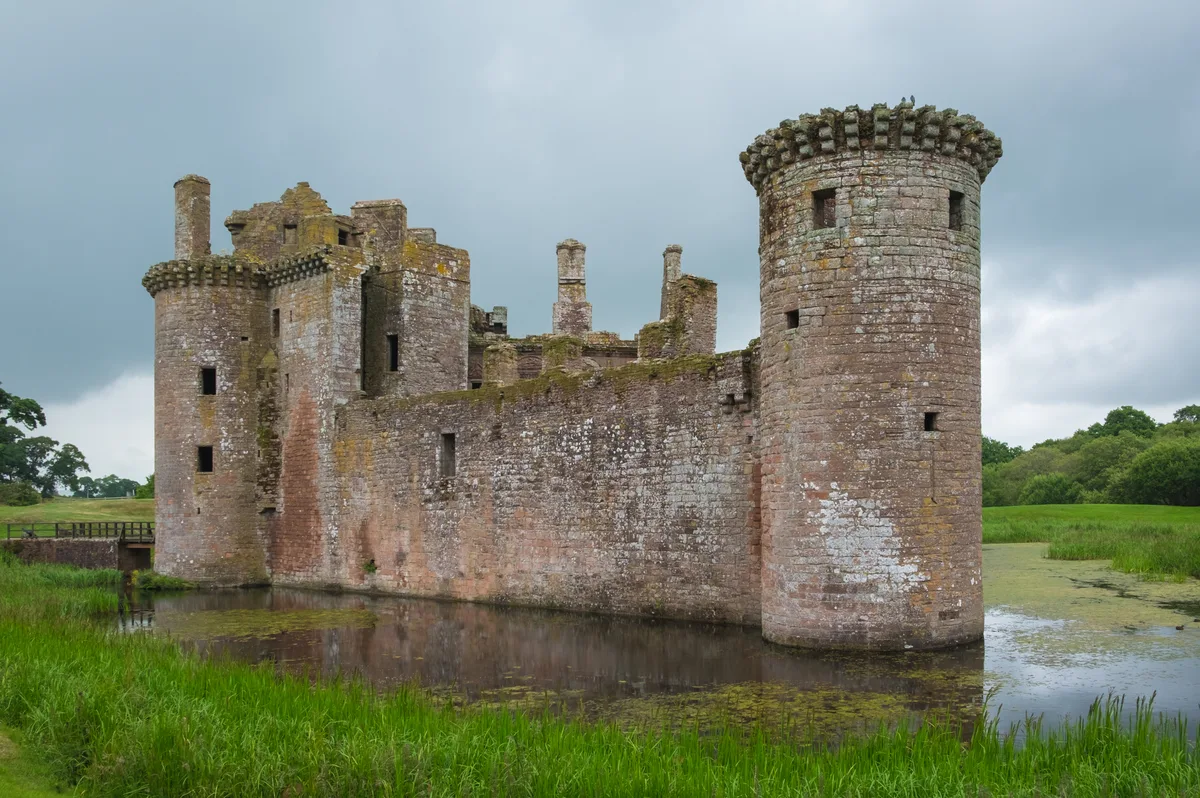 📷 5
📷 5Castles · North West England
Caerlaverock Castle
Caerlaverock Castle — former castle archaeological site in Dumfries and Galloway, Scotland, UK.
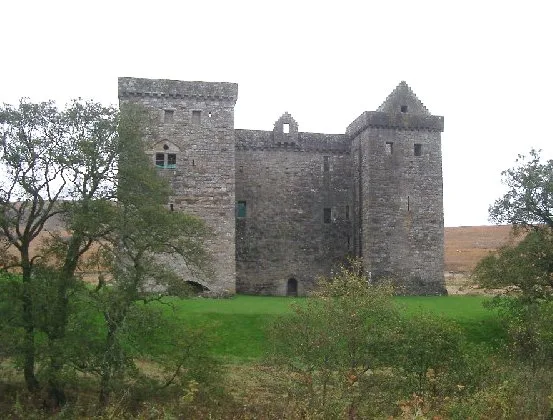 📷 5
📷 5Castles · North West England
Hermitage Castle
Hermitage Castle — Semi-ruined castle in Scotland.
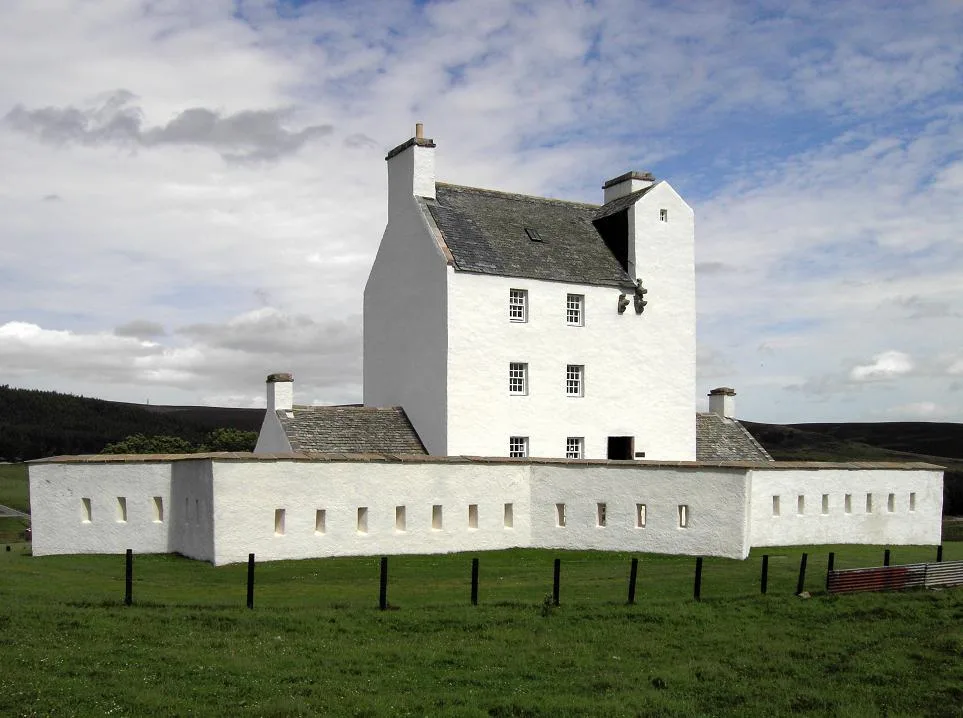 📷 5
📷 5Castles · Scottish Highlands
Corgarff Castle
Corgarff Castle — castle and military museum in Aberdeenshire, Scotland, UK.
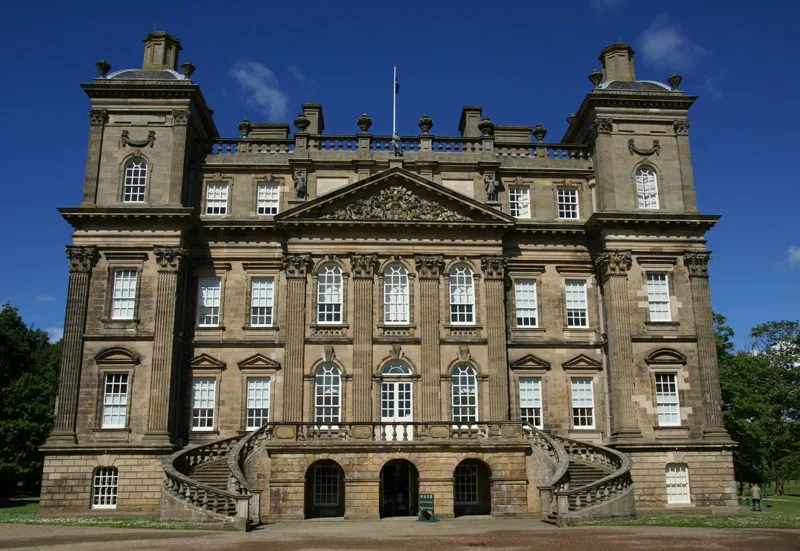 📷 3
📷 3Museums · Scottish Highlands
Duff House
Duff House — estate house in Banff, Aberdeenshire, Scotland, UK.
More castles in this region
 📷 3
📷 3 📷 5
📷 5 📷 4
📷 4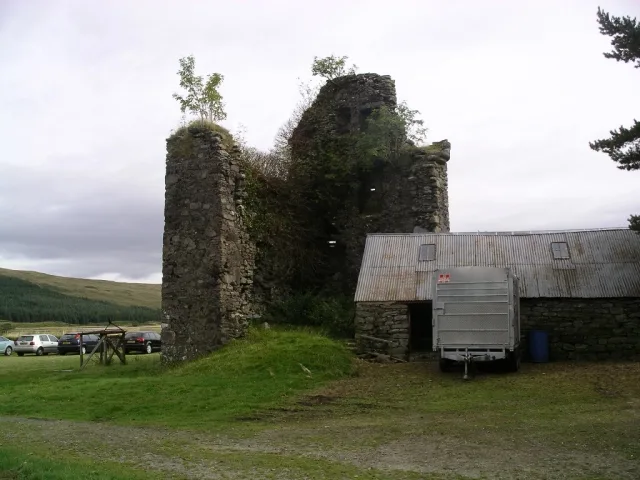 📷 3
📷 3Castles · Central Scotland
Achallader Castle
Achallader Castle — castle in Argyll and Bute, Scotland, UK.
Frequently asked questions
- Where is Blackness Castle?
- Blackness Castle is in central Scotland, United Kingdom (postcode EH49 7NH).
- What is Blackness Castle?
- Blackness Castle — fortress, near the village of Blackness, Scotland.
- How do I get to Blackness Castle?
- The nearest railway station is Bo'ness, about 5.4 km away. The nearest town is Limekilns. Drivers can use postcode EH49 7NH.
- Who runs Blackness Castle?
- Blackness Castle is operated by Historic Environment Scotland.
- Is Blackness Castle a listed building?
- Blackness Castle is officially recognised as scheduled monument listed.
- Does Blackness Castle charge admission?
- Blackness Castle typically charges admission. Check the official site for current ticket prices and opening hours.
- How do I get to Blackness Castle?
- The nearest railway station is Bo'ness, about 5.4 km away. Drivers can navigate to postcode EH49 7NH.