
Castles · North West England
Beeston Castle
Also known as: Castell y Felallt, Caisleán Beeston
In or near Beeston.
Beeston Castle is a former Royal castle in Beeston, Cheshire, England (grid reference SJ537593), perched on a rocky sandstone crag 350 feet (107 m) above the Cheshire Plain. It was built in the 1220s

David Dixon — CC BY-SA 2.0 via Wikimedia Commons licence

Plan your visit
- Typical visit
- 1.5 h–3 h
- Family-friendly
- Limited wheelchair access
Getting there & planning your visit
Beeston Castle is located in Cheshire West and Chester, with the postcode CW6 9TX. The nearest railway station is not specified, and access is limited for wheelchair users.
About
Beeston Castle is a former Royal castle in Beeston, Cheshire, England (grid reference SJ537593), perched on a rocky sandstone crag 350 feet (107 m) above the Cheshire Plain. It was built in the 1220s by Ranulf de Blondeville, 6th Earl of Chester (1170–1232), on his return from the Crusades. In 1237, Henry III took over the ownership of Beeston, and it was kept in good repair until the 16th century, when it was considered to be of no further military use, although it was pressed into service again in 1643, during the English Civil War. The castle was slighted (partly demolished) in 1646, in accordance with Cromwell's destruction order, to prevent its further use as a bastion. During the 18th century, parts of the site were used as a quarry. The castle is a Scheduled Ancient Monument owned and managed by English Heritage. The walls of the outer bailey and the gatehouse and curtain walls of the inner bailey are recorded separately in the National Heritage List for England as designated Grade I listed buildings. A legend states that the royal treasure of Richard II was buried in the castle grounds but many searches have failed to discover the hoard.
Photo gallery
Official information
Beeston Castle is a historic site featuring dramatic ruins and scenic views, inviting visitors to explore its rich history. Guests can wander through woodland paths, visit a reconstructed Bronze Age roundhouse, and enjoy panoramic views from the castle's summit. The site also includes an exhibition that showcases 4,000 years of human history.
From the Wikipedia article
Beeston Castle is a former Royal castle in Beeston, Cheshire, England (grid reference SJ537593), perched on a rocky sandstone crag 350 feet (107 m) above the Cheshire Plain. It was built in the 1220s by Ranulf de Blondeville, 6th Earl of Chester (1170–1232), on his return from the Crusades. In 1237, Henry III took over the ownership of Beeston, and it was kept in good repair until the 16th century, when it was considered to be of no further military use, although it was pressed into service again in 1643, during the English Civil War. The castle was slighted (partly demolished) in 1646, in accordance with Cromwell's destruction order, to prevent its further use as a bastion. During the 18th century, parts of the site were used as a quarry. The castle is a Scheduled Ancient Monument owned and managed by English Heritage. The walls of the outer bailey and the gatehouse and curtain walls of the inner bailey are recorded separately in the National Heritage List for England as designated Grade I listed buildings. A legend states that the royal treasure of Richard II was buried in the castle grounds but many searches have failed to discover the hoard.
Excerpt from Wikipedia under CC BY-SA 4.0. See the source article linked in Sources below.
Background
Architecture
Beeston was built for Ranulf de Blondeville, 6th Earl of Chester, in the early 13th century. The siting of the castle's outer bailey walls was chosen to take advantage of the fortifications remaining from the earlier Iron Age rampart. In medieval documents the castle is described as Castellum de Rupe, the Castle on the Rock. It is one of three major castles built by Ranulph in the 1220s, shortly after his return from the Fifth Crusade. The others are Bolingbroke in Lincolnshire, and Chartley, Staffordshire, both of which share similar architectural features with Beeston; in particular the design of the towers. ]] ]] , showing Beeston Castle from the south]] Unlike many other castles of the…
Sourced from Wikipedia under CC BY-SA 4.0.
- Coordinates
- 53.1277, -2.6913
- District
- Cheshire West and Chester
- Parish
- Beeston
- Postcode
- CW6 9TX
- Parliamentary constituency
- Chester South and Eddisbury
- Phone
- +44 1829 260464
- Established
- 1220
- Opening
- Daily 10am–5pm; last entry at 4.30pm
- Official site
- www.english-heritage.org.uk
Sources
- wikipedia: Beeston Castle (CC BY-SA 4.0)
Other places nearby
Bishop Bennet Way
Military museums · 0.0 km

Beeston Castle hillfort
Vineyards · 0.1 km

Beeston Crag
Mountains & hills · 0.2 km

Beeston Castle
Literary houses · 0.2 km

Wharton's Bridge
Historic bridges · 1.1 km

Peckforton Hill
Mountains & hills · 1.2 km
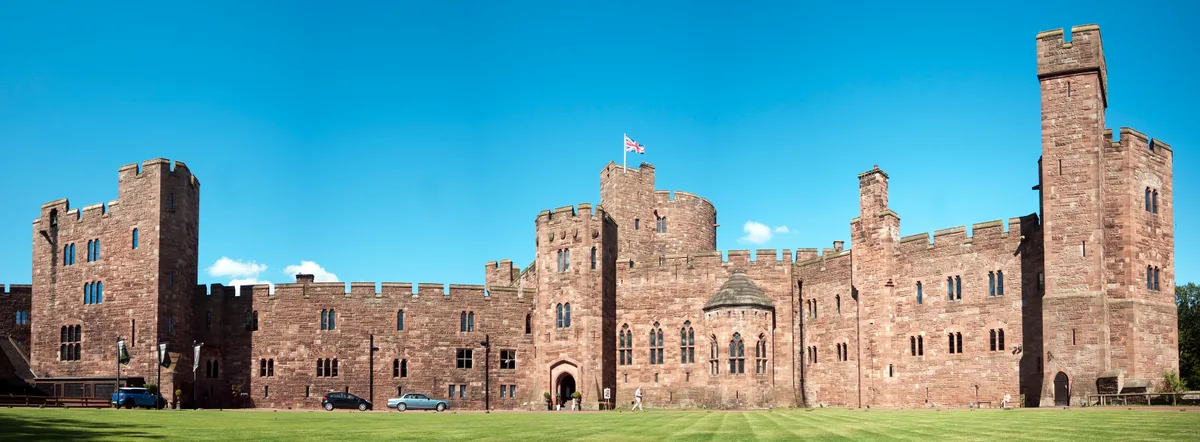
Peckforton Castle
Castles · 1.2 km

Bate's Mill Bridge
Historic bridges · 1.3 km

Beeston
Towns & cities · 1.3 km
Sandstone Trail
Military museums · 1.4 km

Promontory fort east of Peckforton Mere
Vineyards · 1.6 km

Beeston Iron Lock
Canal locks · 1.7 km
Nearby
📷 5Military museums · North West England
Bishop Bennet Way
Bishop Bennet Way — a military museum in wales north.
📷 5Vineyards · North West England
Beeston Castle hillfort
Beeston Castle hillfort — a UK vineyard in wales north, producing English or Welsh wine from cool-climate grape varieties.
📷 5Mountains & hills · North West England
Beeston Crag
Beeston Crag — mountain in wales north. Elevation: 110 m.
📷 5Literary houses · North West England
Beeston Castle
Beeston Castle — a literary house museum in wales north.
📷 3Historic bridges · North West England
Wharton's Bridge
Wharton's Bridge — Grade II listed building-listed bridge in wales-north, United Kingdom.
📷 5Mountains & hills · North West England
Peckforton Hill
Peckforton Hill — mountain in wales north. Elevation: 203 m.
Where to eat & stay near Beeston Castle
Places to stay
 📷 5
📷 5Campsites · North West England
Pitch & Canvas
Pitch & Canvas — a campsite in wales north.
 📷 5
📷 5Hotels · North West England
Swan Hotel
Swan Hotel — a hotel in wales north.
 📷 5
📷 5 📷 5
📷 5Hotels · North West England
Willington Hall Hotel
Willington Hall Hotel — a hotel in wales north.
 📷 5
📷 5Campsites · North West England
The Durham Heifer
The Durham Heifer — a campsite in wales north.
 📷 5
📷 5Caravan parks · North West England
Northwood Hall
Northwood Hall — a caravan park in wales north.
Places to eat & drink
 📷 5
📷 5 📷 5
📷 5Historic pubs · North West England
Carden Arms
Carden Arms in Wales North, United Kingdom.
 📷 5
📷 5Restaurants · North West England
The Cheshire Cat
The Cheshire Cat — a restaurant in england west midlands.
 📷 5
📷 5 📷 5
📷 5Historic pubs · North West England
Ye Gardeners Arms Public House
Ye Gardeners Arms Public House in Wales North, United Kingdom.
 📷 5
📷 5Historic pubs · North West England
The Little Oak Public House
The Little Oak Public House in Wales North, United Kingdom.
More castles in this region
 📷 3
📷 3Castles · North West England
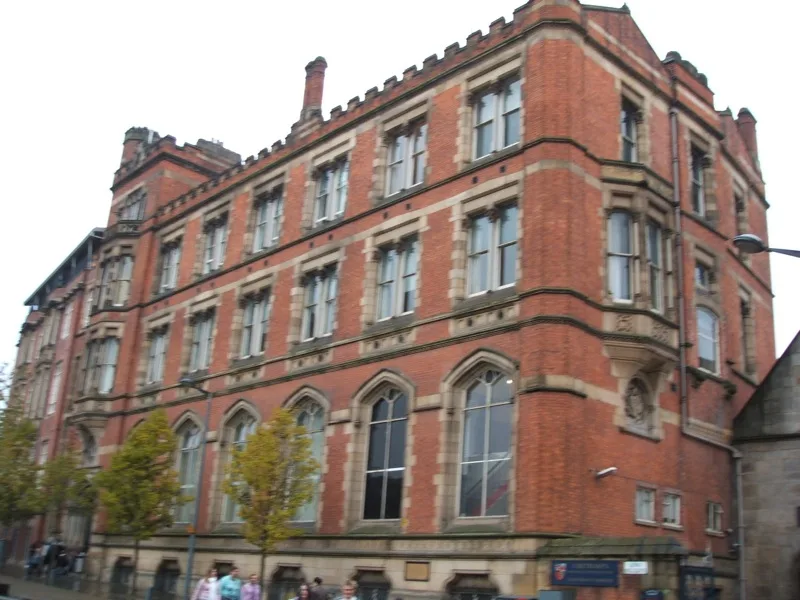
Manchester Castle
Manchester Castle — medieval fortified manor house in England.
 📷 5
📷 5Castles · North West England
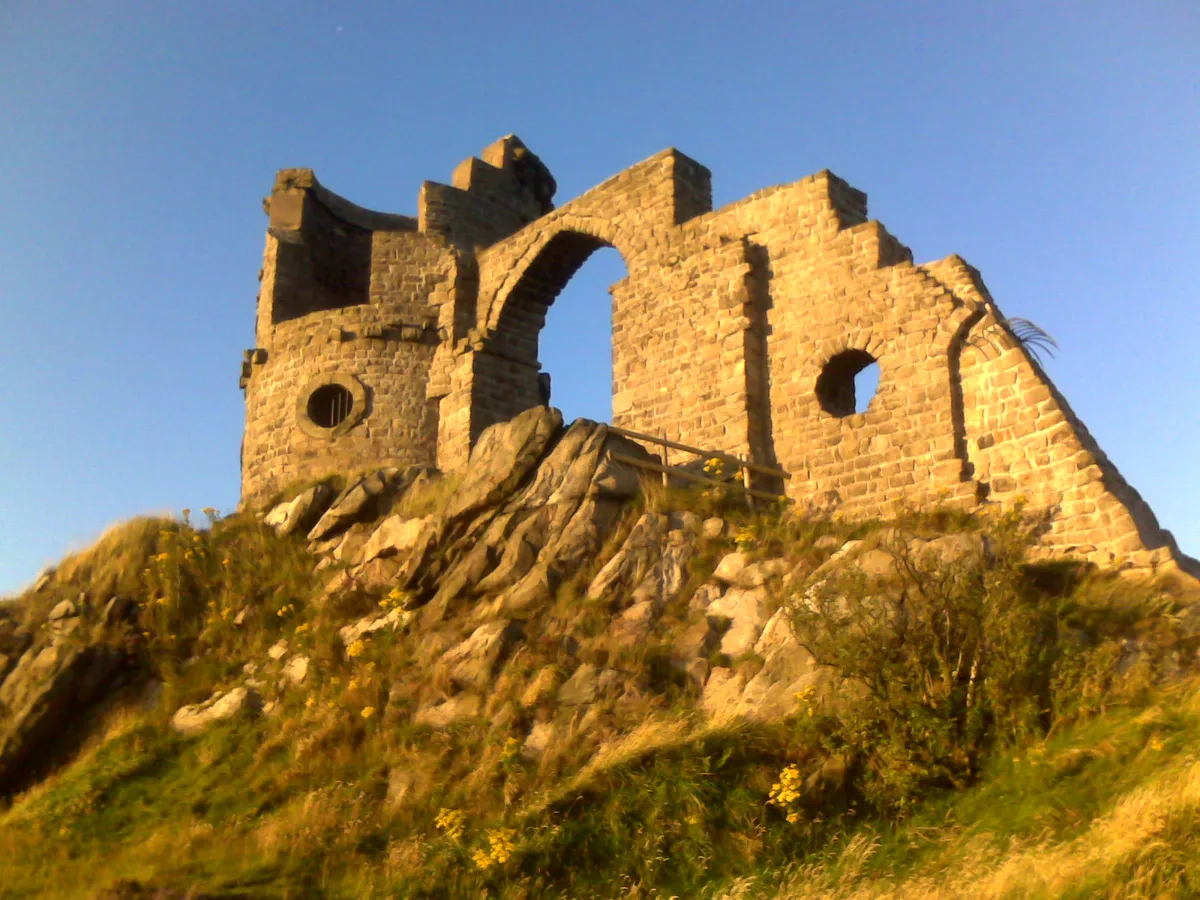
Mow Cop Castle
Mow Cop Castle — folly on the Cheshire and Staffordshire border, England, UK.
 📷 3
📷 3 📷 3
📷 3Castles · North West England
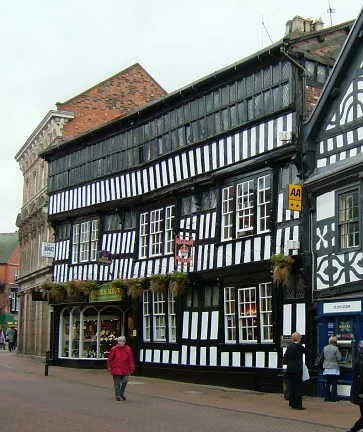
Ullerwood Castle
Ullerwood Castle — castle in Greater Manchester, England.
Frequently asked questions
- Where is Beeston Castle?
- Beeston Castle is in North-West England, United Kingdom (postcode CW6 9TX), in the parish of Beeston.
- What is Beeston Castle?
- Beeston Castle is a former Royal castle in Beeston, Cheshire, England (grid reference SJ537593), perched on a rocky sandstone crag 350 feet (107 m) above the Cheshire Plain. It was built in the 1220s
- How do I get to Beeston Castle?
- The nearest town is Beeston. Drivers can use postcode CW6 9TX.
- When was Beeston Castle built?
- Built or established in 1220.
- Who owns Beeston Castle?
- Beeston Castle is owned by English Heritage.
- Does Beeston Castle charge admission?
- Beeston Castle typically charges admission. Check the official site for current ticket prices and opening hours.
- How do I get to Beeston Castle?
- Drivers can navigate to postcode CW6 9TX. It sits within the Chester South and Eddisbury parliamentary constituency.