
Museums · North West England
Barrow-in-Furness
In or near Haverigg.
Barrow-in-Furness, commonly known as Barrow, is an industrial port town and civil parish in Westmorland and Furness, Cumbria, England. Historically in Lancashire, Barrow is at the tip of the Furness p

habiloid — CC BY-SA 2.0 via Wikimedia Commons licence

Plan your visit
- Typical visit
- 1.5 h–3 h
- Best time of year
- Year-round
- Nearest railway station
- Barrow-in-Furness · 0.9 km
- Free entry
- Family-friendly
- Limited wheelchair access
Getting there & planning your visit
To visit the museum in Barrow-in-Furness, the nearest railway station is Barrow-in-Furness, which is 0.9 km away. The postcode for the location is LA14 1LF. Please note that wheelchair accessibility is limited.
About
Barrow-in-Furness, commonly known as Barrow, is an industrial port town and civil parish in Westmorland and Furness, Cumbria, England. Historically in Lancashire, Barrow is at the tip of the Furness peninsula, 24 miles (39 km) south-west of Kendal and 18 miles (29 km) west of Lancaster. It is bordered by Morecambe Bay to the east, the Duddon Estuary to the west, and the Irish Sea to the south. In 2021, Barrow's population was 55,489, making it the second-largest urban area in Cumbria after Carlisle and the largest in Westmorland and Furness. In the Middle Ages, Barrow was a small hamlet, with its economy controlled by Furness Abbey. In the 19th century, iron prospector Henry Schneider, among other investors, opened the Furness Railway to transport iron ore and slate from local mines to the coast, which led to the construction of docks, now the Royal Port of Barrow. The discovery of hematite deposits allowed the steel industry to develop in the town, and for a period, its steelworks were the largest in the world. It was incorporated as a municipal borough in 1867, and the town's steel production and coastal location enabled it to develop as a centre for shipbuilding. Barrow is one of England's few planned towns and has a high level of heritage assets compared nationally. The steel industry declined after World War II, and although defence spending cuts since the end of the Cold War have increased unemployment in the town, Barrow's economy remains dominated by the defence sect
Photo gallery
See it from the streetimagery from 2026
Imagery © Mapillary contributors, CC BY-SA 4.0
Official information
Barrow Market is a historic market located in the Town Centre of Barrow-in-Furness, featuring a variety of stalls from local traders. Visitors can find fresh produce, unique crafts, and a range of goods and services. The market has undergone renovations and continues to serve the community despite future changes planned for the area.
Protected designations
- Site of Special Scientific Interest: Duddon Estuary SSSI
- Ramsar wetland: Duddon Estuary
Designations sourced from Natural England open data under OGL v3.
From the Wikipedia article
Barrow-in-Furness, commonly known as Barrow, is an industrial port town and civil parish in Westmorland and Furness, Cumbria, England. Historically in Lancashire, Barrow is at the tip of the Furness peninsula, 24 miles (39 km) south-west of Kendal and 18 miles (29 km) west of Lancaster. It is bordered by Morecambe Bay to the east, the Duddon Estuary to the west, and the Irish Sea to the south. In 2021, Barrow's population was 55,489, making it the second-largest urban area in Cumbria after Carlisle and the largest in Westmorland and Furness. In the Middle Ages, Barrow was a small hamlet, with its economy controlled by Furness Abbey. In the 19th century, iron prospector Henry Schneider, among other investors, opened the Furness Railway to transport iron ore and slate from local mines to the coast, which led to the construction of docks, now the Royal Port of Barrow. The discovery of hematite deposits allowed the steel industry to develop in the town, and for a period, its steelworks were the largest in the world. It was incorporated as a municipal borough in 1867, and the town's steel production and coastal location enabled it to develop as a centre for shipbuilding. Barrow is one of England's few planned towns and has a high level of heritage assets compared nationally. The steel industry declined after World War II, and although defence spending cuts since the end of the Cold War have increased unemployment in the town, Barrow's economy remains dominated by the defence sector. As of 2026, the BAE Systems shipyard is the largest in the UK by workforce and now experiencing significant growth; it has produced Royal Navy flagships, nuclear submarines and other naval and commercial vessels. The town is a hub for energy generation and handling, particularly offshore wind farms. Barrow served as the centre of the Borough of Barrow-in-Furness from 1974 until 2023, when the borough was abolished and a parish council was established. Natives of Barrow, as well as the local
Excerpt from Wikipedia under CC BY-SA 4.0. See the source article linked in Sources below.
Background
History
Barrow and the surrounding area have been settled non-continuously for several millennia, with evidence of Neolithic inhabitants on Walney Island. Despite a rich history of Roman settlement across Cumbria and the discovery of related artefacts in the Barrow area, no buildings or structures have been found to support the idea of a functioning Roman community on the Furness peninsula. The Furness Hoard discovery of Viking silver coins and other artefacts in 2011 provided significant archaeological evidence of Norse settlement in the early 9th century. Several areas of Barrow, including Yarlside and Ormsgill, as well as "Barrow" and "Furness", have names of Old Norse origin. The Domesday Book…
Architecture
Barrow is one of Britain's few planned towns, and the spacious tree-lined avenues within the oldest parts of the town (including Central Barrow, Hindpool and Salthouse) are more akin to the layout of a much larger city. Planned by an industrialist, however the town is "not as picturesque as the towns nearby", so newcomers often choose to move into one of the surrounding towns. There are a number of Conservation Areas across Barrow named as such for their architectural or historical significance, they include Barrow Island, Biggar, Central Barrow, Furness Abbey, North Scale, North and South Vickerstown and St. George's Square. Historically Barrow's skyline was dominated by shipyard cranes…
Visiting
Although it is at the end of a peninsula, Barrow is only around 20 minutes from the Lake District, Barrow has been referred to as a "gateway to the lakes" and "where the lakes meets the sea", a status which could be enhanced by the new marina complex and planned cruise ship terminal. Barrow itself has several tourist attractions that support just over 1,000 jobs; the town saw a higher growth in tourist expenditure during the 2000s than Cumbria as a whole and had about 2.3 million overnight stays during 2008. Barrow's most popular free-entry tourist attraction is the Dock Museum. The museum tells the history of Barrow (including the steelworks industry, the shipyard and the Barrow Blitz), as…
Sourced from Wikipedia under CC BY-SA 4.0.
- Coordinates
- 54.1108, -3.2261
- District
- Westmorland and Furness
- Parish
- Barrow
- Postcode
- LA14 1LF
- Parliamentary constituency
- Barrow and Furness
- Nearest railway station
- Barrow-in-Furness — 0.9 km
Sources
- wikipedia: Barrow-in-Furness (CC BY-SA 4.0)
Other places nearby

Henry Schneider Statue
Burial mounds & barrows · 0.0 km

Majestic Hotel
Historic houses · 0.1 km

Barrow-in-Furness Higher Grade School
Burial mounds & barrows · 0.1 km

Barrow Outdoor Market
Farmers’ markets · 0.2 km

The Forum
Open-air theatres · 0.2 km

Imperial Hotel
Historic houses · 0.2 km

Her Majesty's Theatre
Open-air theatres · 0.3 km

Michaelson Road Bridge
Historic bridges · 0.3 km

Spirit of Barrow
Public art & sculpture · 0.3 km

Port of Barrow
Harbours & ports · 0.3 km

Roxy Cinema
Theatres · 0.3 km
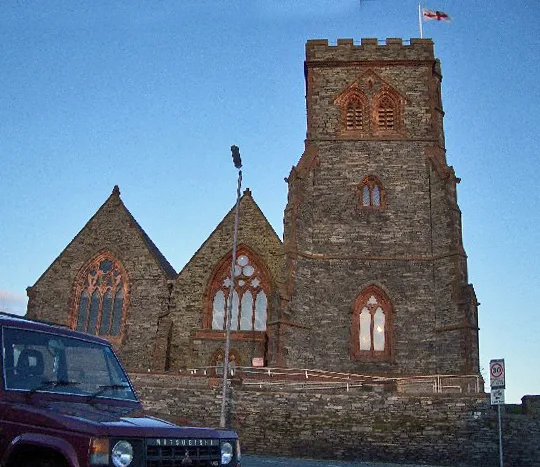
St. George's Church, Barrow-in-Furness
Historic churches · 0.4 km
Nearby
📷 3Burial mounds & barrows · North West England
Henry Schneider Statue
Henry Schneider Statue — Public artwork (statue).
📷 4Historic houses · North West England
Majestic Hotel
Majestic Hotel — a Grade II-listed historic house in england-north-west, United Kingdom.
📷 5Burial mounds & barrows · North West England
Barrow-in-Furness Higher Grade School
Barrow-in-Furness Higher Grade School — a school heritage in england-north-west, United Kingdom.
📷 5Farmers’ markets · North West England
Barrow Outdoor Market
Barrow Outdoor Market — a UK farmers' market in england north west.
📷 5Open-air theatres · North West England
The Forum
The Forum — a open-air theatre in england north west.
📷 4Historic houses · North West England
Imperial Hotel
Imperial Hotel — a Grade II-listed historic house in england-north-west, United Kingdom.
Where to eat & stay near Barrow-in-Furness
Places to stay
 📷 5
📷 5 📷 5
📷 5Caravan parks · North West England
West Shore Caravan Park
West Shore Caravan Park — a caravan park in england north west.
 📷 5
📷 5Hotels · North West England
Abbey House
Abbey House — a hotel in england north west.
 📷 5
📷 5Caravan parks · North West England
Beacon Point Caravan Park
Beacon Point Caravan Park — a caravan park in england north west.
 📷 5
📷 5Caravan parks · North West England
White Hall Caravan Park Ltd
White Hall Caravan Park Ltd — a caravan park in england north west.
 📷 5
📷 5Caravan parks · North West England
Meadowlands Caravan Park
Meadowlands Caravan Park — a caravan park in england north west.
Places to eat & drink
 📷 5
📷 5Historic pubs · North West England
The Lord Ramsden Public House
The Lord Ramsden Public House in England North West, United Kingdom.
 📷 7
📷 7 📷 5
📷 5Historic pubs · North West England
Crofters Public House
Crofters Public House in England North West, United Kingdom.
 📷 5
📷 5Historic pubs · North West England
Furness Abbey Hotel
Furness Abbey Hotel in England North West, United Kingdom.
📷 5Historic pubs · North West England
The Concle Public House
The Concle Public House in England North West, United Kingdom.
 📷 5
📷 5Historic pubs · North West England
Chappells Tavern
Chappells Tavern in England North West, United Kingdom.
More museums in this region
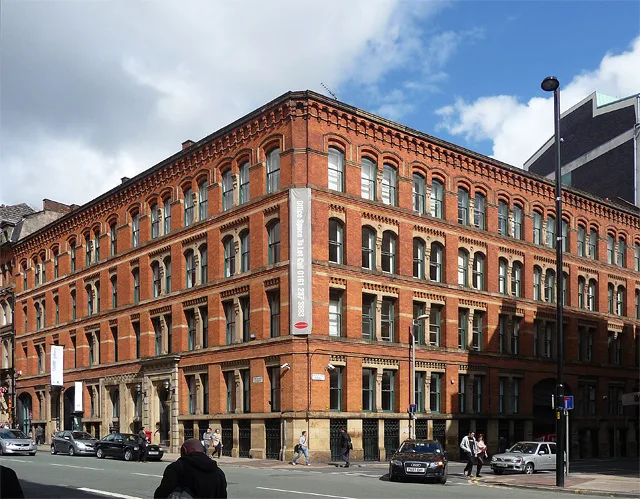 📷 3
📷 3Museums · North West England
Cube Gallery
Cube Gallery — former architecture museum in Manchester, England.
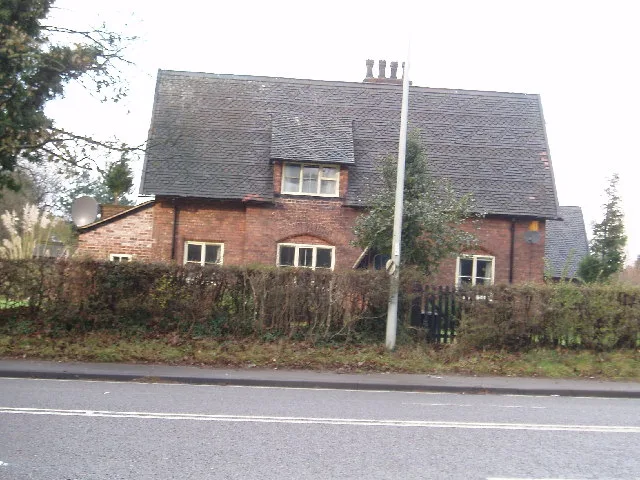 📷 3
📷 3Museums · North West England
Cuckooland Museum
Cuckooland Museum — horological museum in England, UK.
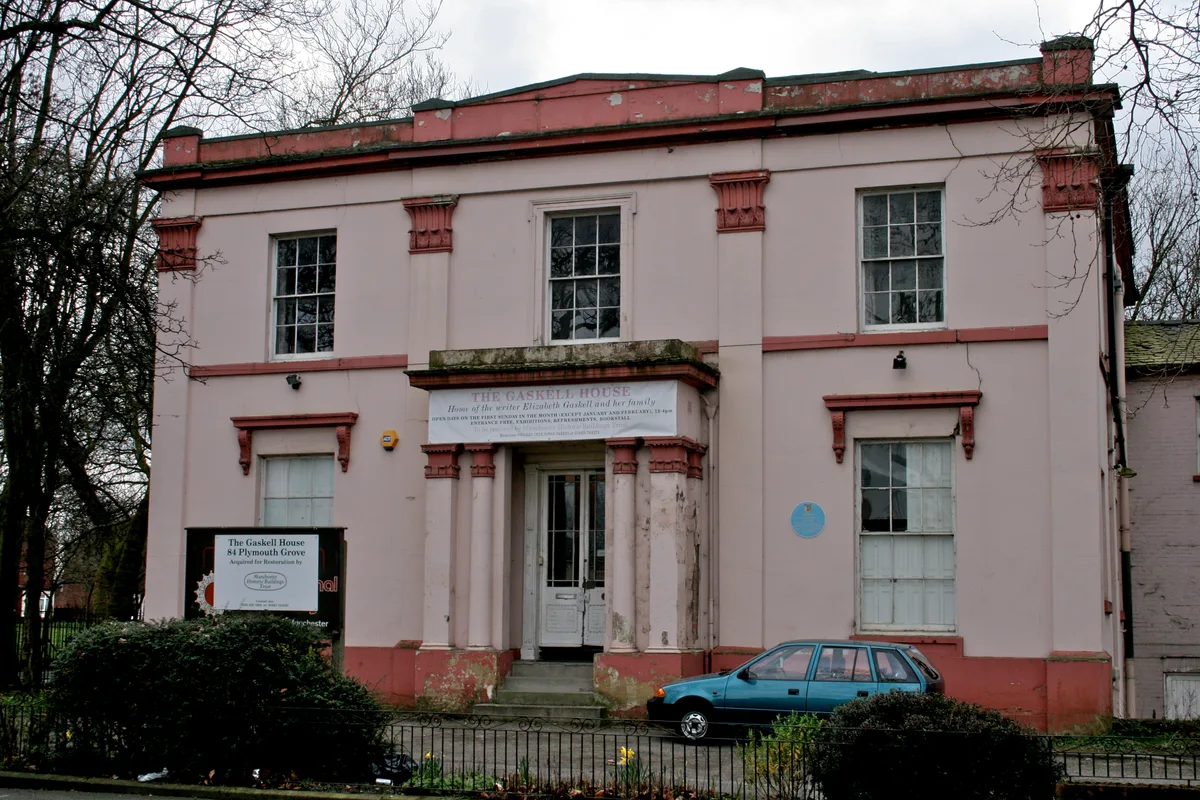 📷 4
📷 4Museums · North West England
Elizabeth Gaskell's House
Elizabeth Gaskell's House — museum in Manchester.
 📷 3
📷 3Museums · North West England
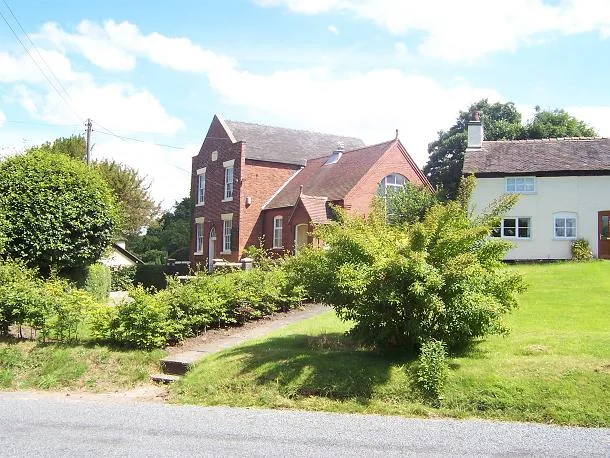
Englesea Brook Chapel and Museum of Primitive Methodism
Englesea Brook Chapel and Museum of Primitive Methodism — Primitive Methodist chapel and museum, United Kingdom.
Frequently asked questions
- Where is Barrow-in-Furness?
- Barrow-in-Furness is in North-West England, United Kingdom (postcode LA14 1LF), in the parish of Barrow.
- What is Barrow-in-Furness?
- Barrow-in-Furness, commonly known as Barrow, is an industrial port town and civil parish in Westmorland and Furness, Cumbria, England. Historically in Lancashire, Barrow is at the tip of the Furness p
- How do I get to Barrow-in-Furness?
- The nearest railway station is Barrow-in-Furness, about 0.9 km away. The nearest town is Haverigg. Drivers can use postcode LA14 1LF.
- Is Barrow-in-Furness a protected site?
- Yes — Barrow-in-Furness is part of the Duddon Estuary SSSI Site of Special Scientific Interest and the Duddon Estuary Ramsar wetland.
- Is Barrow-in-Furness free to visit?
- Yes, Barrow-in-Furness is free to enter.
- How do I get to Barrow-in-Furness?
- The nearest railway station is Barrow-in-Furness, about 0.9 km away. Drivers can navigate to postcode LA14 1LF.