
Historic houses · South East England
Barford Court
In or near Brighton and Hove.
Barford Court — house in Hove, East Sussex, England, UK.
.jpg?width=1200)
Wikimedia Commons contributors — see linked file page for photographer and licence licence
.jpg)
Plan your visit
- Typical visit
- 1 h–2 h
- Nearest railway station
- Aldrington · 1.1 km
- Free entry
- Family-friendly
- Limited wheelchair access
Getting there & planning your visit
To visit Barford Court, the nearest railway station is Aldrington, located 1.1 km away. The postcode for sat-nav is BN3 4GR. Accessibility is limited for wheelchair users.
About
Barford Court is a historic house in the United Kingdom — typically a country seat, manor, or town house with notable architecture or history. Built in the Georgian architecture style. Heritage designation: Grade II listed building. Wikidata describes it as: "house in Hove, East Sussex, England, UK". Coordinates: 50.8264°, -0.1827°.
Photo gallery
Summary from the official site
Barford Court is associated with the BHHC and features stained glass windows that reflect various symbols significant to the Jewish community. Visitors can explore the history and heritage of the synagogue and its artistic elements.
Read more on the official property page.
From the Wikipedia article
Barford Court is a care home operated by the Royal Masonic Benevolent Institution and situated on the seafront in Hove, part of the English city of Brighton and Hove. The building, completed in 1937, has had this function only since 1996; it was constructed by cinema architect Robert Cromie as a private house for Ian Stuart Millar, an eccentric iron industry tycoon, who occupied it for only nine years. The large building later accommodated the Brighton and Hove School of Nursing, which for the first time brought together training provision for all local hospitals' staff on one site. When the school moved away in 1989, the house spent several years on the market awaiting a buyer—and in steadily deteriorating structural condition—before being refurbished, extended, renamed and converted to its present use. The building is distinctive and idiosyncratic in its layout, positioning, materials and architectural style. Many interior touches are reminiscent of interwar Art Deco cinema architecture, contrasting with the "austere" Neo-Georgian exterior. Handmade, specially commissioned bricks in an unusual purplish grey colour were used to build the house, which is surrounded by a high wall of the same material. The layout was designed to accommodate the motor-car at a time when they were uncommon, with garaging space integrated into the design of the ground floor. Several design motifs recur throughout, and high-quality internal fittings such as built-in furniture and an unusual staircase have been preserved. English Heritage has listed the building at Grade II for its architectural and historical importance. The surrounding wall is also listed separately at Grade II.
Excerpt from Wikipedia under CC BY-SA 4.0. See the source article linked in Sources below.
Background
History
Hove originated as an agricultural hamlet on the English Channel coast west of the more important settlement of Brighton. It was surrounded by farmland used for grazing sheep. In response to Brighton's rapid 18th- and 19th-century growth into one of England's largest and most popular seaside resorts, Hove (whose population in 1825 was only 300, compared to more than 25,000 in Brighton) developed into a genteel, characterful residential town with spacious streets of large houses. The streets around Pembroke Crescent and Prince's Crescent, just north of the seafront, were typical examples: developed in the 1890s by prolific local architects Lainson & Sons and Clayton & Black in the Domestic…
Architecture
Robert Cromie was Britain's foremost cinema and theatre architect, and his design for Ian Stuart Millar's house (variously described as "interesting", "sophisticated" and "curious") was influenced by his work on such buildings. In particular, the interior—whose elaborate flourishes and modern features contrast with the "austere" Neo-Georgian exterior—has much in common with the Art Deco style in which he usually worked. The outside walls are built of thin handmade bricks imported from Italy, supported on a base of granite. They are laid in the Flemish bond pattern and are greyish-purple in colour. The hipped roof is laid with handmade tiles. The building was originally U-shaped with an open…
Sourced from Wikipedia under CC BY-SA 4.0.
- Coordinates
- 50.8264, -0.1827
- District
- Brighton and Hove
- Parish
- Brighton and Hove, unparished area
- Postcode
- BN3 4GR
- Parliamentary constituency
- Hove and Portslade
- Established
- 1934
- Nearest railway station
- Aldrington — 1.1 km
- Official site
- www.bhhc-shul.org
Sources
- wikidata: Q4860512 (CC0)
- wikipedia: Barford Court, Hove (CC BY-SA 4.0)
- commons: Barford Court, Princes Crescent, Hove (IoE Code 365555).jpg (CC BY-SA 4.0)
Other places nearby

Ex Oriente Lux
Memorials & monuments · 0.3 km
Brighton and Hove Hebrew Congregation
Historic churches · 0.4 km
Hove Museum of Creativity
Museums · 0.4 km
Hove Museum
Museums · 0.4 km
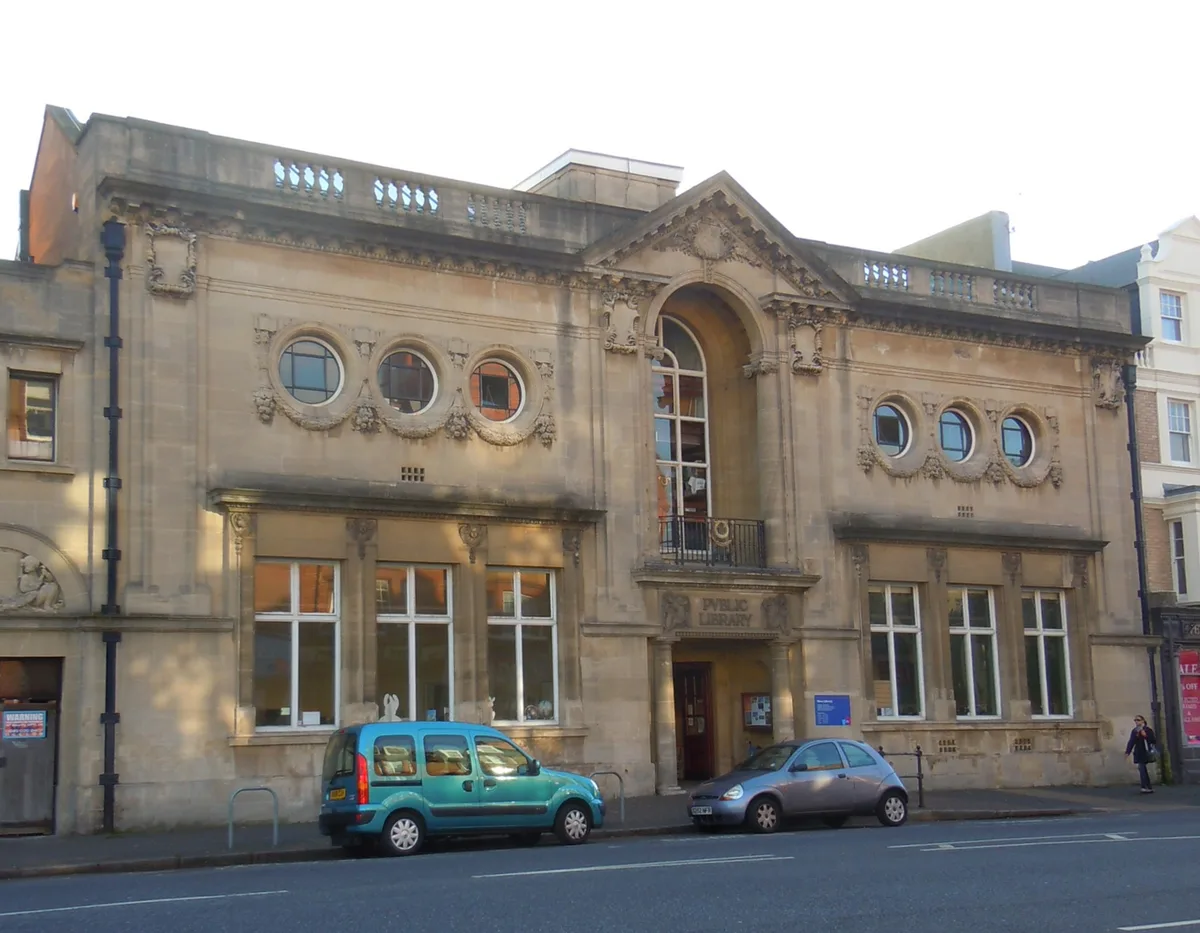
Hove Public Library
Historic libraries · 0.4 km

Charles Stewart Parnell
Memorials & monuments · 0.5 km
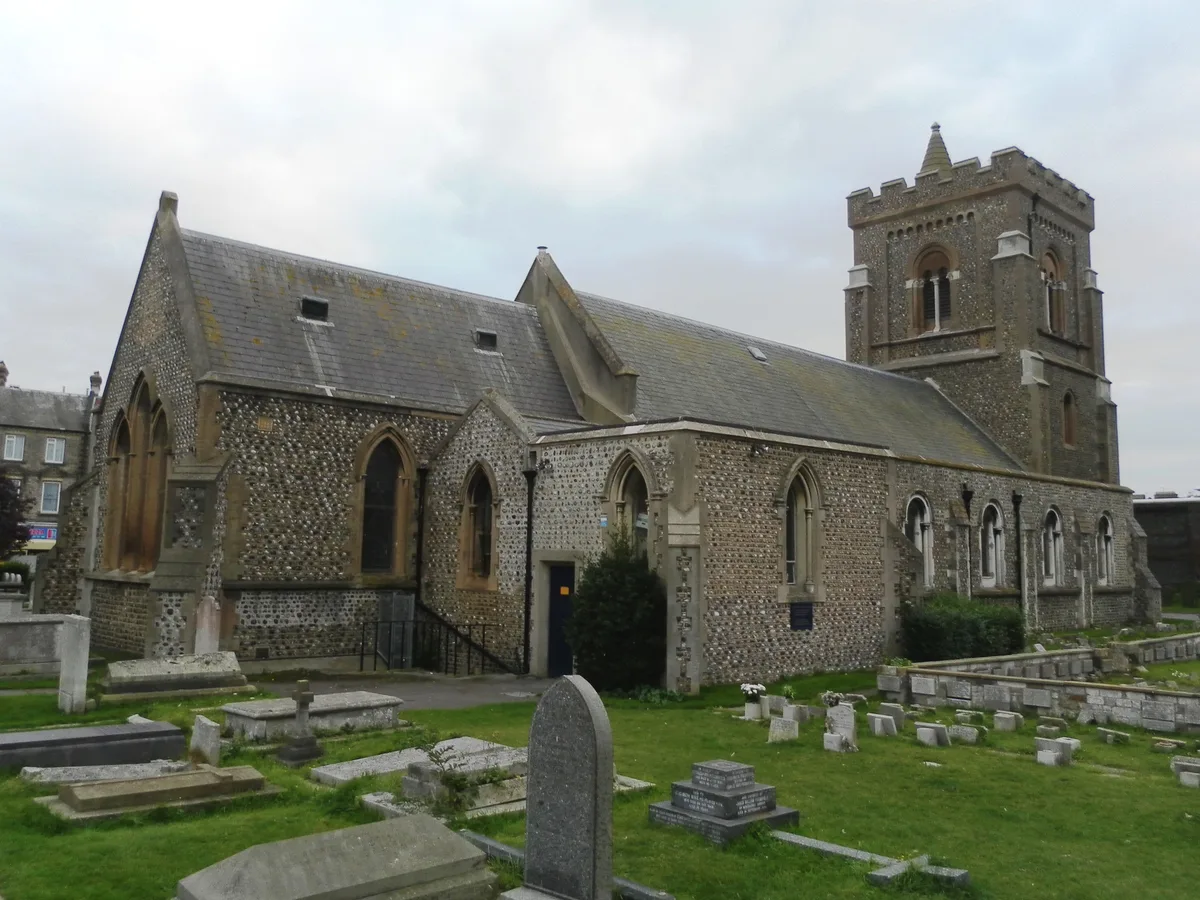
St Andrew's Church, Church Road, Hove
Historic churches · 0.6 km

St. Andrew's
Cemeteries · 0.6 km

Elizabeth Allan
Memorials & monuments · 0.6 km

E. Cecil Curwen
Memorials & monuments · 0.6 km
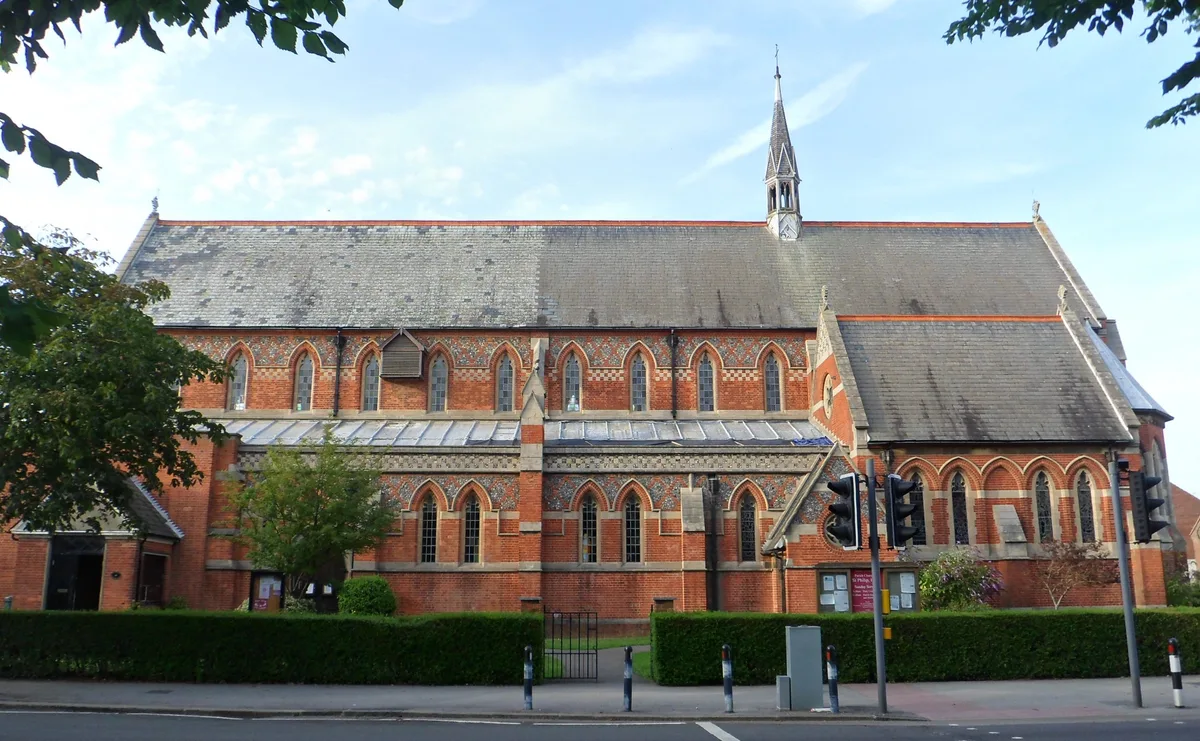
St Philip's Church, Hove
Historic churches · 0.6 km

Courtenay Terrace Courtenay Towers And South East Wall
Memorials & monuments · 0.7 km
Nearby
📷 5Memorials & monuments · South East England
Ex Oriente Lux
Ex Oriente Lux — a memorial in england-south-east, United Kingdom.
📷 5Historic churches · South East England
Brighton and Hove Hebrew Congregation
Brighton and Hove Hebrew Congregation — a church in england-south-east, United Kingdom.
📷 5Museums · South East England
Hove Museum of Creativity
Hove Museum of Creativity — a other in england-south-east, United Kingdom.
📷 5Museums · South East England
Hove Museum
Hove Museum — a museum in england-south-east, United Kingdom.
📷 5Historic libraries · South East England
Hove Public Library
Hove Public Library — public library in Hove, West Sussex, England, UK.
📷 5Memorials & monuments · South East England
Charles Stewart Parnell
Charles Stewart Parnell — a memorial in england-south-east, United Kingdom.
Where to eat & stay near Barford Court
Places to stay
 📷 5
📷 5Hotels · South East England
The Courtlands
The Courtlands — a hotel in england south east.
 📷 5
📷 5B&Bs · South East England
The Claremont
The Claremont — a bed-and-breakfast in england south east.
 📷 5
📷 5Hostels · South East England
Seadragons Backpackers
Seadragons Backpackers — a hostel in england south east.
 📷 5
📷 5 📷 7📷 7
Hotels · South East England
Selina Brighton
Selina Brighton — a hotel in england south east.
Places to eat & drink
 📷 5
📷 5Historic pubs · South East England
Freemasons Tavern
Freemasons Tavern in England South East, United Kingdom.
 📷 7
📷 7 📷 6
📷 6Historic pubs · South East England
Sussex Arms Public House
Sussex Arms Public House in England South East, United Kingdom.
.jpg?width=1200) 📷 5
📷 5Historic pubs · South East England
Hangleton Manor
Hangleton Manor — Historic pub — listed building or notable heritage status.
 📷 5
📷 5Historic pubs · South East England
Kissing Coppers
Kissing Coppers — Public artwork (graffiti) by Banksy.
 📷 5
📷 5More historic houses in this region
 📷 5
📷 5Historic houses · South East England
12 and 14 High Street, Rochester
12 and 14 High Street, Rochester — building in Rochester, Kent, England, UK.
 📷 5
📷 5Historic houses · South East England
Berkeley House
Berkeley House — house in Rochester, Kent, England, UK.
.jpg?width=1200) 📷 5
📷 5Historic houses · South East England
Betchworth House
Betchworth House — house in Betchworth, Mole Valley, England, UK.
 📷 5
📷 5Historic houses · South East England
Bookham Grove
Bookham Grove — building in Mole Valley, Surrey, England, UK.
Frequently asked questions
- Where is Barford Court?
- Barford Court is in South-East England, United Kingdom (postcode BN3 4GR), in the parish of Brighton and Hove, unparished area.
- What is Barford Court?
- Barford Court — house in Hove, East Sussex, England, UK.
- How do I get to Barford Court?
- The nearest railway station is Aldrington, about 1.1 km away. The nearest town is Brighton and Hove. Drivers can use postcode BN3 4GR.
- When was Barford Court built?
- Built or established in 1934.
- Is Barford Court a listed building?
- Barford Court is officially recognised as Grade II listed building listed.
- Is Barford Court free to visit?
- Yes, Barford Court is free to enter.
- How do I get to Barford Court?
- The nearest railway station is Aldrington, about 1.1 km away. Drivers can navigate to postcode BN3 4GR.