
Castles · Central Scotland
Aberdour Castle
In or near Auchtertool.
Aberdour Castle — castle in Fife, Scotland, UK.

Wikimedia Commons contributors — see linked file page for photographer and licence licence

Plan your visit
- Typical visit
- 1.5 h–3 h
- Nearest railway station
- Aberdour · 0.2 km
- Family-friendly
- Limited wheelchair access
Getting there & planning your visit
To visit Aberdour Castle, the nearest railway station is Aberdour, located just 0.2 km away. The postcode for sat-nav is KY3 0SL. Accessibility is limited for wheelchair users.
About
Aberdour Castle is a castle in the United Kingdom — fortified architecture from the medieval, Tudor, or Victorian-revival period. Records date its origin to 1200. Heritage designation: scheduled monument. Wikidata describes it as: "castle in Fife, Scotland, UK". Coordinates: 56.0552°, -3.2983°.
Photo gallery
See it from the streetimagery from 2019
Imagery © Mapillary contributors, CC BY-SA 4.0
Heritage listing
Aberdour Castle is in the village of Easter Aberdour, Fife, Scotland. Parts of the castle date from around 1200, making Aberdour one of the two oldest datable standing castles in Scotland, along with Castle Sween in Argyll, which was built at around the same time. The earliest part of the castle was a modest hall house, on a site overlooking the Dour Burn. Over the next 400 years, the castle was successively expanded according to contemporary architectural ideas. The hall house became a tower house in the 15th century, and was extended twice in the 16th century. The final addition was made around 1635, with refined Renaissance details, and the whole was complemented by a walled garden to the east and terraced gardens to the south.
From Historic Environment Scotland under OGL v3.
Official information
Aberdour Castle, built in the 1100s, has served as a residence for notable Scottish families and showcases how a medieval castle evolved over time. Visitors can explore the castle's ruins, roofed buildings, and enjoy its beautiful gardens, terraces, and orchard.
From the Wikipedia article
Aberdour Castle is in the village of Easter Aberdour, Fife, Scotland. Parts of the castle date from around 1200, making Aberdour one of the two oldest datable standing castles in Scotland, along with Castle Sween in Argyll, which was built at around the same time. The earliest part of the castle was a modest hall house, on a site overlooking the Dour Burn. Over the next 400 years, the castle was successively expanded according to contemporary architectural ideas. The hall house became a tower house in the 15th century, and was extended twice in the 16th century. The final addition was made around 1635, with refined Renaissance details, and the whole was complemented by a walled garden to the east and terraced gardens to the south. The terraces, dating from the mid-16th century, form one of the oldest gardens in Scotland, and offer extensive views across the Firth of Forth to Edinburgh. The castle is largely the creation of the Douglas Earls of Morton, who held Aberdour from the 14th century. The earls used Aberdour as a second home until 1642, when their primary residence, Dalkeith House, was sold. A fire in the late 17th century was followed by some repairs, but in 1725 the family purchased nearby Aberdour House, and the medieval castle was allowed to fall into decay. Today, only the 17th-century wing remains roofed, while the tower has mostly collapsed. Aberdour Castle is now in the care of Historic Environment Scotland, and is open to the public all year.
Excerpt from Wikipedia under CC BY-SA 4.0. See the source article linked in Sources below.
Background
History
The barony of Aberdour was acquired in 1126, by Sir Alan de Mortimer, on his marriage to Anicea, daughter of Sir John de Vipont. Sir Alan built St Fillan's Church, which still stands, next to the castle, in around 1140, and his family probably built the original hall house in around 1200, or possibly even earlier. In 1216, another Alan de Mortimer is recorded granting land to the monks of Inchcolm Abbey. In 1386 Aberdour and Dalkeith were combined to form a single barony, with the principal seat at Dalkeith, near Edinburgh, and Aberdour as a secondary residence. The second earl carried out extensions to Aberdour Castle around 1500, building a new stair tower and south block.
Description
The castle originally comprised the 12th- or 13th-century hall house, which was extended in the 15th century. In the 16th century the central range was built to the south of the tower house, and new inner and outer courtyard walls were constructed. To the west, the inner courtyard wall remains, enclosing the former service courtyard, which comprises a brewery and bakehouse, with ovens. The east range was added in the 17th century, along the south edge of the outer courtyard. The castle was originally approached from the north, with the entrance moved to the west, along with the 17th-century gate, when the Aberdour railway line was constructed in 1890.
Sourced from Wikipedia under CC BY-SA 4.0.
- Coordinates
- 56.0552, -3.2983
- District
- Fife
- Postcode
- KY3 0SL
- Parliamentary constituency
- Cowdenbeath and Kirkcaldy
- Established
- 1200
- Nearest railway station
- Aberdour — 0.2 km
- Opening
- Apr-Sep Mo-Su 09:30-17:30, Oct-Mar Sa-We 10:00-16:00
- Official site
- www.historicenvironment.scot
Sources
- wikidata: Q2145629 (CC0)
- wikipedia: Aberdour Castle (CC BY-SA 4.0)
- commons: Aberdour Castle from dovecote.jpg (CC BY-SA 4.0)
Other places nearby
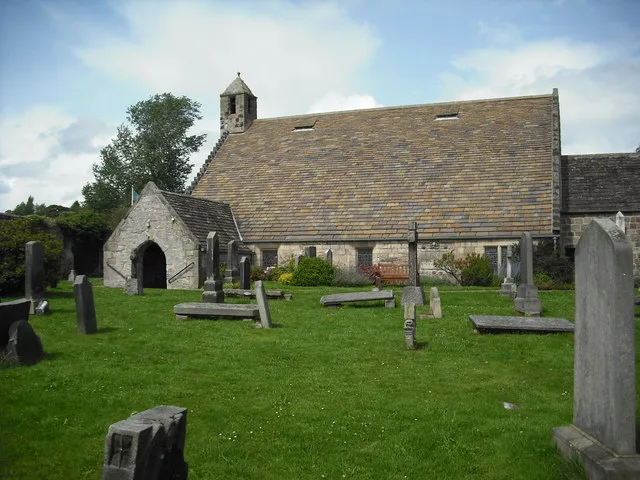
St Fillan's Church, Aberdour
Historic churches · 0.1 km

Aberdour in Bloom
Public art & sculpture · 0.2 km

Aberdour railway station
Heritage railway stations · 0.2 km

Aberdour Heritage Centre
Museums · 0.2 km
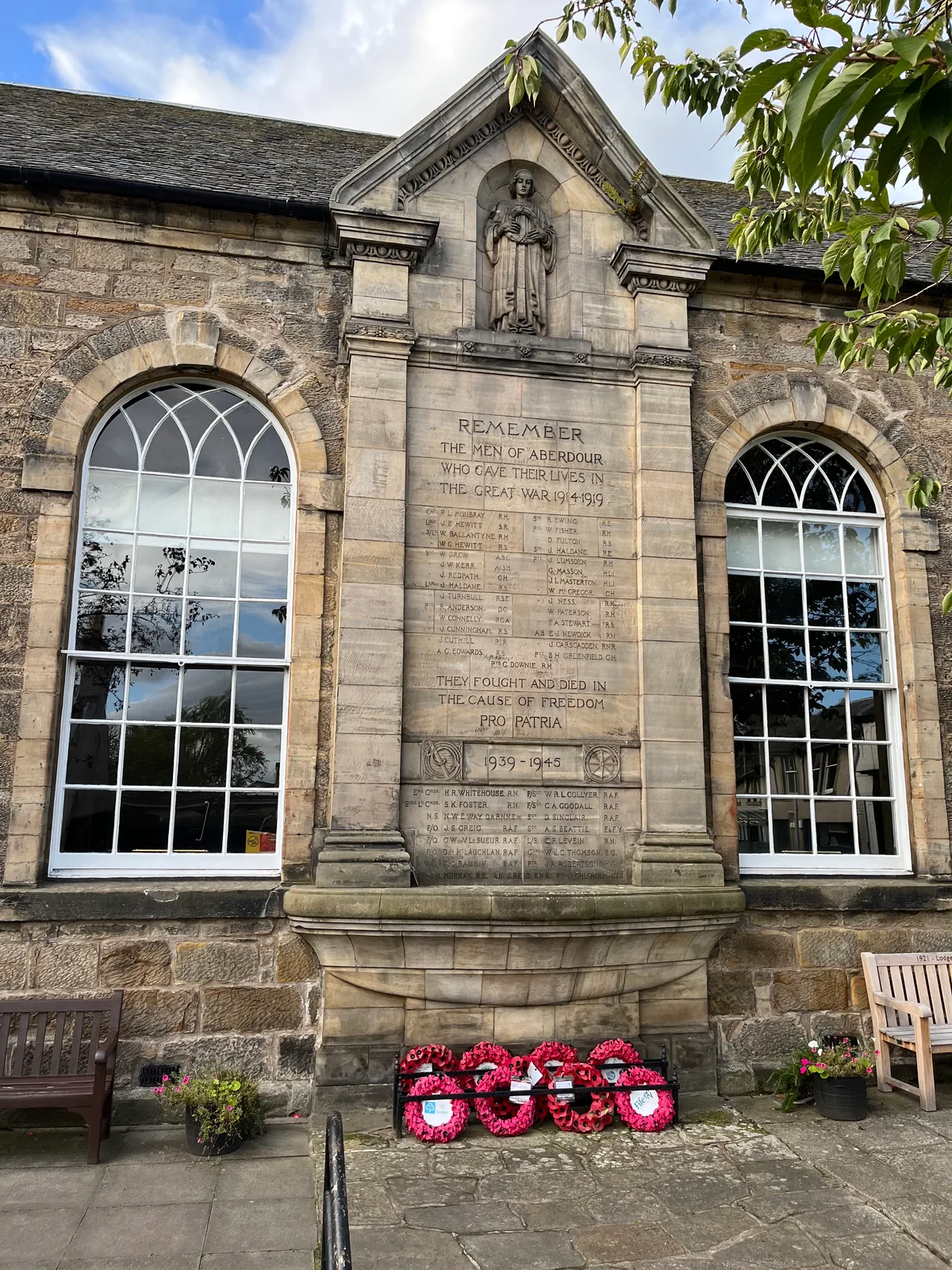
West Parish Church and War Memorial, 28-30 High Street, Aberdour
Abbeys & priories · 0.3 km

Lieutenant Colonel G C T Keyes Memorial
Memorials & monuments · 0.3 km

Obelisk, Aberdour House
Forts · 0.3 km
Aberdour
Abbeys & priories · 0.4 km

Aberdour Harbour
Harbours & ports · 0.4 km

Black Sands
Beaches · 0.5 km

St Columba's Church, Inverkeithing Road, Aberdour
Historic churches · 0.7 km

Captain Cyril Percy Ryan
Memorials & monuments · 0.7 km
Nearby
📷 3Historic churches · Central Scotland
St Fillan's Church, Aberdour
St Fillan's Church, Aberdour — church in Aberdour, Fife, Scotland, UK.
📷 3Public art & sculpture · Central Scotland
Aberdour in Bloom
Aberdour in Bloom — a public art in scotland-central, United Kingdom.
📷 4Heritage railway stations · Central Scotland
Aberdour railway station
Aberdour railway station in Scotland Islands, United Kingdom.
📷 3Museums · Central Scotland
Aberdour Heritage Centre
Aberdour Heritage Centre — a museum in scotland-central, United Kingdom.
★ Iconic📷 3Abbeys & priories · Central Scotland
West Parish Church and War Memorial, 28-30 High Street, Aberdour
West Parish Church and War Memorial, 28-30 High Street, Aberdour — parish church in Fife, Scotland, UK.
📷 3Memorials & monuments · Central Scotland
Lieutenant Colonel G C T Keyes Memorial
Lieutenant Colonel G C T Keyes Memorial — a memorial in scotland-central, United Kingdom.
Where to eat & stay near Aberdour Castle
Places to stay
 📷 5
📷 5B&Bs · Central Scotland
Links Guest House
Links Guest House — a bed-and-breakfast in scotland central.
 📷 5
📷 5 📷 5
📷 5Campsites · Central Scotland
Green Oak Nature Retreat
Green Oak Nature Retreat — a campsite in scotland central.
 📷 5
📷 5Caravan parks · Central Scotland
Pettycur Bay Holiday Park
Pettycur Bay Holiday Park — a caravan park in scotland central.
 📷 5
📷 5Caravan parks · Central Scotland
Sandhills Caravan Park
Sandhills Caravan Park — a caravan park in scotland central.
 📷 5
📷 5Places to eat & drink
 📷 5
📷 5Historic pubs · Central Scotland
The Star Tavern, 71-73 High Street, Burntisland
The Star Tavern, 71-73 High Street, Burntisland in Scotland Central, United Kingdom.
 📷 6
📷 6Historic pubs · Central Scotland
The Burgh Arms
The Burgh Arms in Scotland Islands, United Kingdom.
 📷 7
📷 7Historic pubs · Central Scotland
Granton Tavern, 160 Lower Granton Road, Edinburgh
Granton Tavern, 160 Lower Granton Road, Edinburgh in Scotland Central, United Kingdom.
 📷 6
📷 6Historic pubs · Central Scotland
Starbank Arms, 62-64 Laverockbank Road, Edinburgh
Starbank Arms, 62-64 Laverockbank Road, Edinburgh in Scotland Central, United Kingdom.
 📷 5
📷 5Historic pubs · Central Scotland
The Robert Nairn
The Robert Nairn in Scotland Central, United Kingdom.
 📷 7
📷 7Historic pubs · Central Scotland
The Royal Scot, 395-399 High Street, Kirkcaldy
The Royal Scot, 395-399 High Street, Kirkcaldy in Scotland Central, United Kingdom.
Other castles from this era
 📷 5
📷 5Castles · South East England
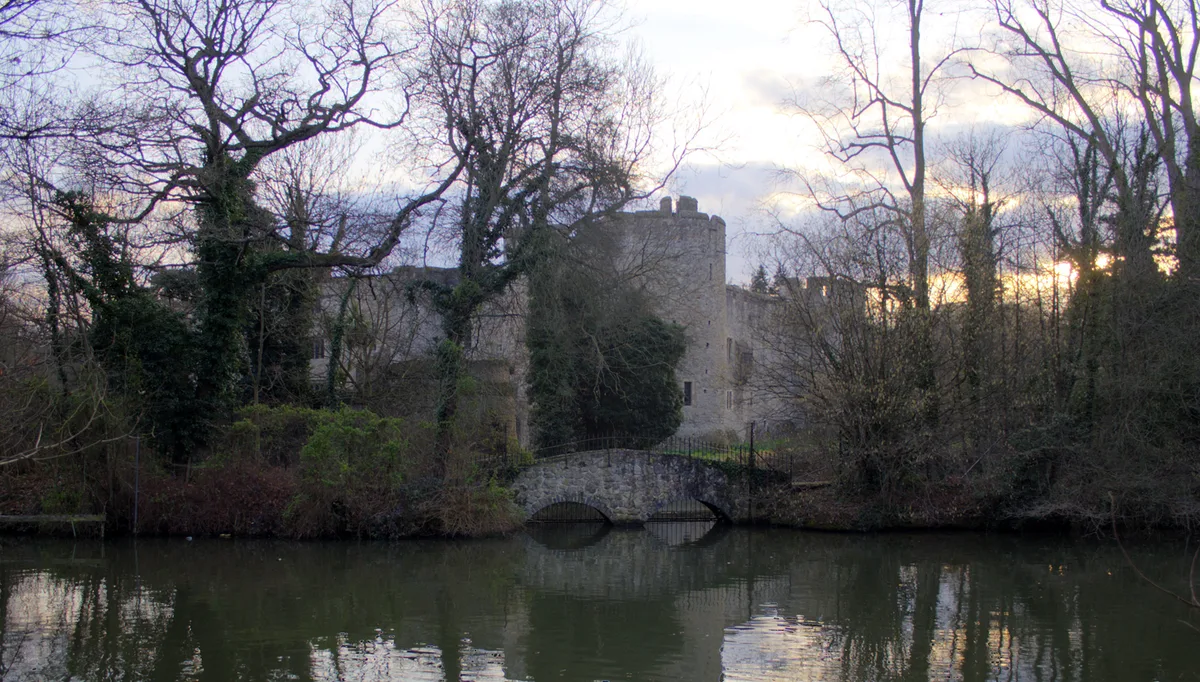
Allington Castle
Allington Castle — stone-built moated castle in Allington, England.
 📷 5
📷 5Castles · South East England
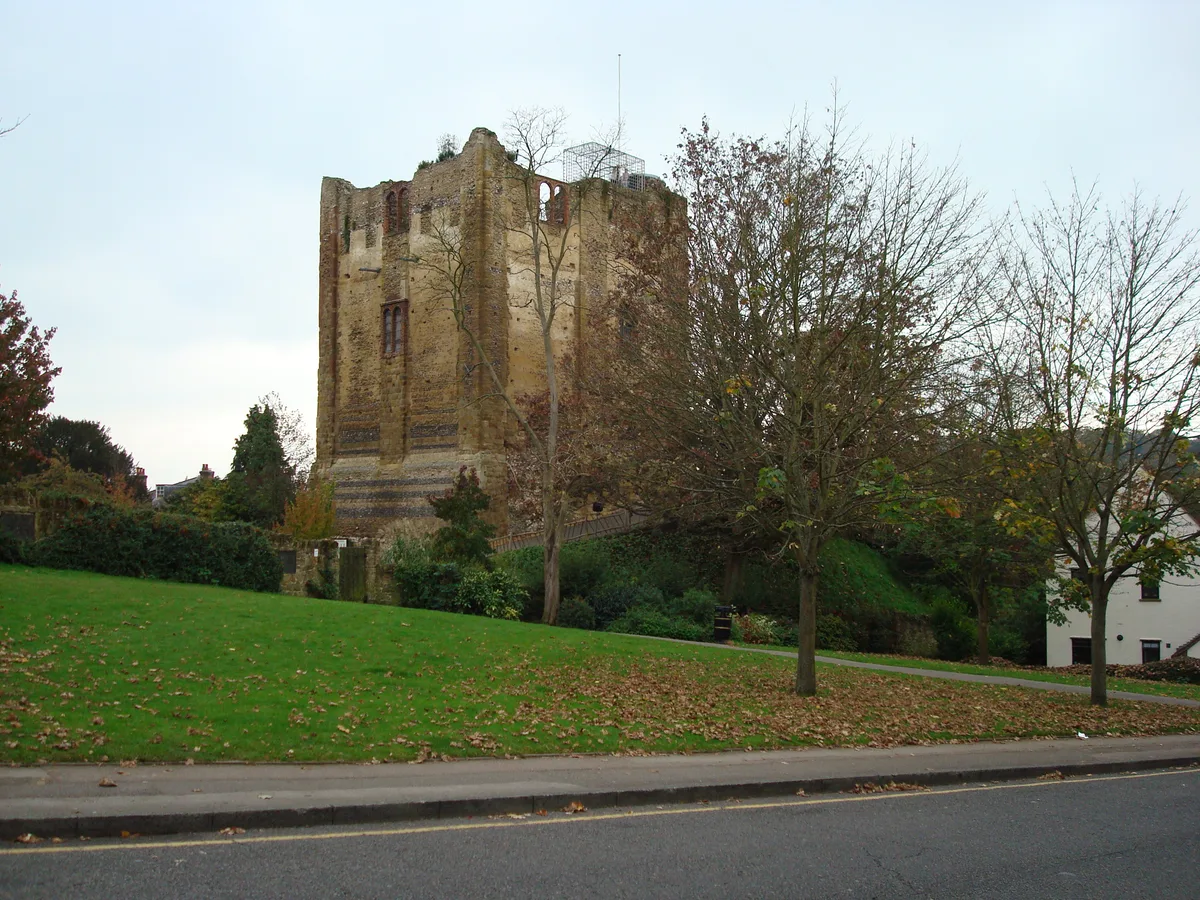
Guildford Castle
Guildford Castle — castle in Guildford, Surrey, England, UK.
 📷 5
📷 5Castles · South East England
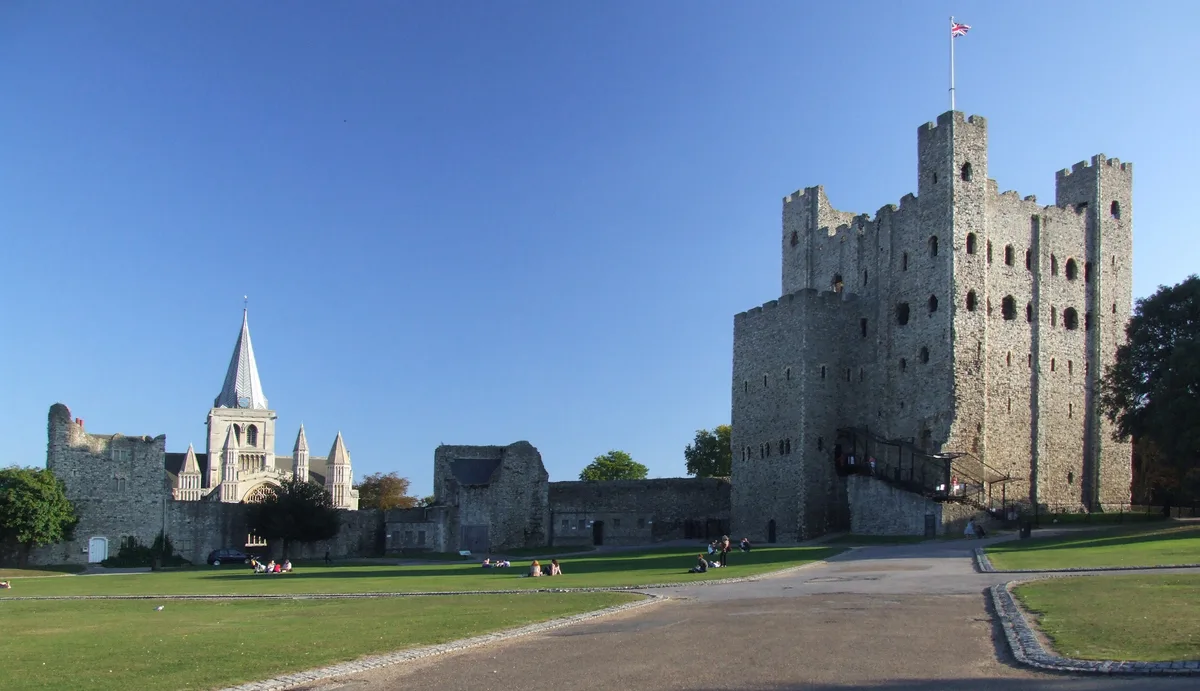
Rochester Castle
Rochester Castle — castle in Rochester, Kent, South East England.
 📷 5
📷 5Castles · South East England
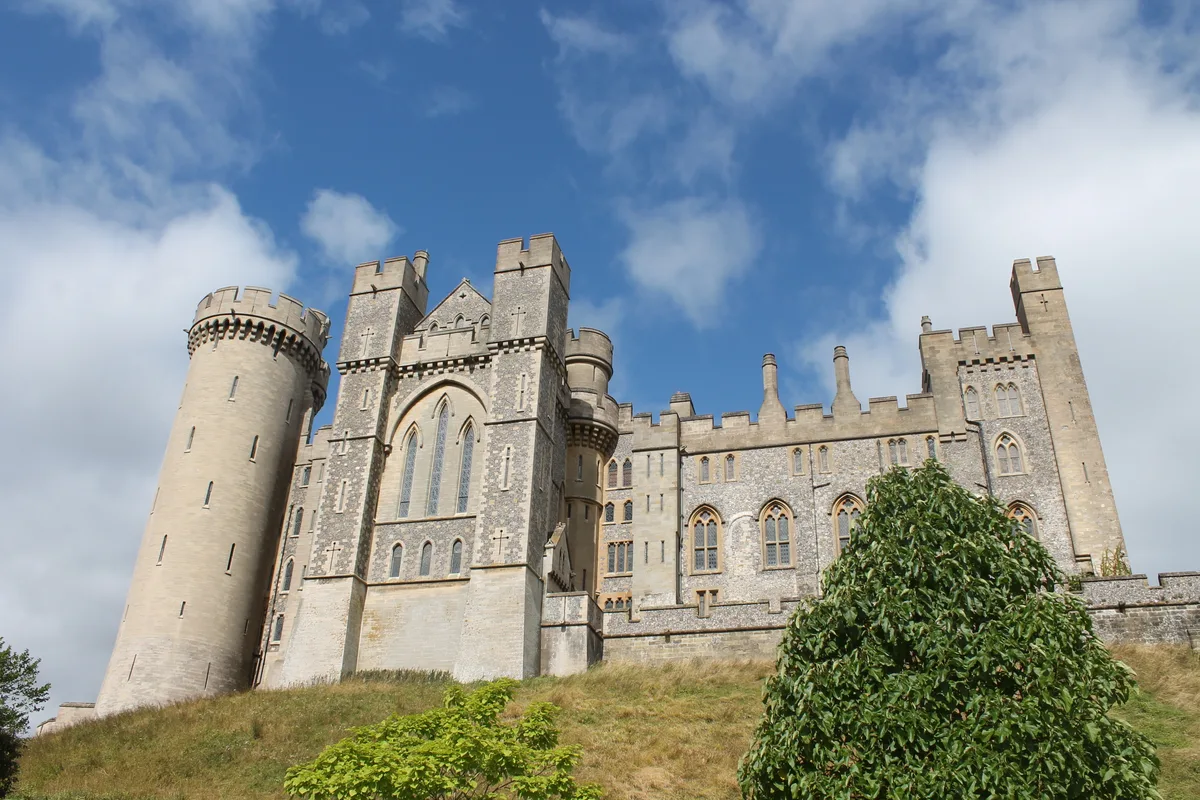
Arundel Castle
Arundel Castle — castle in West Sussex, England, UK.
More castles in this region
 📷 3
📷 3 📷 5
📷 5 📷 4
📷 4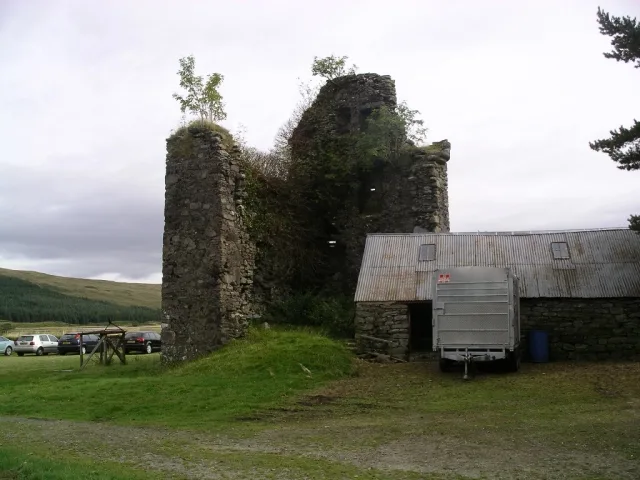 📷 3
📷 3Castles · Central Scotland
Achallader Castle
Achallader Castle — castle in Argyll and Bute, Scotland, UK.
Frequently asked questions
- Where is Aberdour Castle?
- Aberdour Castle is in central Scotland, United Kingdom (postcode KY3 0SL).
- What is Aberdour Castle?
- Aberdour Castle — castle in Fife, Scotland, UK.
- How do I get to Aberdour Castle?
- The nearest railway station is Aberdour, about 0.2 km away. The nearest town is Auchtertool. Drivers can use postcode KY3 0SL.
- When was Aberdour Castle built?
- Built or established in 1200.
- Who owns Aberdour Castle?
- Aberdour Castle is owned by Historic Environment Scotland.
- Is Aberdour Castle a listed building?
- Aberdour Castle is officially recognised as scheduled monument listed.
- Does Aberdour Castle charge admission?
- Aberdour Castle typically charges admission. Check the official site for current ticket prices and opening hours.
- How do I get to Aberdour Castle?
- The nearest railway station is Aberdour, about 0.2 km away. Drivers can navigate to postcode KY3 0SL.